Last Updated on January 5, 2026
Exploring a Historic Castle
We headed to a resort hotel in central Okinawa to enjoy another warm winter getaway. Even after finishing lunch, we had some time before check-in, so we decided to explore a historic castle, known as a gusuku, in Okinawa.
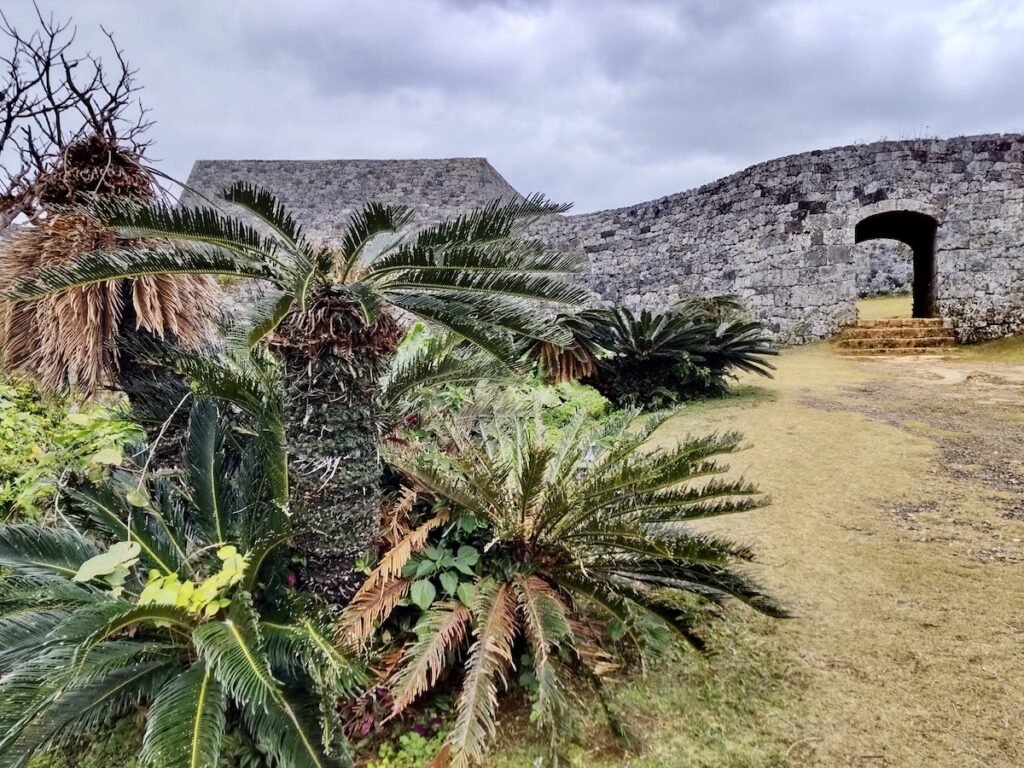
In Part 1, I mentioned that Okinawa was once under American rule. But if you go back even further, in the late 19th century, Okinawa was actually its own country, known as the Ryukyu Kingdom. The gusuku we visited was built during that period, and its stone walls still stand today. UNESCO now lists it as part of the “Gusuku Sites and Related Properties of the Kingdom of Ryukyu.”
The top image shows the stone walls, which are built from Ryukyu limestone, formed from layers of coral and shells. If you look closely, the texture closely resembles coral. As you can see, it was a cloudy day, but the magnificent stone walls still felt solemn and powerful. If the weather isn’t great, exploring castles like this can be a wonderful choice.
 Zakimi Castle
 Zakimi Castle
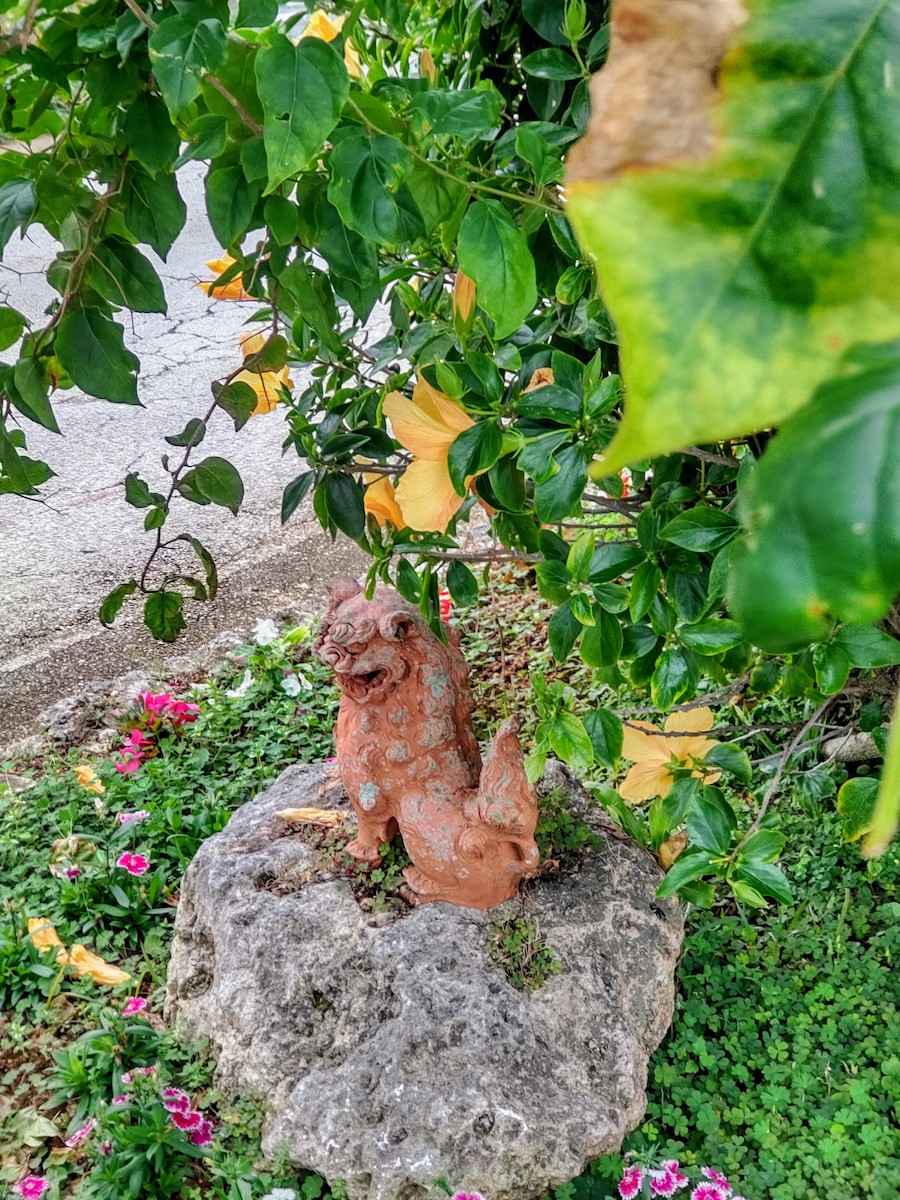
Nowadays, the site is nicely maintained for visitors, and welcoming shisa statues greet you at the entrance. These statues, used to protect homes from evil spirits, are still usually sit on rooftops or gates in Okinawa, and local artisans often craft them in pottery workshops.
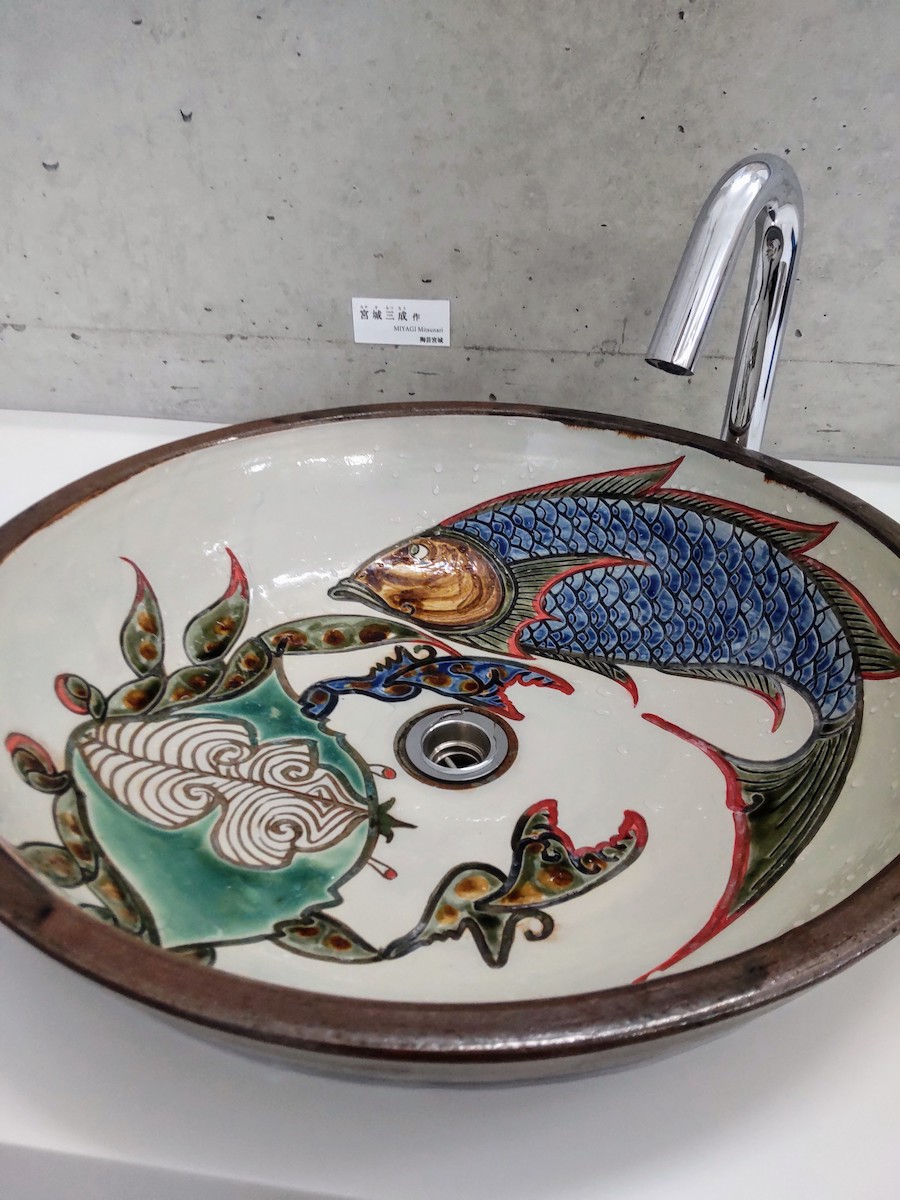
While gusuku can be found throughout Okinawa, Yomitan Village, where Zakimi Castle is located, is also well known today for its pottery workshops. The washbasin in the castle park was made of yachimun, traditional Okinawan pottery, and I admired its bold lines and vibrant colors.
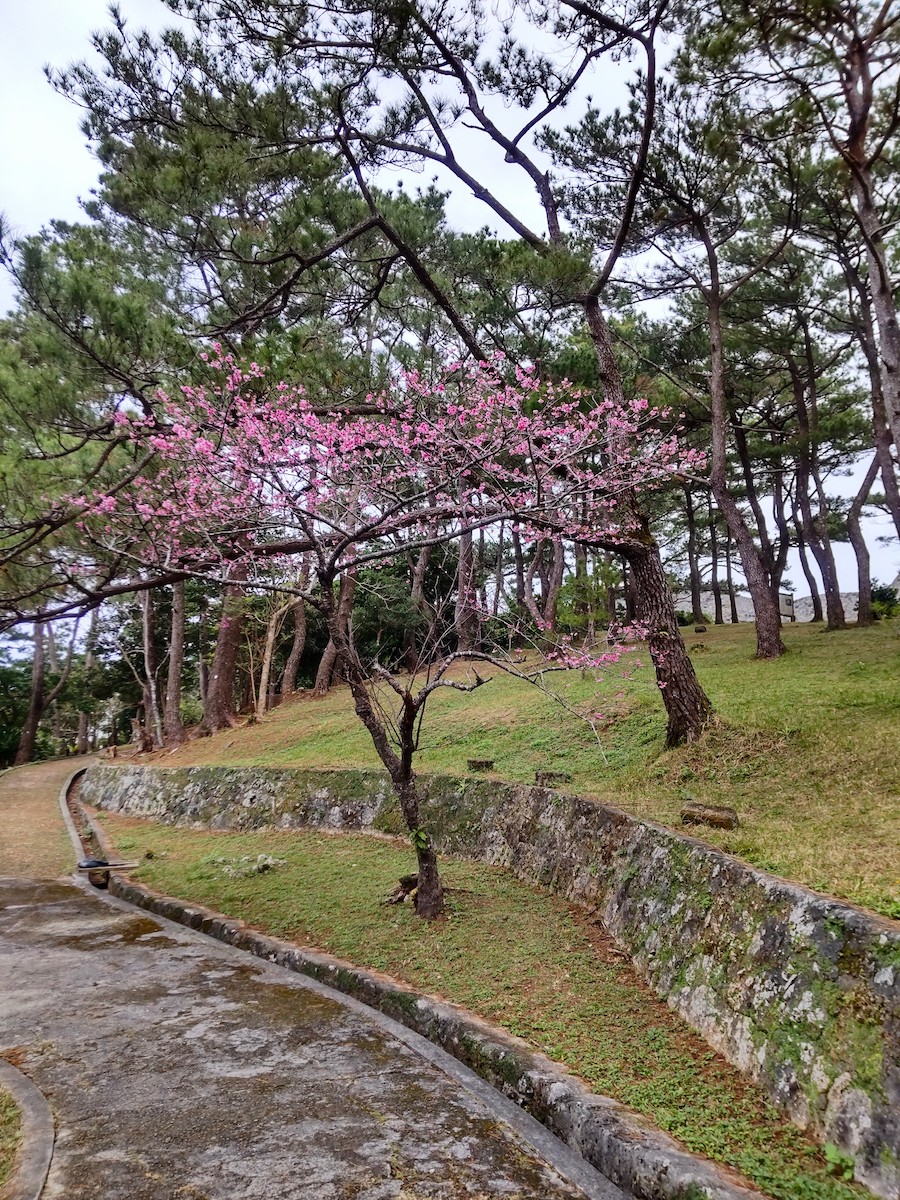
In winter, Okinawa is also known for its early-blooming kanhizakura cherry blossoms. Unlike the pale pink somei-yoshino cherry trees on mainland Japan, these blossoms are a deep pink that stand out beautifully against stone walls and Ryukyu pines.Although the kanhizakura season was nearly over, a few cherry trees still brought us joy.
It was time to check in, so we headed to our hotel. Today, we would be staying at the Grand Mercure Okinawa Zanpa Misaki Resort. The hotel is a renovated version of an older property, and when we visited, the outdoor pool was still under construction. Come summer, guests will definitely have a blast here.
An Evening of Teppanyaki
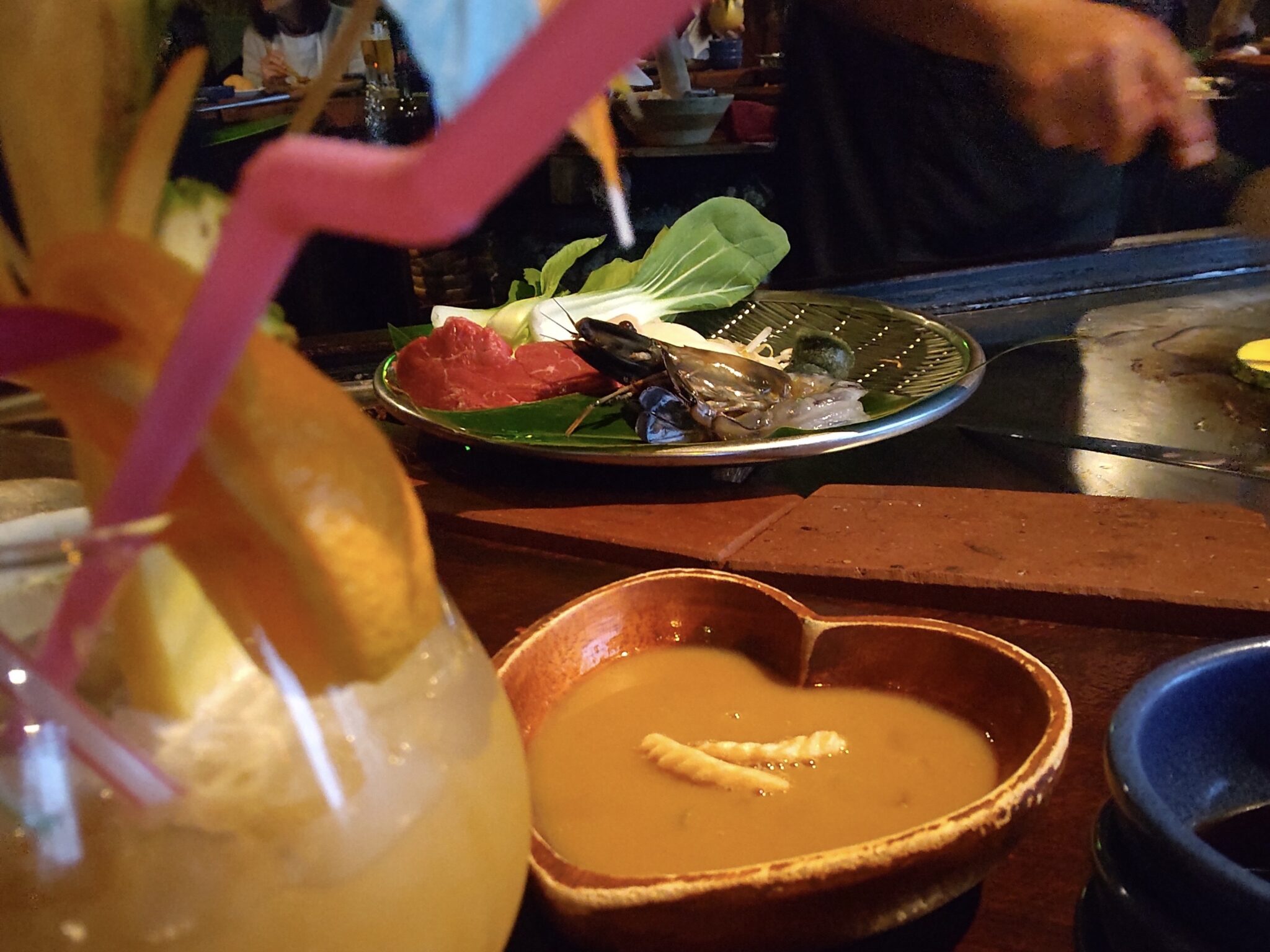
We relaxed in our new room until it was time for dinner. That evening, we had a reservation at a fun restaurant, Steakhouse JAM. Okinawa has plenty of steakhouses, but this one is decorated with a full-on ocean theme, making it an exciting and fun place to visit.
Since I can’t tolerate alcohol, I ordered a non-alcoholic cocktail. Even without alcohol, they offer drinks like this, letting you enjoy the tropical vibes—absolutely satisfying!
At this restaurant, desserts are served in a separate, cozy area, which is a great system for both the restaurant and the guests.
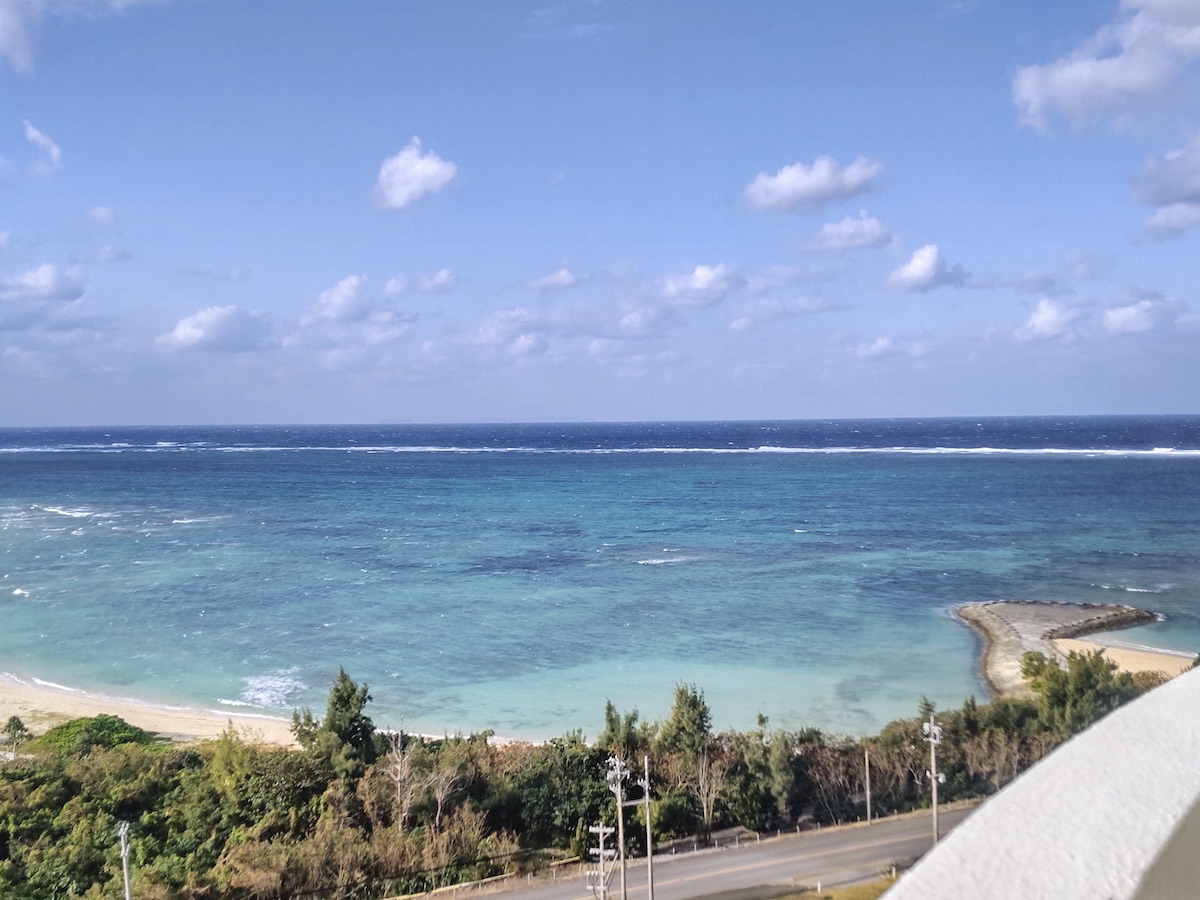
Ocean View from Hotel Room
The next morning, the weather cleared up a bit, allowing us to enjoy the beautiful ocean view. The colors were different from summer, and it was absolutely mesmerizing. Okinawa isn’t scorching all year. In February, it’s pleasantly cool, with temperatures around 17°C (63°F). Still, it’s far warmer than Tokyo, which is why we often come here in winter.
We kept breakfast simple with muffins and coffee from a local bakery, Jimmy’s, and after checking out, we made our way to a nearby confectionery factory.
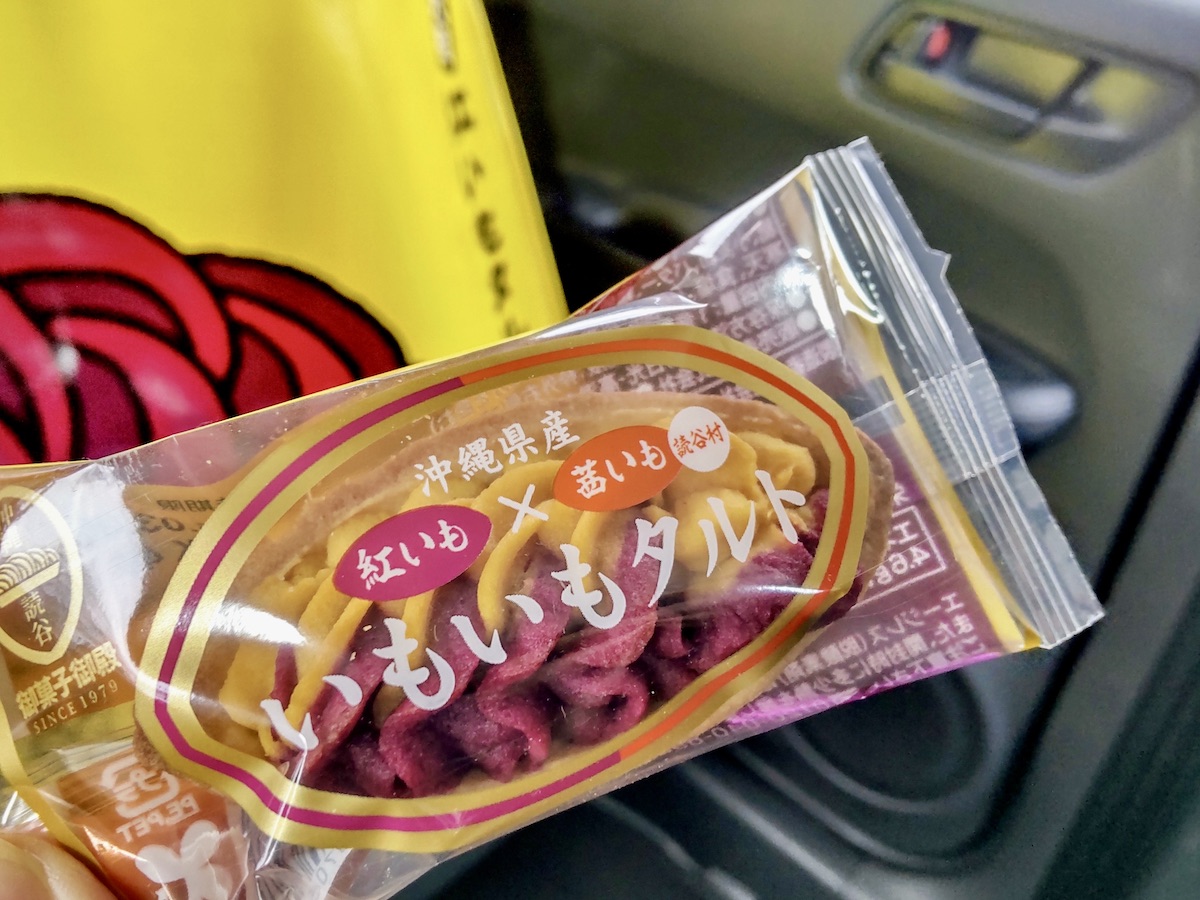
Yomitan Village is known for its pueple sweet potatoes, so there are plenty of sweets made from them. In particular, it is famous for tarts made with purple sweet potatoes of this shop, Okashigoten. At the large factory, we got to watch all sorts of treats being made.
Of all the sweets, the Imoimo Tart caught my eye. Made with two kinds of Okinawan sweet potatoes, it was freshly baked and sold as a limited item on site. We were told to eat it within two hours, so we dug in right away. The freshly baked tarts were crispier than the souvenir ones and absolutely delicious! It was a unique experience you can only have at the factory.
We picked up a few sweets that you can’t find even at Okinawan specialty stores in Tokyo, and then made our way to the restaurant for lunch.
Seaside lunch
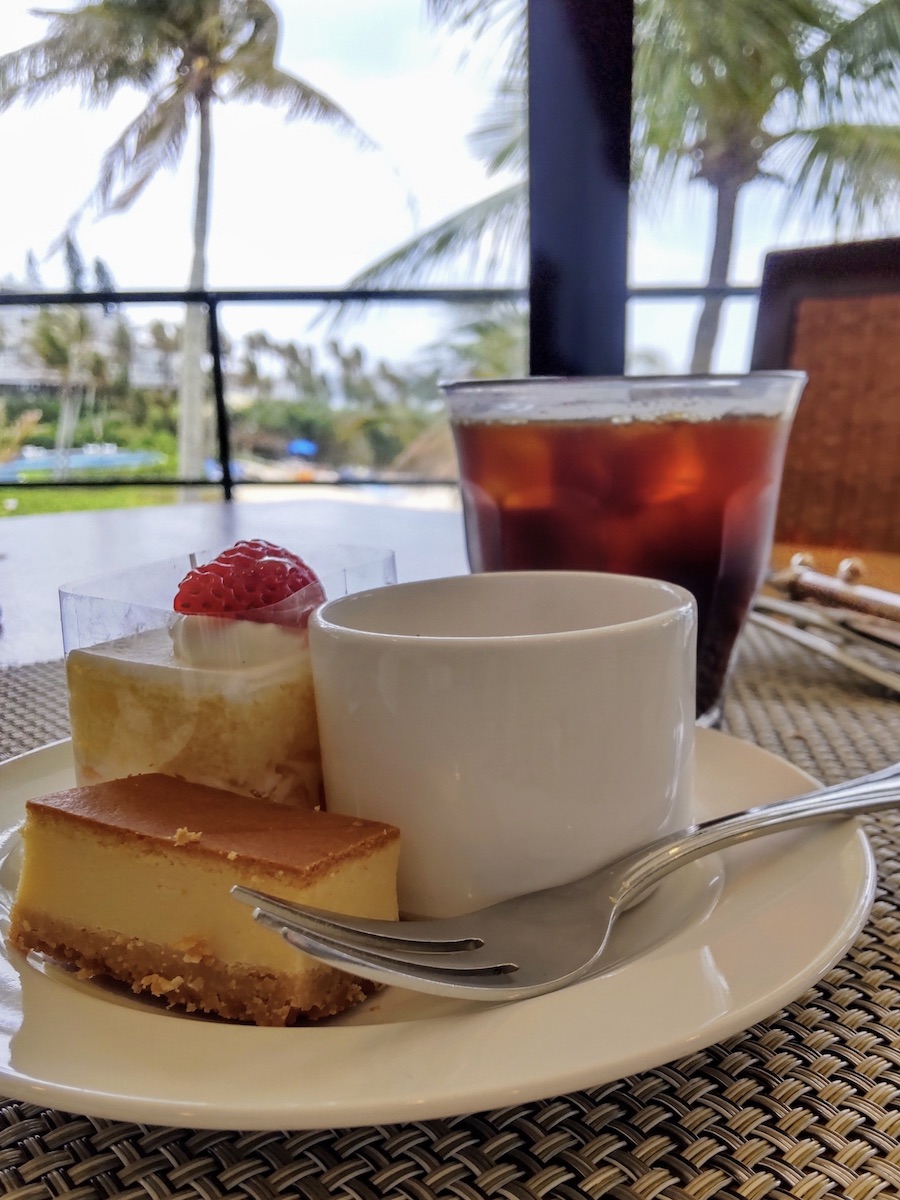 Seaside lunch
Next, we arrived at Hotel Moon Beach. This is one of Okinawa’s classic resorts, sitting on a beautiful beach. Surrounded by palm trees and other greenery, the hotel has an aged but gracefully mature feel.
Being February, the main course was a hot pot, and the rest was served buffet-style that even had crab. I never expected to have crab or hot pot in Okinawa, but sitting by the ocean and indulging in all kinds of dishes and hotel-made cakes was pure bliss.
This hotel was designed by Yukifusa Kokuba from Okinawa, who sadly passed away in 2016. He was also behind some of Okinawa’s iconic landmarks, like the Churaumi Aquarium and Naha City Hall. The vibe reminded me a bit of Hawaii, yet the building is thoughtfully designed with local techniques to handle Okinawa’s frequent typhoons.
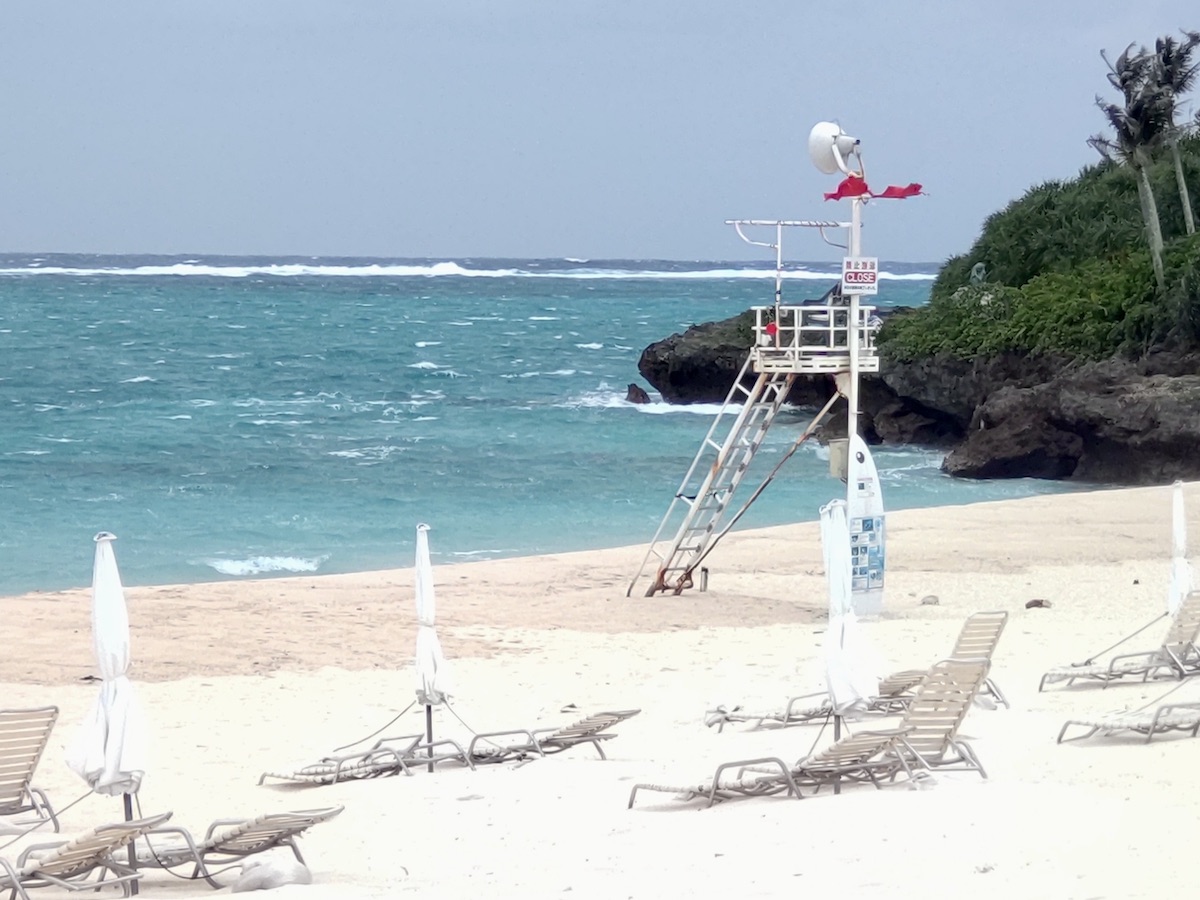
The north wind from the continent was strong and chilly that day, yet the sea’s colors were stunning. We stopped by some spots with ocean views along the way as we headed to our next hotel.
Continue reading the next part below!
Visiting Info
Zakimi Castle
Teppanyaki
– Steakhouse JAM
Tenderloin Course (150g)
– ¥4600 (approx. $29.4 / €25.0)
Tropical juice
– ¥700 (approx. $4.5 / €3.8)
Imoimo Tart (1 piece) – ¥150 (approx. $1.0 / €0.8)
– Okashigoten
Buffet Lunch – ¥3500 (approx. $22.3 / €19.0)
– All Day Dining Corallo English website
All info is current as of my visit.