Last Updated on September 29, 2026
Disclosure: This article may contain affiliate links.
In early October, my mother and I took a day trip from Tokyo to Karuizawa in Nagano by Shinkansen. From peaceful nature to elegant cafés, this post shares our experience along with practical tips for enjoying a short getaway.
The purpose of this guide is not just to share a relaxing day trip, but to help you experience Karuizawa more smoothly—from planning your transport to making the most of your time, even on a short visit.
What you will find in this guide:
- How to get to Karuizawa: Shinkansen tips and what to know before you go
- What to eat: Train snacks, local meals, and sweets to try
- Where to go: Nature spots, cafés, and shopping areas around Karuizawa
- Getting around: Practical tips for taxis, buses, and renting a car
- Travel tips: Seasonal advice, weather considerations, and timing
About this trip:
| Route | Tokyo Station to Karuizawa Station |
| Travel time | About 1 hour (one way) |
| Train | Hokuriku Shinkansen (Hakutaka) |
| One-way fare | ¥5,350 (approx. $33.0 / €29.0) *Price includes both the basic fare and the Shinkansen ticket. |
Tokyo Station to Karuizawa Station by Shinkansen
The easiest way to get from Tokyo to Karuizawa is by Shinkansen. The journey from Tokyo Station to Karuizawa Station takes about one hour, making it an easy day trip from Tokyo.
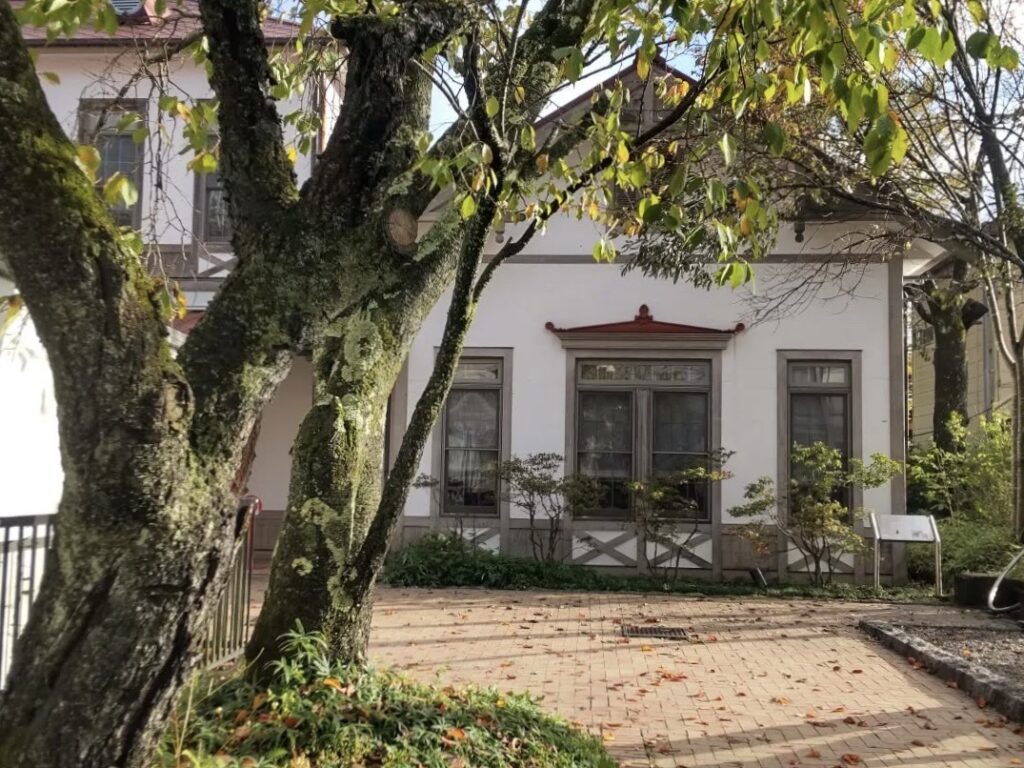
The main photo shows Karuizawa’s old station building. Karuizawa’s story began in 1888 when Canadian missionary A.C. Shaw built a villa here. Surrounded by lush nature, it stays cool even in summer, making it a popular place for vacation homes. The town also has many shops selling bread, ham, and other goods favored by villa owners, and it gradually developed as a tourist destination.
Shinkansen Hakutaka
For this trip, my mother and I took the Hokuriku Shinkansen Hakutaka. We left Tokyo at 10:33 a.m. and enjoyed the changing scenery along the way before arriving in Karuizawa.
The “Hakutaka” is a train on the Hokuriku Shinkansen line, which runs from Tokyo toward the Hokuriku and Niigata regions.
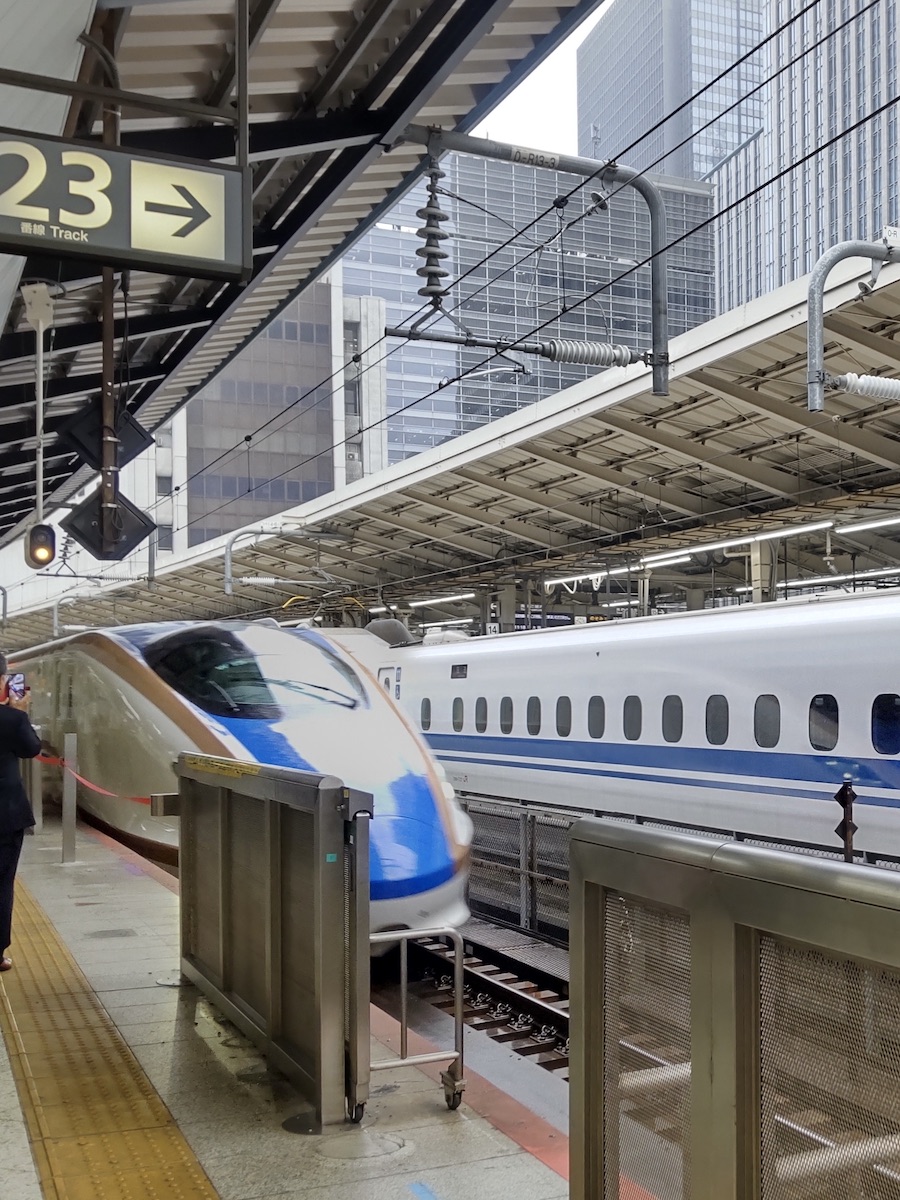 Hokuriku is a region located in the central part of Honshu (the main island of Japan) along the Sea of Japan, and Karuizawa is the fourth stop on this route from Tokyo.
Booking Shinkansen tickets in Japan can be done through official JR services or platforms like Klook, which is often considered a simple option for international travelers.
Quick Tips: Hokuriku Shinkansen
Please note that not all trains stop at Karuizawa, so it’s a good idea to check the display before boarding. This Shinkansen is an E7 or W7 series, featuring a stylish, calm blue and bronze color scheme. Because many boys love Shinkansen trains, it is quite common for parents in Japan to become experts on these models too.
Finding the Best Train Snacks
One of the best parts of a train trip is having some snacks. I recommend arriving at the station a little earlier than your meeting time to pick some up. Inside Tokyo Station, you’ll find GRANSTA, a large shopping complex with a wide variety of Japanese and Western sweets, fresh desserts, bakeries, restaurants, cafés, and plenty of ekiben shops.
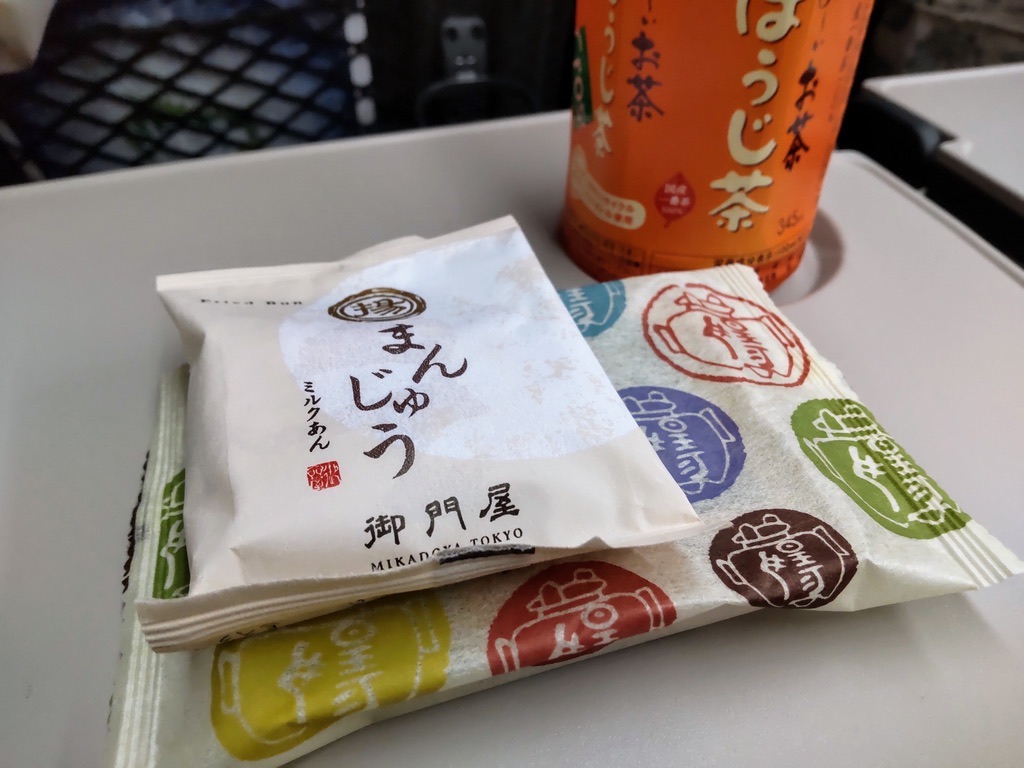
For this trip, my train snacks were fried manju, okaki (rice crackers), and hojicha tea. Many of you may know that “Manju” is a traditional steamed sweet made from flour and sweet red bean paste. “Fried Manju” is simply a deep-fried version, and it tastes a bit like a donut. I believe the flavor is very approachable and will be enjoyed by people from all over the world.
Hojicha is a type of Japanese green tea that is roasted, giving it a distinctive nutty and toasty aroma. Unlike regular green tea, hojicha has a brownish color and a mild, earthy flavor. It is also lower in caffeine, making it a perfect drink to relax with.
I really liked the manju’s filling—it was white bean paste with a hint of milk. The okaki (rice crackers) came in various flavors, and my mother and I enjoyed them while sharing our thoughts on the taste and taking in the scenery. I’ll include details about these shops in the information section below.
Quick Tips: Where to Buy
Tokyo Station is very crowded and busy. Therefore, make sure to stay alert so you don’t get lost when boarding the train. I recommend visiting the sweets shop area on the first basement level (B1F), located around the “Silver Bell” (Gin-no-Suzu) meeting spot near the Shinkansen gates.
Smart Shopping at Tokyo Station
Tokyo Station can be overwhelming. To save time, head to the “Gransta” shopping area located on the B1 floor near the Silver Bell (Gin-no-Suzu) meeting point. This area is conveniently situated close to the Shinkansen gates and offers a fantastic selection of high-quality Japanese sweets and bento boxes, perfect for enjoying on your one-hour journey to Karuizawa.
Arriving in Karuizawa
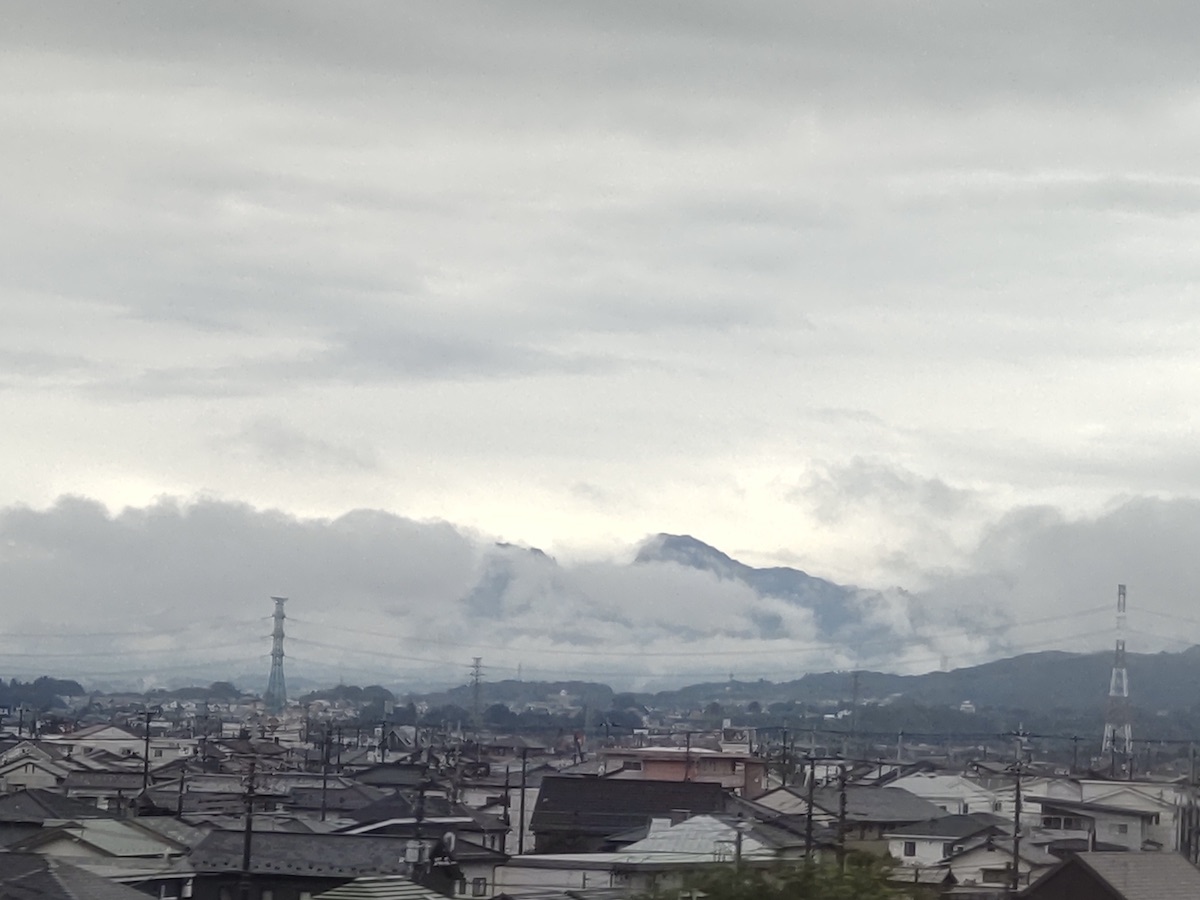
The mountains of Gunma prefecture came into view, and before we knew it, we arrived in Karuizawa, Nagano, amazed at how quickly the journey had passed. Around the station, there are places you can reach on foot or by bus, but for this trip, we wanted to visit some spots farther away, so we rented a car first.
Lunch at Hotel Indigo
And then, as it was almost lunchtime, we headed to KAGARIBI, a restaurant at Hotel Indigo that we had reserved. The name “KAGARIBI” refers to a bonfire lit to illuminate the path at night. It’s a beautiful name that perfectly matches the cozy and welcoming atmosphere of the restaurant. Hotel Indigo Karuizawa opened in 2022, and I had been wanting to visit. We couldn’t stay this time because our family was waiting for us at home, but we still got to enjoy the atmosphere.
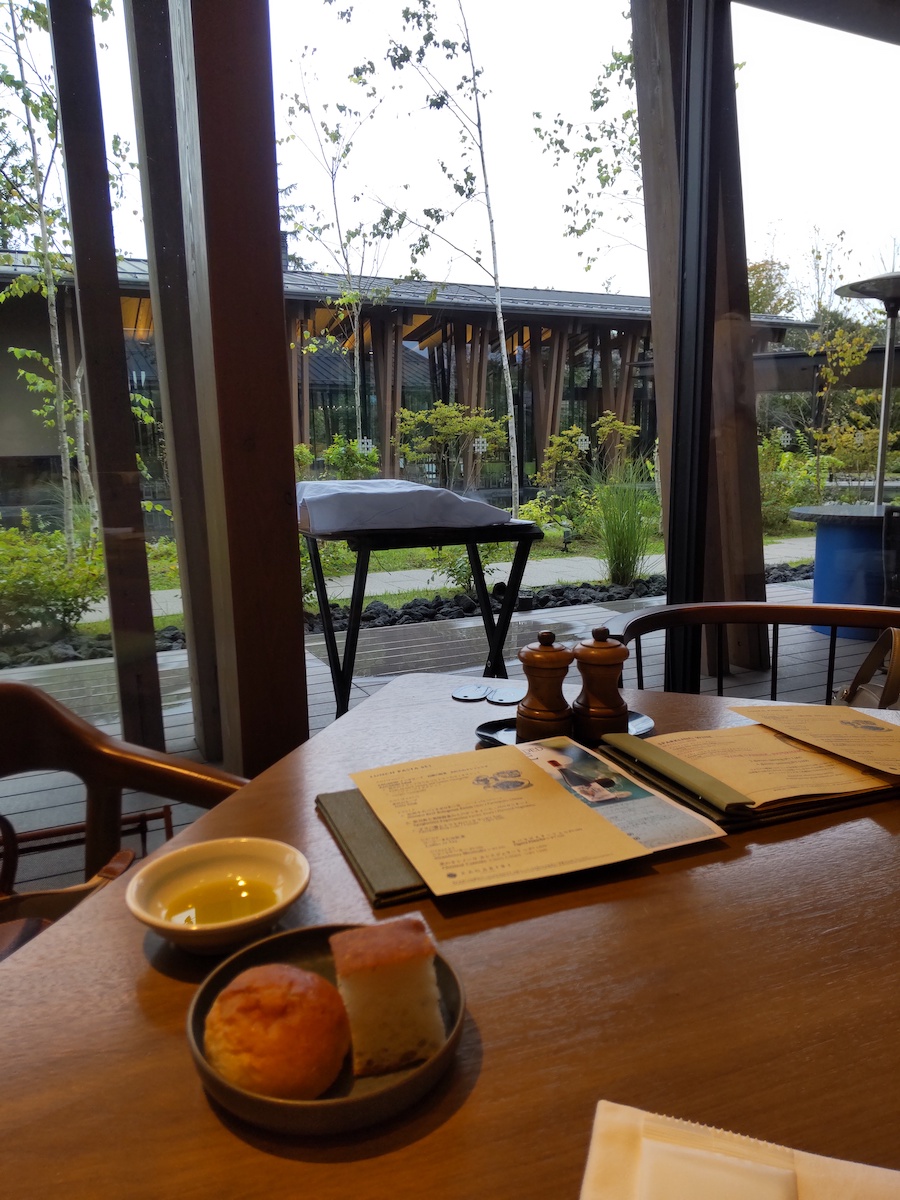 Hotel Indigo is an IHG Hotels & Resorts brand that focuses on offering neighborhood-inspired experiences unique to each location. It was unfortunately a rainy day, but the interior was beautiful with high ceilings and large windows, and we were given a spacious, open seating area.
We chose the prix-fixe Italian lunch, and before long, our dishes were served.
Salad with Local Vegetables
We started with a salad made from locally grown vegetables.
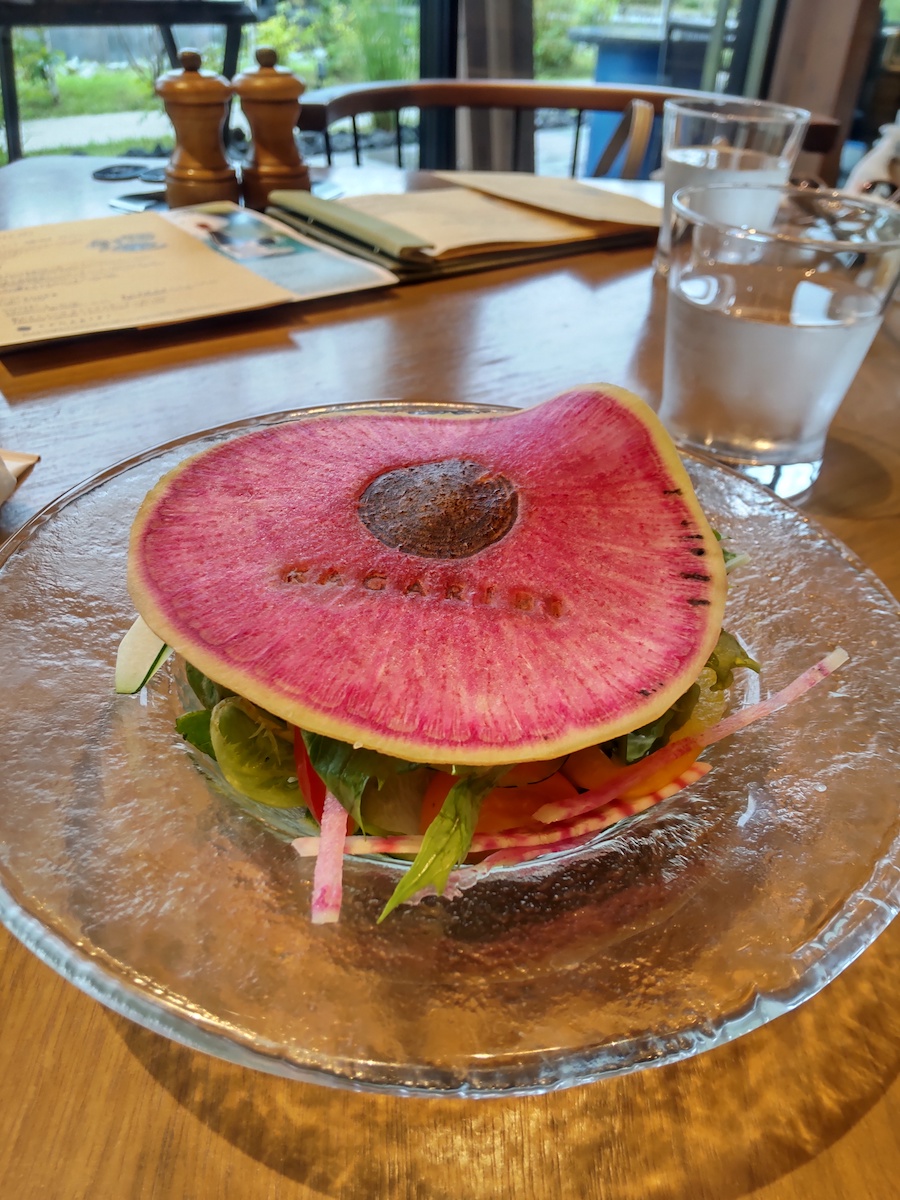 It featured some vegetables I don’t usually eat, topped with a vinaigrette made with Karuizawa honey and citrus. With plenty of vibrant vegetables, it was a healthy start to lunch.
Today’s Soup
The soup of the day was pumpkin soup. I sometimes make pumpkin soup at home, and I could tell that this one was made with plenty of pumpkin too.
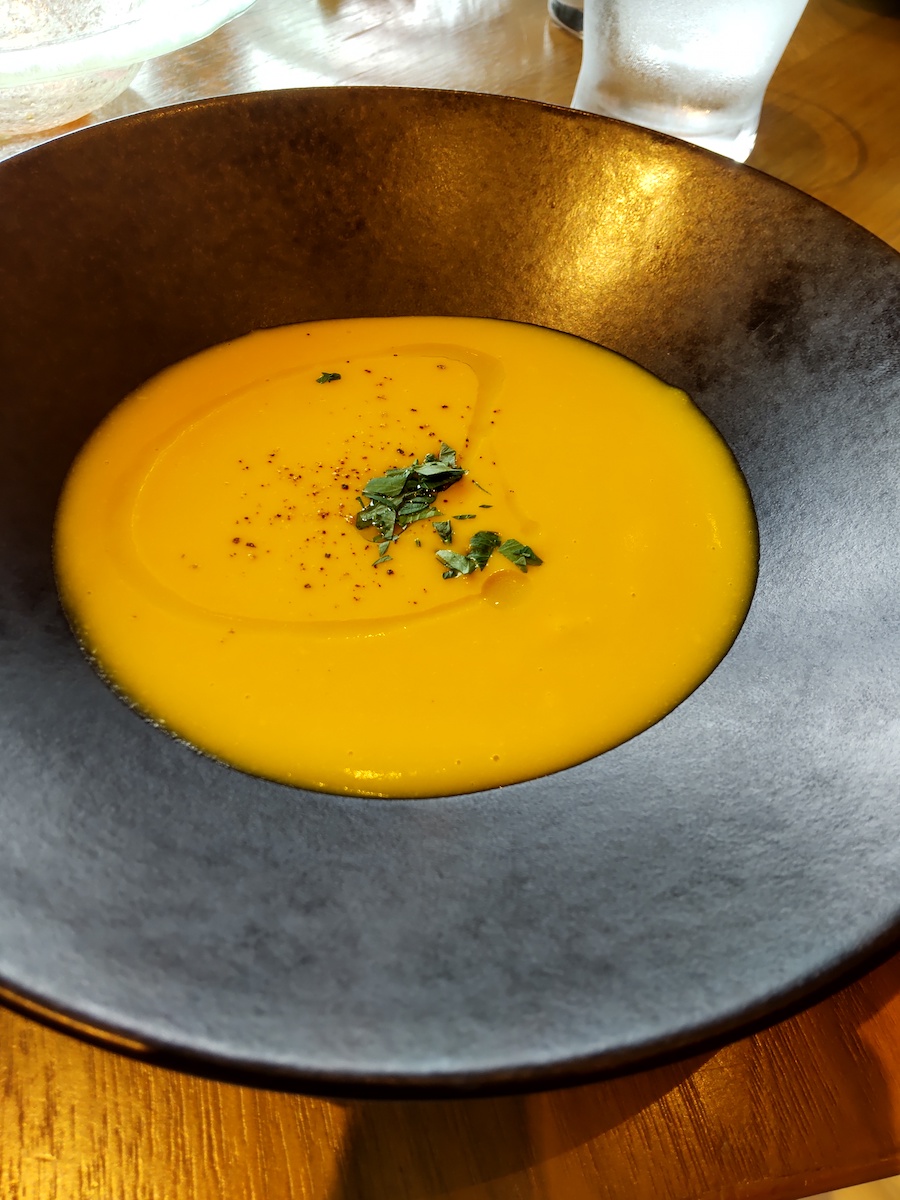
Lately, I’ve been too busy to feel like cooking, but I hope that if my body and mind feel energized, that will change. I’m thinking of reducing my workload a little.
Pasta
There were three pasta options to choose from, and I went with the Shinshu beef Bolognese penne.
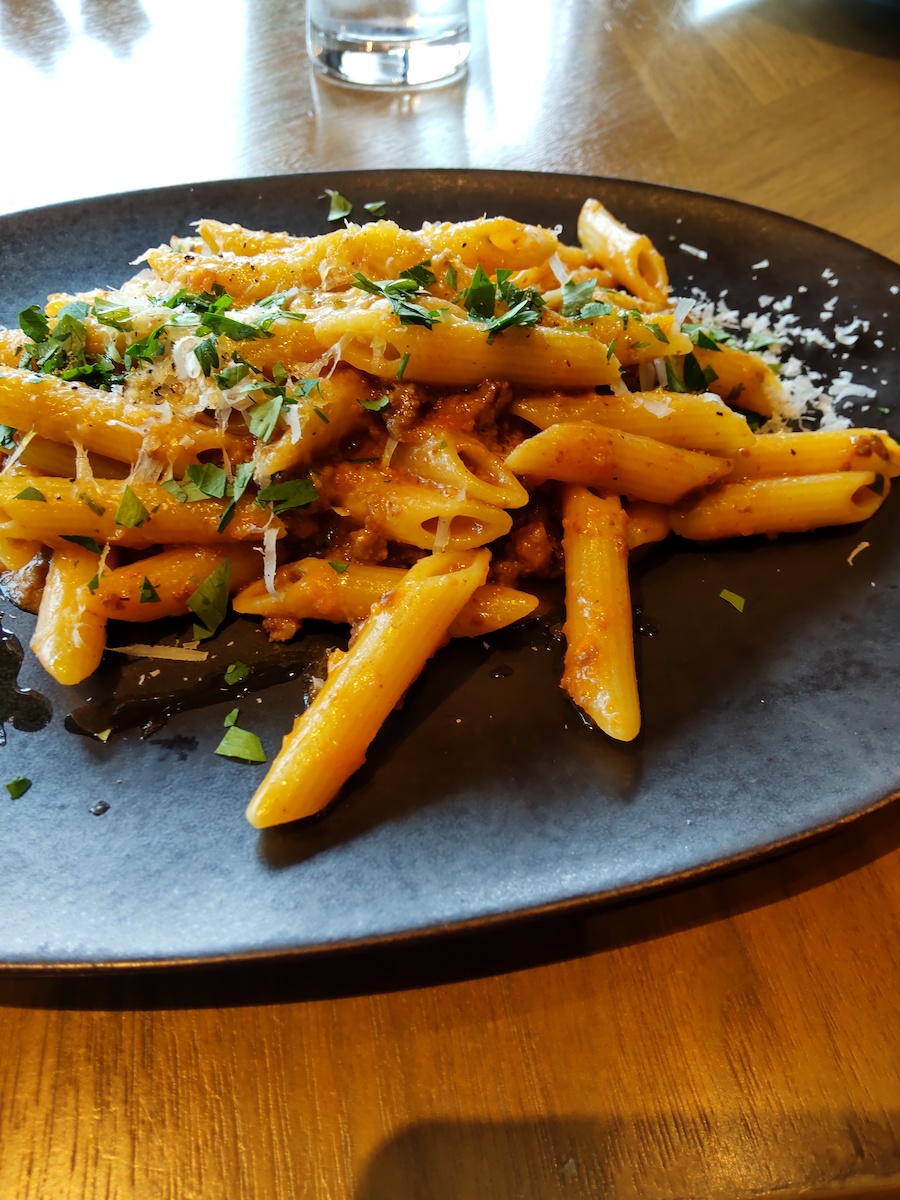 Shinshu Beef is a flavorful Kuroge Wagyu (Japanese Black) raised in the lush nature of Nagano Prefecture, and it is highly renowned throughout Japan. Shinshu is the traditional name for Nagano, and it is still very commonly used today.
The portion was quite large for us, so we probably should have asked in advance to have it reduced. Personally, I could have used another stomach!
Dessert
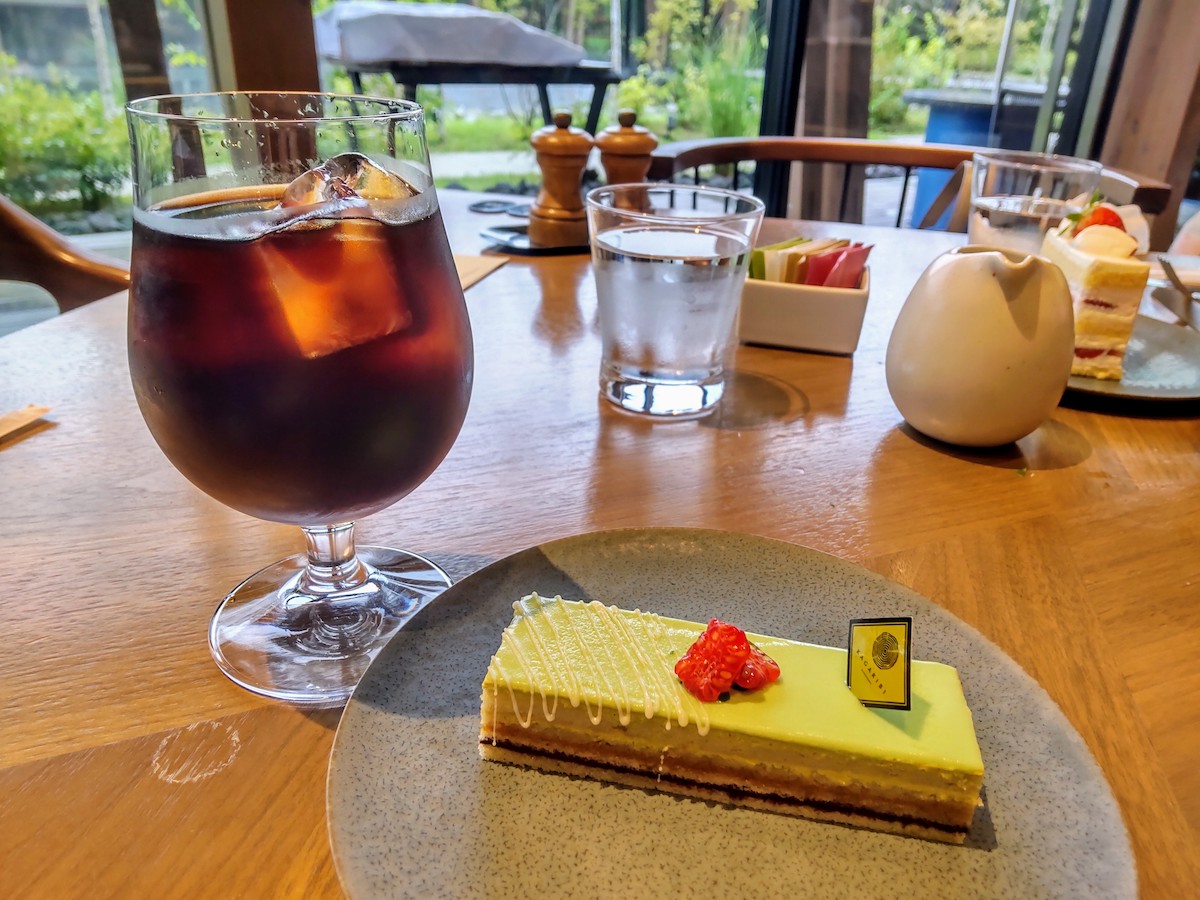
At the time of our visit, the cake wasn’t included in the course, but we could choose from the hotel’s homemade cakes. I picked the pistachio opera. As always, I like to end with something sweet and coffee. The menu has recently been updated, and a small dessert is now included in the set from the start.
Bakery & Shop
The restaurant has a checkout at the exit, and there’s also a display case selling bread, cakes, and more. The focaccia included in the course was so good that I bought some to take home. Some people came from outside just to buy bread.
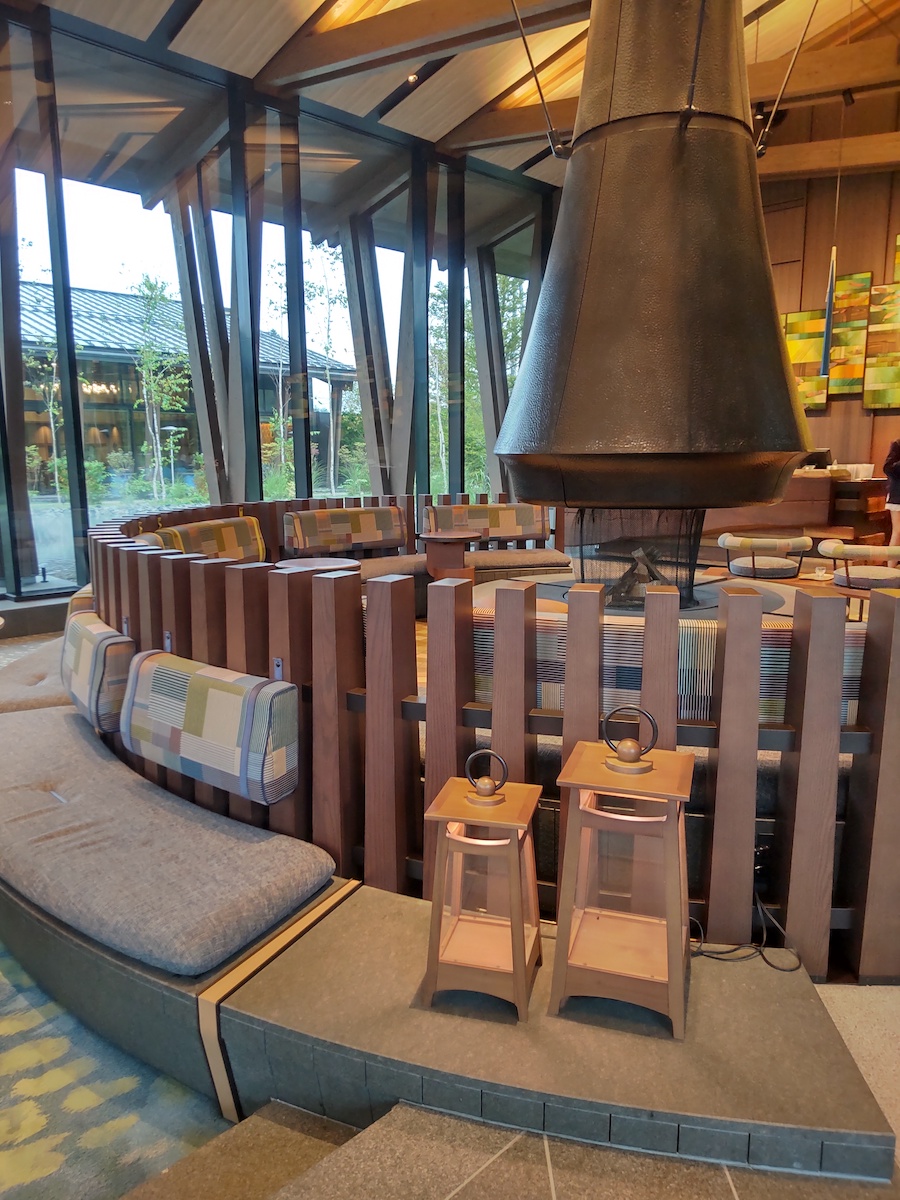 Important Tips: Snowy Roads
We took a look at the lobby as well. With its big fireplace, it seemed like a cozy place even in Nagano’s harsh winter. However, snowy roads can be very dangerous for those from low-snow areas like us, so I would recommend avoiding driving there when snow is likely. It’s best not to visit by car if there is a chance of snow. For your safety, it is best to rely on a local taxi with an experienced driver or the hotel’s shuttle service during the snowy season.
Safety First During the Snowy Season
Karuizawa experiences heavy snowfall and icy roads from December through March. If you are not experienced in driving on snow, please avoid renting a car. Instead, utilize the Hotel Shuttle Bus or a Private Taxi (Hired Car). Local drivers are experts at navigating winter conditions, allowing you to relax and enjoy the beautiful snowy scenery without worry.
We visited Hotel Indigo Karuizawa for lunch and enjoyed its relaxed atmosphere. If you’re considering staying here, you can check the latest rates and availability below.
Karuizawa Taliesin
We drove through the trees and arrived at Karuizawa Taliesin, a cultural theme park with small libraries and museums around a lake. Although it rained, the wet roads and soft mist made the scene feel magical. It was early October, and since it’s a cold region, I was hoping to see some autumn colors, but it seemed a little early.
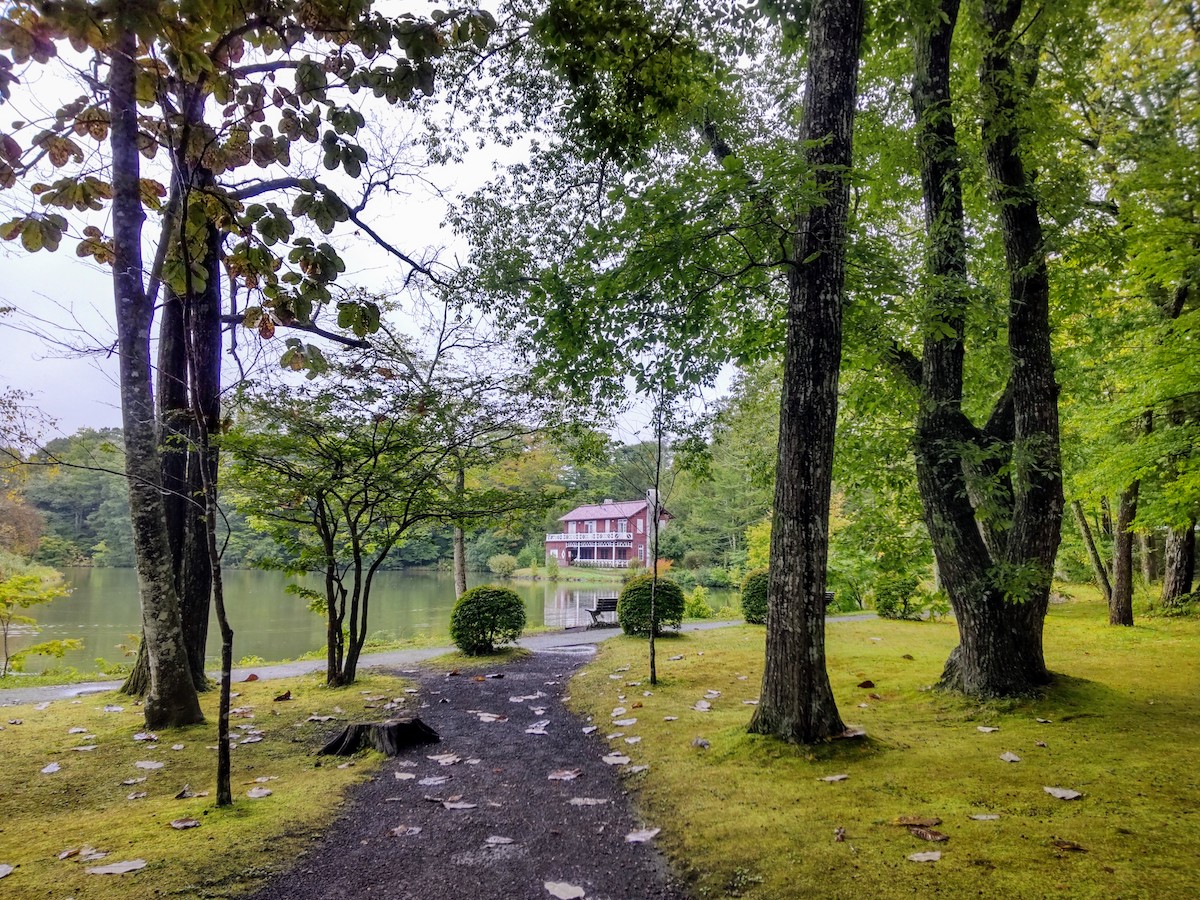
I can only imagine how beautiful it must be in the bright green of early summer. Although it’s not a new place, I think many visitors from the city come here to enjoy the calm surroundings and lush greenery. In addition, since there’s a rose garden, we went to see it as well.
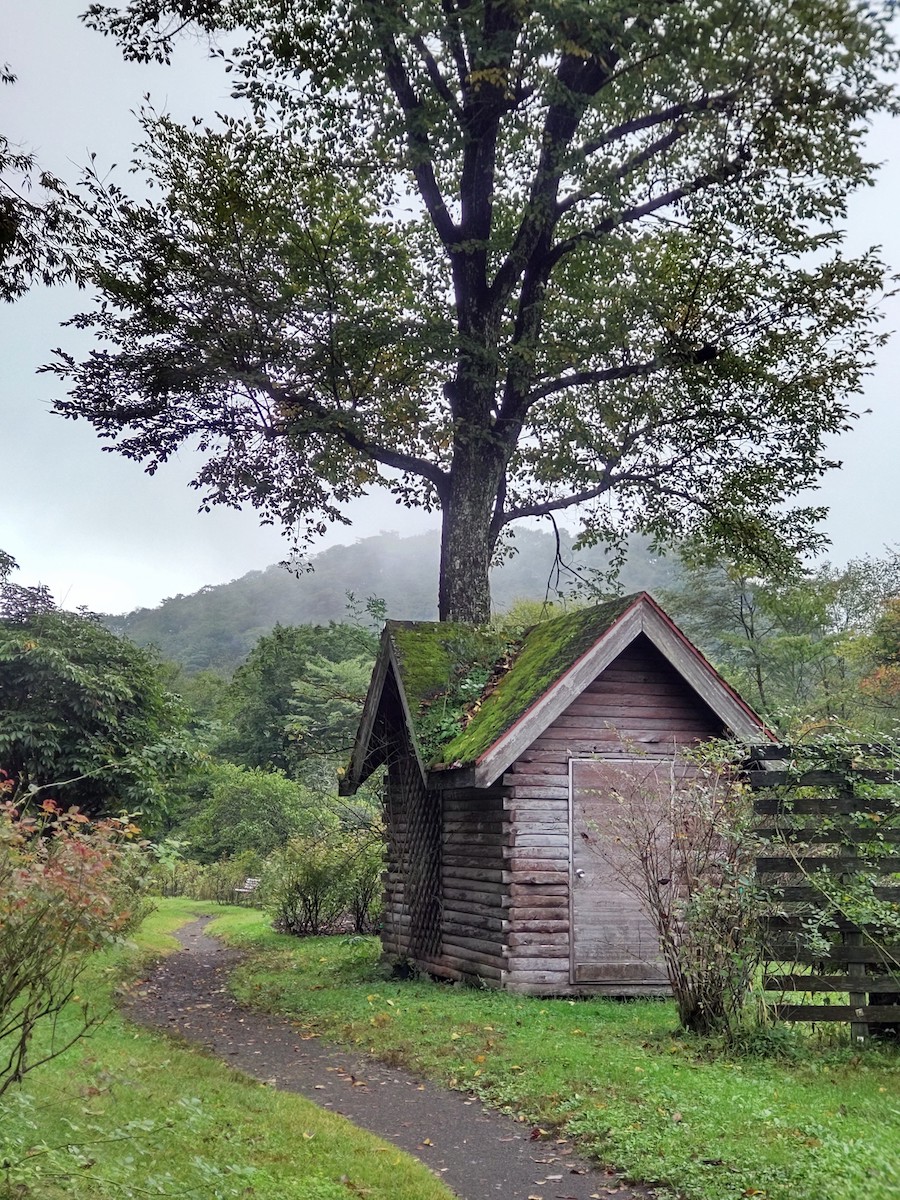 A Walk in the Rain
As we made our way to the rose garden, we noticed a small hut, likely for keeping the gardening equipment. The scenery was so unexpected, with mountains in the background shrouded in mist, that I found myself wondering if this was really Japan. It might have been a good thing that we came here on a rainy day.
Visiting on a quiet weekday made it feel as if we had stepped into a storybook. The cool, misty air was filled with the fresh, earthy scent of wet soil and greenery. It was a luxurious moment of peace, unique to Karuizawa, where I felt truly liberated from my busy life and the hustle and bustle of the city.
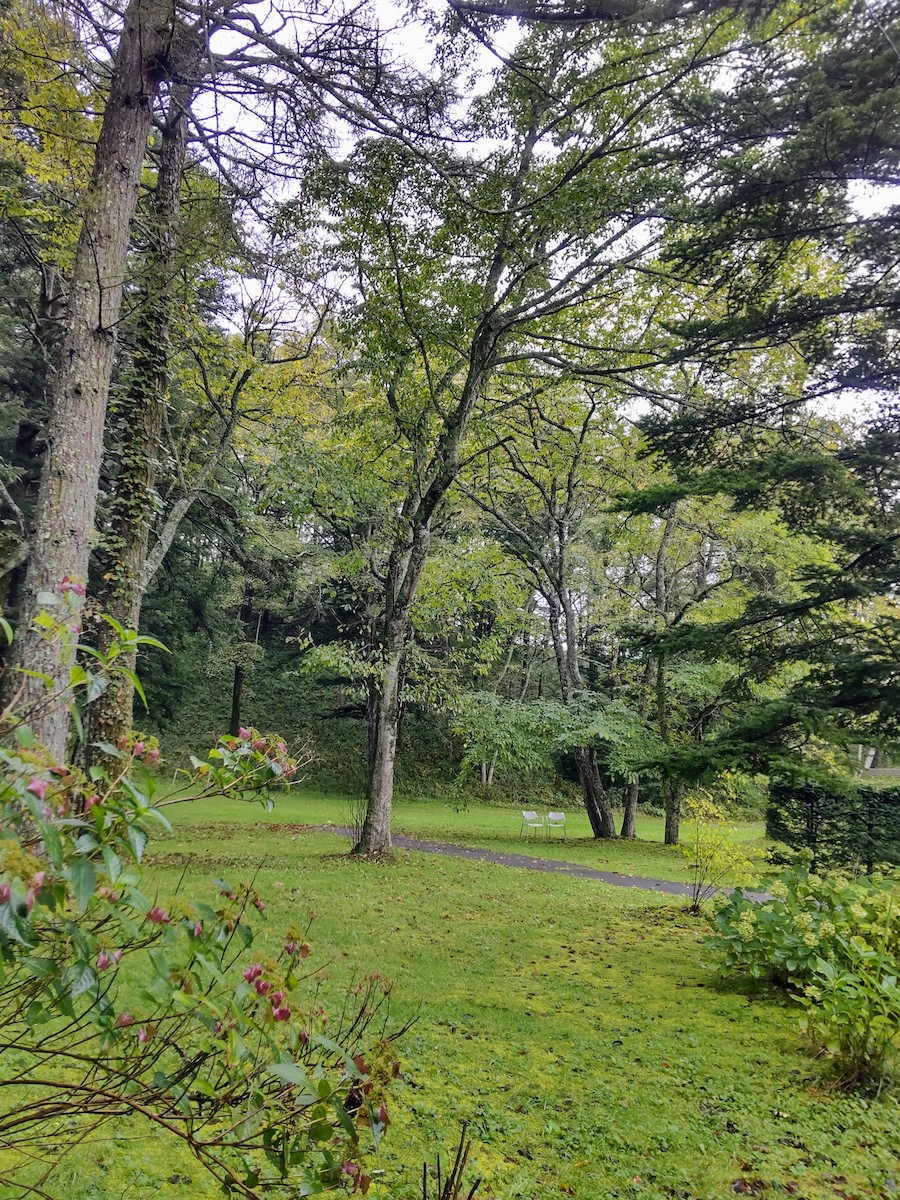 This is near the entrance to the rose garden. It’s small and hard to see, but there were two chairs placed under the tree. If it hadn’t been raining, it would have been a lovely spot to sit, enjoy the view, and rest under the tree.
Thinking that someone had placed them there for someone else made me feel warm inside.
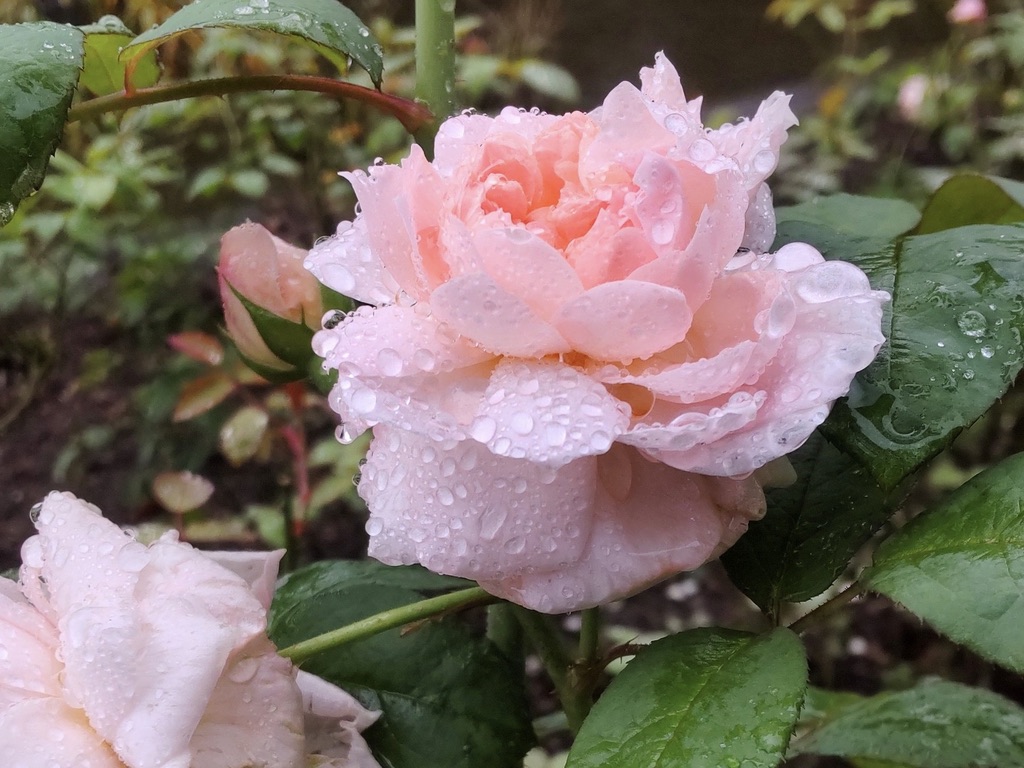
The rose garden seemed past its peak, but a few roses still brought us joy. The fine raindrops clinging to the petals made them look even more beautiful.
Quick Tips: Best Time to See the Roses
The roses at Karuizawa Taliesin are generally at their best from June to September, with the Rose Festival usually held around late June. If you’re planning a visit, please check the official website for the latest information, as dates and blooming conditions can vary each year.
Souvenir Shopping
Having soaked in the enchanting atmosphere, we made our way to Harunire Terrace to pick up some souvenirs. Harunire Terrace is a stylish mall operated by Hoshino Resorts. With hot spring accommodations nearby, it’s a popular spot to stop by.
As you know, it was a rainy day, but on a clear day, I’m sure you could fully relax and enjoy the lush greenery. However, it was uncrowded and very comfortable for shopping that day. I’ll share the souvenirs we picked up a little later.
Akaneya Coffee
With some time to spare after returning the rental car, we went to a nearby café, Akaneya Coffee. One unique feature of this café is that, in addition to carefully hand-dripped coffee, you can choose your own cup from a wide selection of coffee cups.
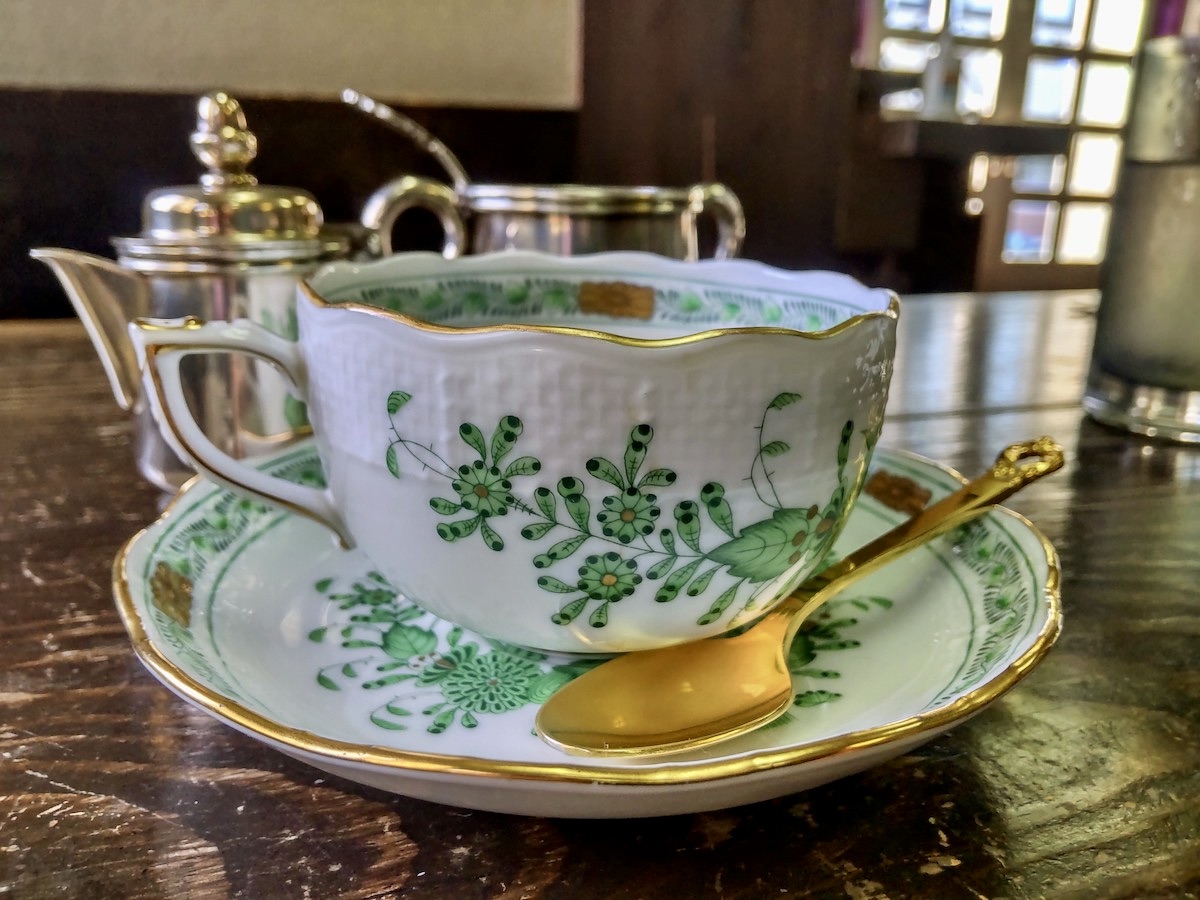
I chose a Herend cup, while my mother picked one by Okura Touen. Both were beautiful cup-and-saucer sets. With its slight acidity and fragrant aroma, the coffee tasted wonderful, and enjoying it in such beautiful cups made for a perfect moment.
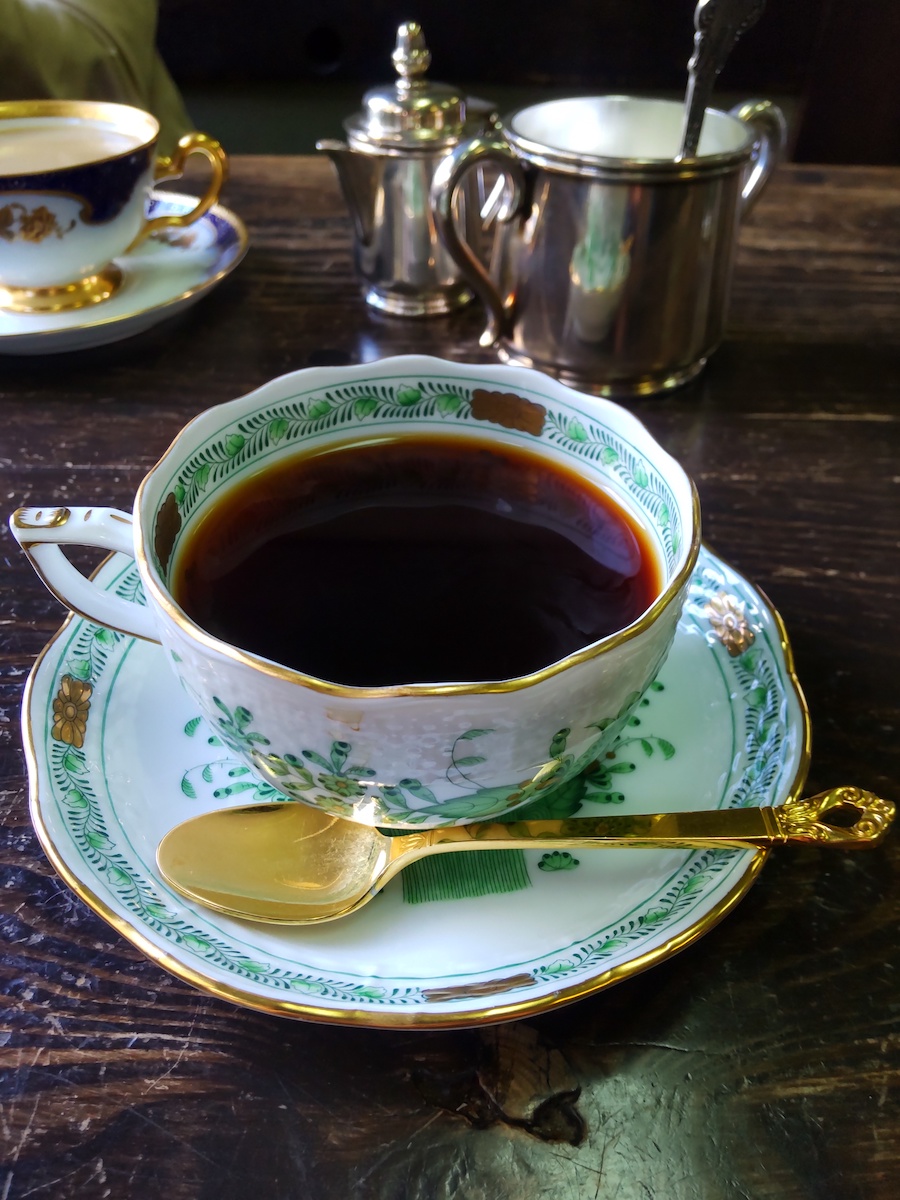 This café originally started in Kobe, but later opened a location in Karuizawa. It now has several branches in Tokyo as well. Kobe is said to be famous for its coffee because it was introduced along with Western culture after the port opened. As a port city, Kobe welcomed many foreign visitors, which helped Western food culture take root early on.
Even with the rain, Karuizawa left me with such beautiful memories. I’m still a bit of a stranger to western Japan, so I hope to explore that area someday when I have a little more freedom.
Quick Tips: Smoking
In Tokyo, there are still many traditional cafés where you can choose your own cup or have the barista select one for you. However, since smoking is often allowed in these classic shops, those who are sensitive to smoke should keep that in mind.
On the other hand, some modern coffee chains, like the one I visited, now offer a similar choice of beautiful cups. Many of these locations provide completely non-smoking areas or separate smoking booths. This is a wonderful trend as it allows everyone to choose their preferred environment—whether you want to fully enjoy the rich aroma of the coffee or relax with a smoke.
I hope to visit again someday and will definitely share my experience with you then.
Local Sweets
These are the sweets I bought at Harunire Terrace, called “Koro-koro Kurumi.” These baked sweets are from a shop named Izumiyadenbei. They are manju filled with white bean paste, nuts, and apples, with a hint of cinnamon. They go well with both green tea and coffee.
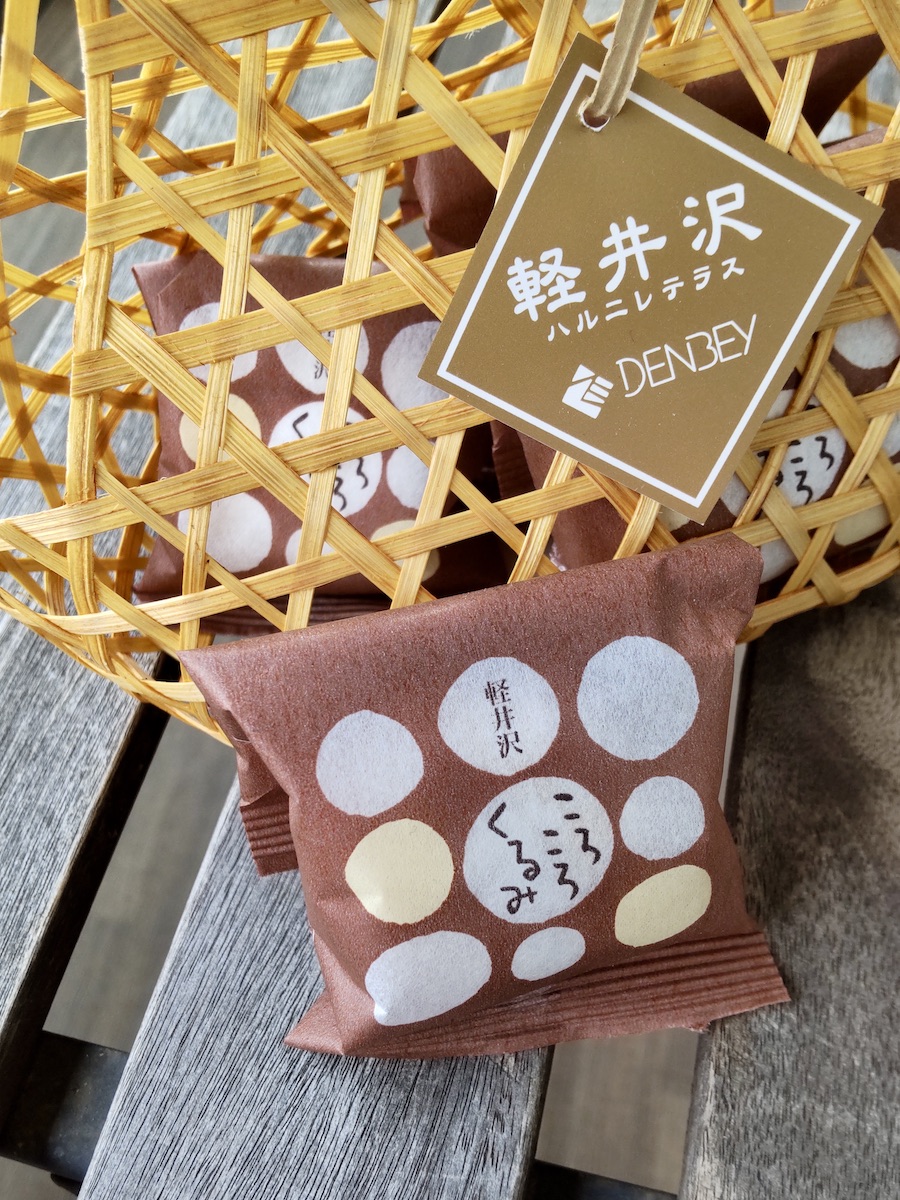 I first learned about this sweet when an old friend gave it to me as a souvenir. Since it’s usually only available in Karuizawa, I had decided to buy some when I visited. I thought the basket packaging was so cute that I decided to display it by my entrance.
This shop also offers sweets and dango made with local specialties like Hana-mame beans and fruits from Nagano, so I’d love to try them if I visit again.
Getting Around Karuizawa
If you don’t plan to rent a car, taking a taxi is your best option. While local buses do operate throughout Karuizawa, they are not frequent or extensive enough to conveniently cover all major sightseeing spots. To make the most of your time, I recommend relying on taxis for a smoother and more efficient journey.
If you choose to use taxis, booking a private “hired taxi” (charter service) can be even more convenient. Taxis are not always readily available in every area, so it can sometimes be difficult to catch one on the street. As a rough reference, a 2.5-hour private taxi charter for 2–4 passengers typically starts from around ¥15,000, while a 5-hour course generally ranges from ¥25,000 to ¥30,000. Prices may vary depending on the season and route, and are subject to change.
For assistance with bookings or transportation inquiries, you can contact the Karuizawa Station Tourist Information Center, officially managed by Nagano Prefecture. I’ve included their details in the information section below.
Without a Car
Even if you don’t have a car, you can still fully enjoy the area around Karuizawa Station.
Kyukaruizawa Ginza Street
Kyukaruizawa Ginza Street is lined with traditional shops offering local specialties such as Nagano wines, cheeses, hams, and freshly baked bread. You’ll also find beautiful, long-established stores featuring intricate wood-carved furniture — a craft deeply rooted in the area’s history.
It takes about 25 minutes to walk there from the station. The route is simple and easy to follow. You might consider taking a taxi from the station on the way there, then enjoying a leisurely walk back. This way, you can save your energy for sightseeing first and take your time exploring the charming streets and shops as you return to the station on foot.
Karuizawa Prince Shopping Plaza
Karuizawa Prince Shopping Plaza is just a short walk from Karuizawa Station. The mall offers a wide range of shops, from local Karuizawa specialties to internationally renowned brands. Surrounded by greenery, it’s a pleasant space where you can enjoy both shopping and dining in a relaxed, nature-filled setting.
Harunire Terrace
For those looking to experience a blend of tradition and modern style, Harunire Terrace, mentioned earlier, is highly recommended. Nestled among trees along the river, this charming area lets you immerse yourself in nature while enjoying a peaceful and unhurried atmosphere.
If you plan to visit Harunire Terrace without a car, there is an English bus timetable available, making it easier for international visitors to navigate the local bus system with confidence. I’ve included the details in the information section below.
Maximizing Your Day Trip
If you have limited time, consider taking a taxi from Karuizawa Station to your first destination, such as Kyukaruizawa Ginza (approx. 5–10 minutes). By saving your energy on the outbound trip, you can enjoy a more leisurely walk back to the station while browsing the charming local shops at your own pace.
Conclusion
Karuizawa offers a perfect balance between nature and comfort, making it an ideal destination even for a short day trip. With the convenience of the Shinkansen, you can leave the busy streets of Tokyo behind and find yourself surrounded by fresh air and peaceful scenery in just over an hour.
Even with limited time, we were able to enjoy a fulfilling experience—from a relaxing lunch and quiet walks in nature to a cozy café moment and souvenir shopping. Each stop added a different layer to the day, creating a trip that felt both refreshing and memorable.
Whether you explore by car or stay close to the station area, Karuizawa allows you to travel at your own pace. I hope this guide helps you plan a smooth and enjoyable visit—and inspires you to take a small break from everyday life.
Recommended For:
• Travelers looking for an easy and refreshing day trip from Tokyo
• Those who enjoy nature, cafés, and a slower, relaxed atmosphere
• Couples, solo travelers, or parent–child trips seeking a peaceful getaway
• Visitors interested in combining local food, shopping, and scenic spots
• Travelers who want a flexible itinerary, with or without a car
Discover more relaxing getaway ideas from Tokyo below:
Day Trip to Atami from Tokyo: Summer Itinerary, Food & Things to Do
Explore the basket and how I display it:
Information
Information, prices and exchange rates are current as of my visit but may change. Please check official sites.
Snacks
Mikadoya
Fried manju milk flavor Set of 3
– ¥440 (approx. $2.8 / €2.4)
Okaki
– ¥150 (approx. $1.0 / €0.8)
– Google Maps
– Gin no suzu area map (No.6)
– GRANSTA English website
Hotel Indigo Karuizawa by IHG
KAGARIBI
Italian lunch course
– ¥3,800 (approx. $24.1 / €20.6)
Optional cake
– ¥500 (approx. $3.2 / €2.7)
Take out Focaccia
– ¥350 (approx. $2.2 / €1.9)
Check room rates and availability:
– Booking.com
– Expedia
Access
– About 1.5 mi (2.4 km) from Karuizawa Station
Karuizawa Taliesin
– Closed during winter
Admission Fee
– ¥900 (approx. $5.7 / €4.9)Access
– About 2.9 mi (4.6 km) from Karuizawa Station
– Google Maps
Harunire Terrace
– Official English website
– Google Maps
Access
– Access page (with English bus timetable)
– About 3.2 mi (5.2 km) from Karuizawa Station
(About 0.9 mi (1.4 km) from Naka-karuizawa Station)
Korokoro Kurumi
Set of 5 in a basket
– ¥1,242 (approx. $7.9 / €6.8)
– Izumi-ya Denbei
Akaneya Coffee Ekimae
Coffee in a cup of your choice
– ¥1,000 (approx. $6.3 / €5.4)
Access
– About 390 ft (120 m) from Karuizawa Station
– Google Maps
Shinkansen Bullet Train
JR-EAST
– Official English website
Klook
– Shinkansen Tickets – Japan Bullet Train
Tourist Information Center
– In Karuizawa Station
Office Hours: 9:00〜17:30
TEL:0267-42-2491
*Opening hours will be extended during GW and summer vacation periods.
– Official English website
Kyukaruizawa Ginza Street
– About 1 mi (1.6 km) from Karuizawa Station
– Google Maps
Karuizawa Prince Shopping Plaza
– About 980 ft (300 m) from Karuizawa Station
– Official English website
This article contains affiliate links. We may earn a commission at no extra cost to you.