Last Updated on August 4, 2026
Japanese restaurant chains are a big part of everyday dining in Japan. As a resident in Japan, I often visit these restaurants because they are popular and trusted by locals.
In this article, I’ll introduce three must-try chains—including lesser-known gems that are not as familiar to international visitors—that I personally recommend. I chose these restaurants because they offer delicious food and memorable dining experiences that I truly enjoy as a local.
I’ll share my own photos and tips on ordering so you can enjoy a stress-free, authentic, and budget-friendly meal just like a local.
- Kagonoya: For enjoying authentic Japanese cuisine served in beautiful, traditional tableware.
- Denny’s: For a high-quality yet affordable Japanese-style breakfast to start your day.
-
Sushi Misaki: For fresh, seasonal sushi handcrafted by skilled chefs in a friendly, casual setting.
What you’ll find in this guide:
- Must-try restaurant chains in Japan: From traditional Japanese dining at Kagonoya to family-friendly Denny’s and sushi specialist Sushi Misaki
- How each chain works: Step-by-step guide to seating, ordering, eating, and paying
- Menu highlights: Signature dishes, seasonal specials, and budget-friendly options
- Atmosphere & interior tips: What to expect for solo diners, families, or groups
- Practical advice: Using digital menus, drink bars, kiosks, and how to ask staff for help
Kagonoya
Kagonoya offers a refined Japanese dining experience with carefully prepared seasonal dishes served in a calm and comfortable setting. It is a place where you can enjoy authentic Japanese cuisine, prepared with the kind of meticulous care and attention to detail that is difficult to replicate at home.
While the prices are not necessarily low enough for everyday dining, it is the perfect destination for those times when you want to fully immerse yourself in a traditional Japanese atmosphere. I like to go there when I want to treat myself.
Atmosphere & Interior
The restaurant’s exterior features a traditional Japanese house style with signs in Japanese. Inside, you will find a modern yet cozy space with plenty of warm wooden accents. Most of the seating consists of four-person booths, offering a private and relaxing environment where you don’t have to worry about the surrounding tables. Although I visited alone, the staff kindly seated me at a spacious four-person table, which made my stay even more comfortable.
How It Works
-
Enter: Tell the staff the number of people in your party, and they will lead you to your table.
-
Order: You can browse the physical paper menu at your table, then enter your order into the touch-panel tablet. The digital menu is also available on the tablet.
-
Eat: Japanese green tea is provided free of charge, and the staff will bring them to your table for you. If you prefer not to drink green tea, simply let the staff know when you arrive, and they will provide water for you instead.
Unlike many restaurants in Japan, there is no inexpensive self-service drink bar with unlimited refills. However, there is an all-you-can-drink option with a two-hour limit for ¥700 (approx. $4.3 / €3.8). Excessive leftover drinks are not allowed.
-
Pay: When you finish your meal, take your bill to the cashier near the exit. Major credit cards are accepted.
Menu Highlights
Lunch Sets
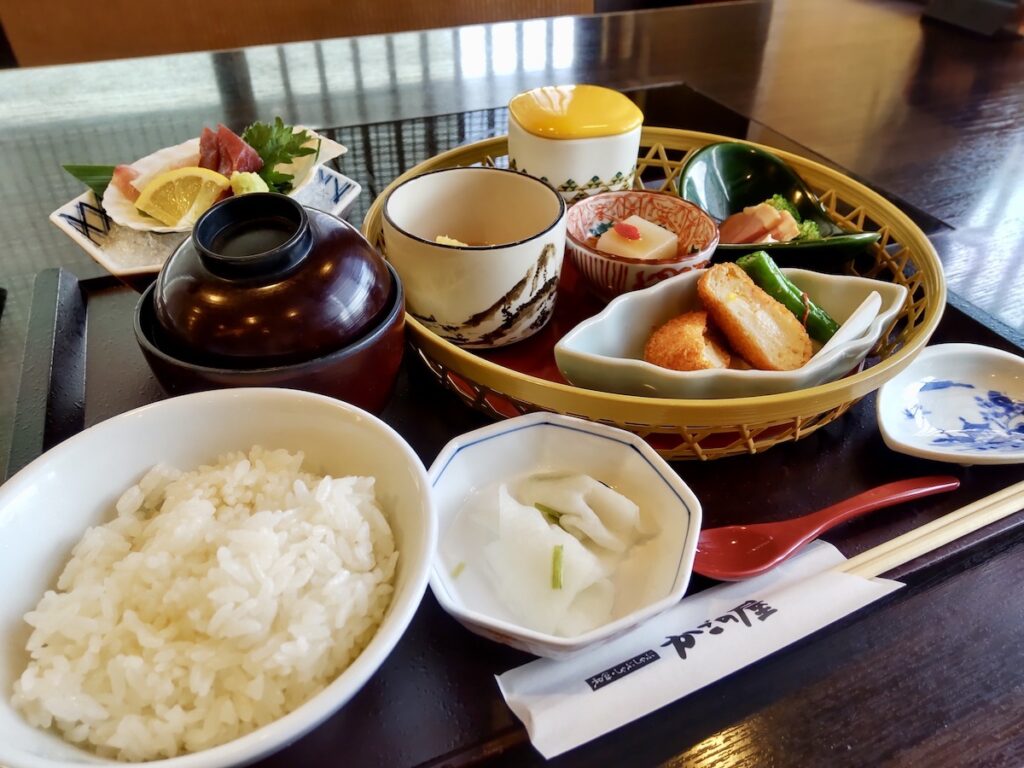
Please note that the menu may vary depending on the season and location. The image at the top of this post features Kagonoya’s “Ranman Bento.”
This beautiful meal features a traditional basket filled with several small, charming dishes, making it as visually stunning as it is delicious. The set includes fresh sashimi, rice, miso soup, and Japanese pickles. Kagonoya serves all the warm dishes freshly prepared, so you can always enjoy them at the perfect temperature.
When I visited on a weekday, the Ranman Bento cost ¥2,200 (approx. $13.4 / €11.8). If you are looking for something lighter, they also offer a set featuring a three-dish “Kago Plate” and a small rice bowl starting from ¥1,430 (approx. $8.7 / €7.7).
Desserts
I also added matcha ice cream for an additional ¥330 (approx. $2.0 / €1.8). As someone with a smaller appetite, I found that the lunch set filled me up perfectly. A single scoop of ice cream was just the right size for dessert, although the menu offers many other tempting sweets as well. For your drink, the staff serves free refills of Japanese green tea, which I highly recommend over coffee to complete your meal.
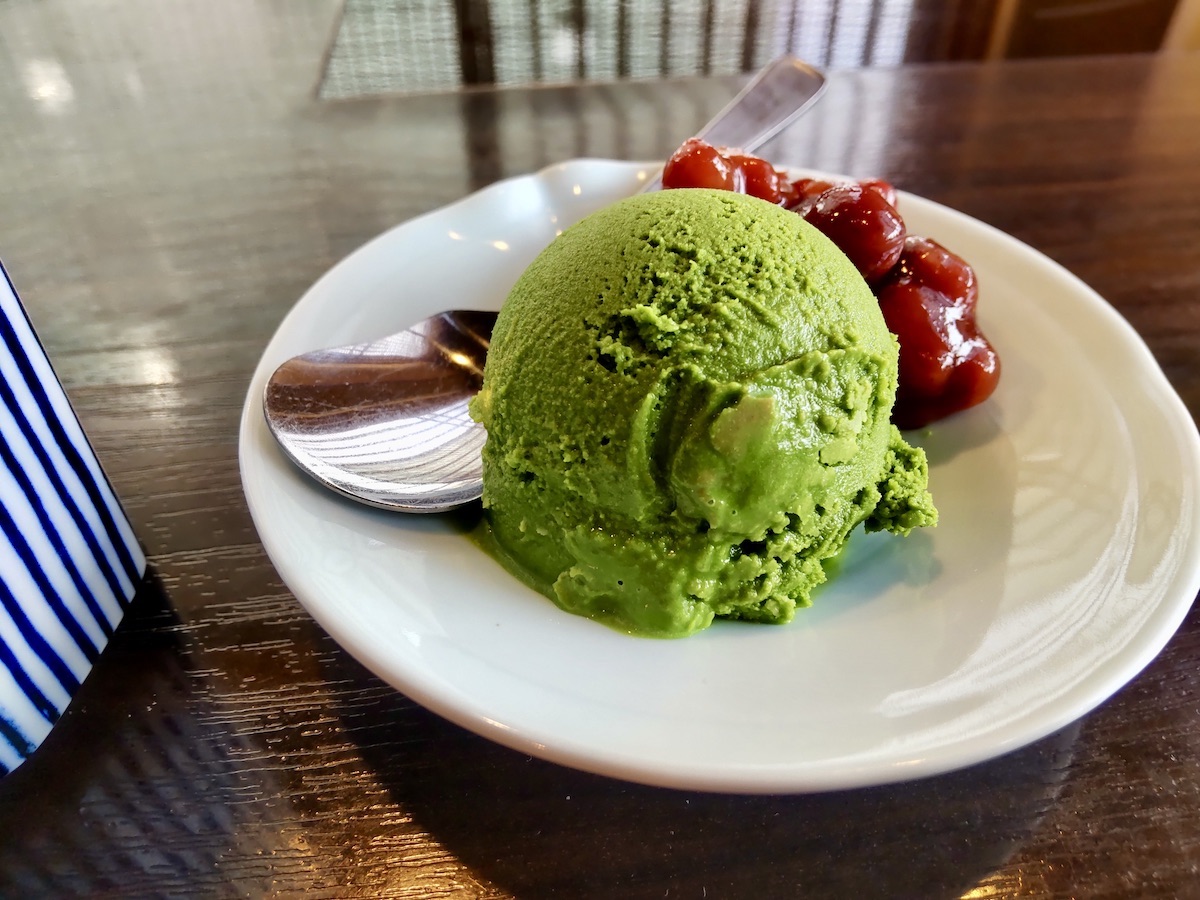
The restaurant takes great pride in its ingredients and tableware. Beautiful tableware enhances the flavor of any dish and brings a sense of joy to the dining experience. They use custom-ordered Minoyaki pottery for their dishes and source their premium matcha from Uji, Kyoto. When you visit, please take a moment to enjoy these beautiful details as well.
Where to Find Them
Kagonoya has locations across Japan, including several in Tokyo, mostly in suburban areas, though some branches are also within walking distance of stations.
Denny’s
Denny’s in Japan is a relaxed family restaurant where you can enjoy a wide variety of affordable meals in a comfortable and easy-going atmosphere. It is one of the most popular “family restaurants” in Japan, providing high-quality meals at very reasonable prices.
Atmosphere & Interior
The iconic yellow and orange logo looks just like the ones in the United States, making the restaurant easy to spot. While the interior vibe varies by location, many branches have recently renovated to a modern and simple design.
Denny’s offers a variety of seating options to suit your needs. If you are dining alone, you can choose a counter seat for privacy or request a table seat if you prefer a more open and spacious view. The staff will not seat you at the counter without asking first, so please feel free to let them know your preference.
How It Works
-
Enter: When you enter, use the touch-screen terminal near the entrance to get a seating ticket. The staff will call your number and lead you to your table.
-
Order: You can browse the physical paper menu at your table, then enter your order into the touch-panel tablet. The digital menu is also available on the tablet.
-
Eat: Most locations offer a “Drink Bar,” where you can enjoy unlimited refills of various coffees, teas, and juices for a set price. Water and hand towels are provided free of charge, but you need to get them yourself.
-
Pay: Take your bill to the cashier. Credit cards are accepted.
Menu Highlights
I highly recommend trying the morning sets and desserts at Denny’s.
Morning Sets
The breakfast menu features a fantastic variety, ranging from traditional Japanese-style meals to classic Western options like pancakes and eggs. It offers a peaceful and relaxing way to start your day.
The most impressive part is the affordability. For example, you can enjoy the “Select Morning” plate, which includes eggs, vegetables, sausage, and your choice of bread—plus unlimited refills at the drink bar—all starting from only ¥715 (approx. $4.4 / €3.8).
Important Morning Menu Info:
Please note that these budget-friendly morning sets are available only from 6:00 AM to 11:00 AM. Since availability may vary by location, it’s a good idea to check the official site before your visit to confirm if your specific branch offers the breakfast menu.
Danish Bread French Toast
The Select Morning offers a great variety of sides to accompany your main plate. You can choose from different types of bread or even swap them for pancakes, French toast, or a traditional set of rice and miso soup.
My absolute favorite is the Danish Bread French Toast. Denny’s uses its own original Danish bread to create this dish. It is never dry or overly soft; instead, the texture is perfectly balanced with a fragrant, crispy golden crust on the outside.
The Danish bread itself is delicious. I highly recommend it to anyone who, like me, prefers a slightly firmer texture with a nice bite rather than a French toast that completely melts in your mouth.
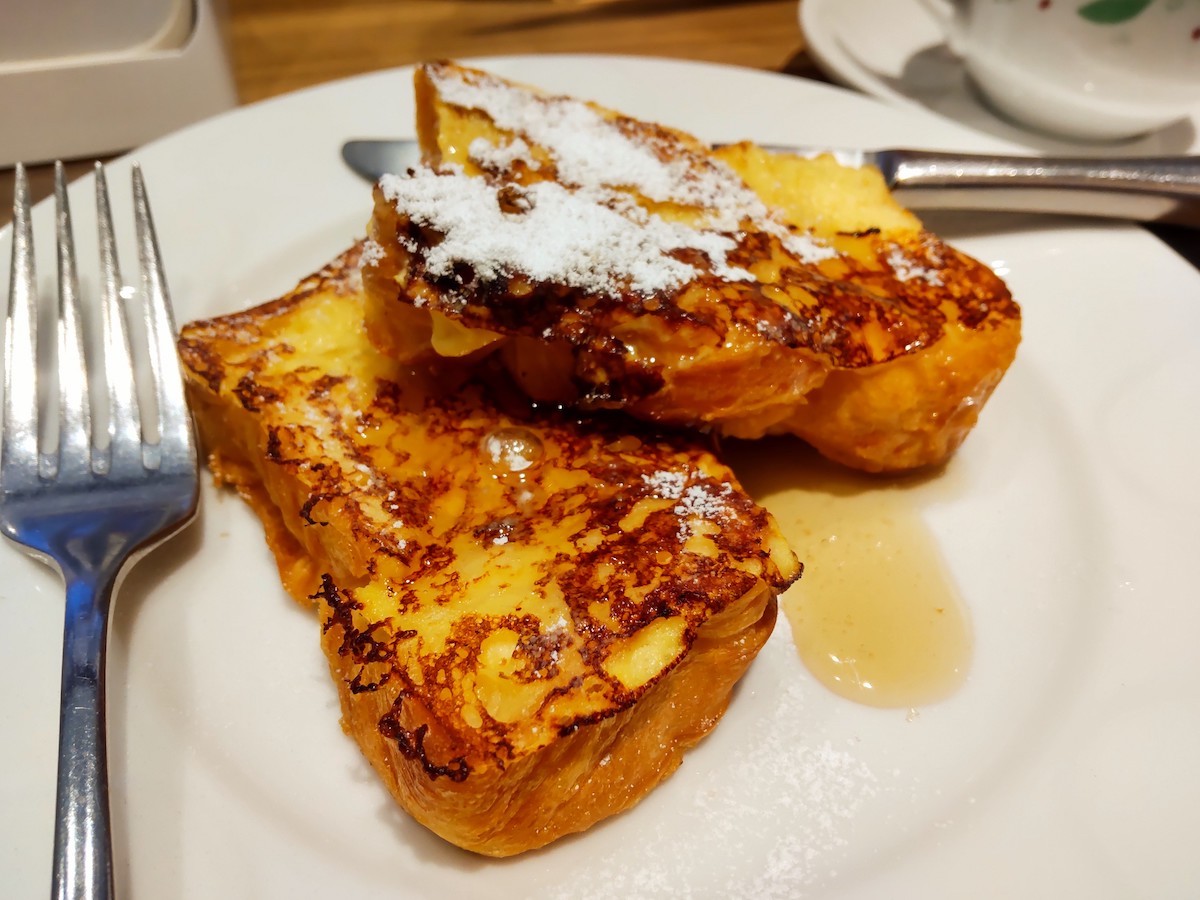
Note that the Danish Bread French Toast is available all day long. It is priced at ¥638 (approx. $3.9 / €3.4) for four pieces, or ¥583 (approx. $3.6 / €3.1) for a half portion.
Sunny-Side Up Toast
For those who prefer a lighter breakfast, I recommend the Light Morning set.
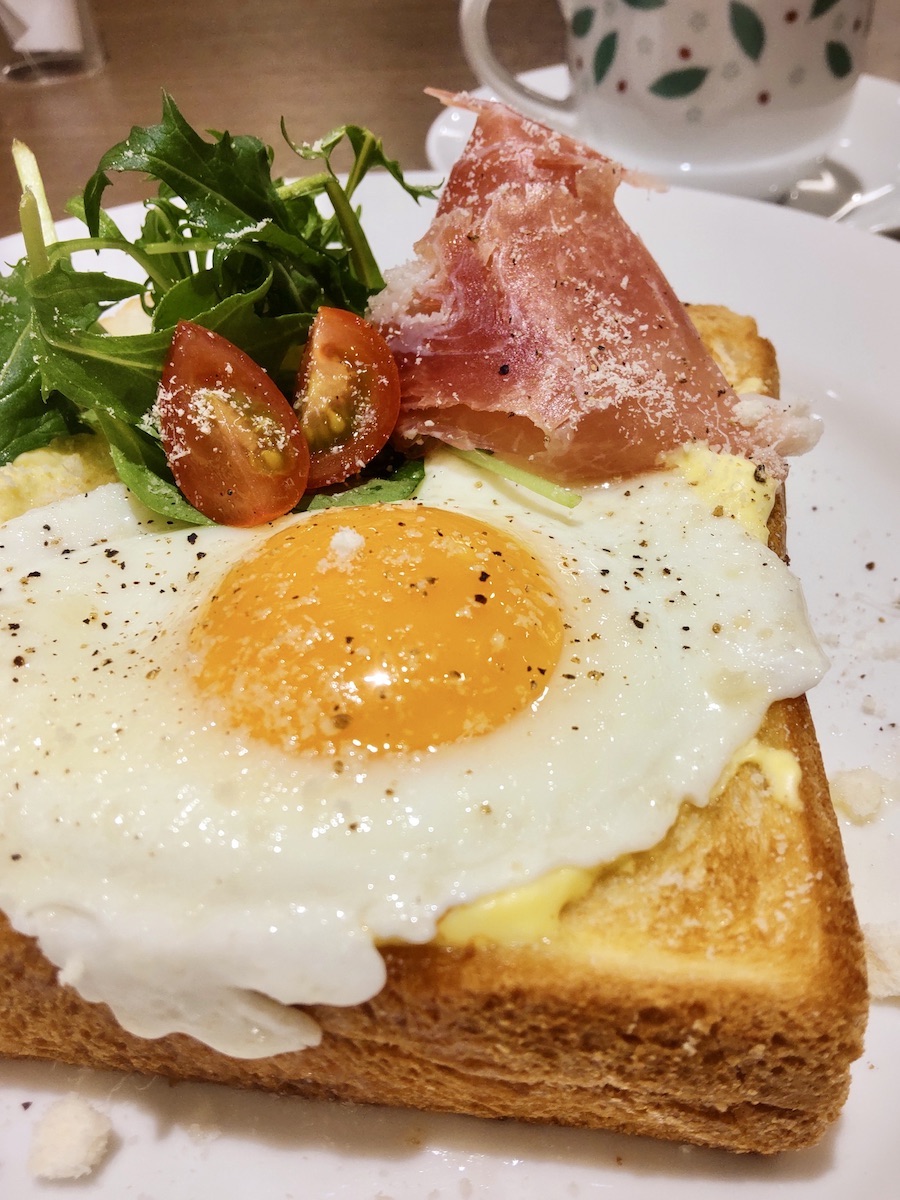 This dish features golden-brown toast topped with egg paste, a sunny-side-up egg, prosciutto, and fresh vegetables, all finished with a sprinkle of Parmesan cheese. Every bite is packed with flavor, and I found myself finishing the whole thing in no time.
The Sunny-Side Up Toast set, which includes access to the drink bar, is priced at ¥649 (approx. $4.0 / €3.5).
If you are looking for something even smaller, there is another option featuring original stone-oven bread served with vegetables and prosciutto. This smaller set also comes with the drink bar and costs only ¥495 (approx. $3.0 / €2.7), though the portion size is lighter than the toast. However, you can easily add items like yogurt or soup to your meal, so I recommend this option for those who enjoy trying a little bit of everything. On the other hand, there are also more filling options if you have a larger appetite.
Denny’s Americano
At Denny’s in Japan, there used to be a service where staff would come around and refill your coffee at the table. Today, however, most locations have switched to a drink bar system, where espresso-based drinks have become the norm. In response to customers who missed the lighter, more traditional drip coffee of the past, pots of drip coffee have been introduced at the drink bars.

Unlike a heavy espresso, it has a light and fruity scent that feels deeply refreshing. For me, it is similar to the difference between tea: while a rich matcha is a treat, a light sencha is something you can enjoy cup after cup. Sometimes, the inviting aroma of coffee drifts toward you as you approach Denny’s.
Whenever I visit, I find myself choosing this coffee every time.While it is now self-service, it’s a great option if you’d like to enjoy a few cups. The best part is being able to choose based on your mood, but I especially recommend the aromatic Americano-style drip coffee at Denny’s.
Desserts
Denny’s also offers an impressive selection of desserts that change with the seasons. You can always find a variety of parfaits featuring fresh, seasonal fruits. These parfaits come in several different sizes and preparations, so you can choose anything from a light snack to a grand, decadent treat.
Of course, the year-round menu is also excellent. Above all, my personal favorite is the Garden Pancakes.
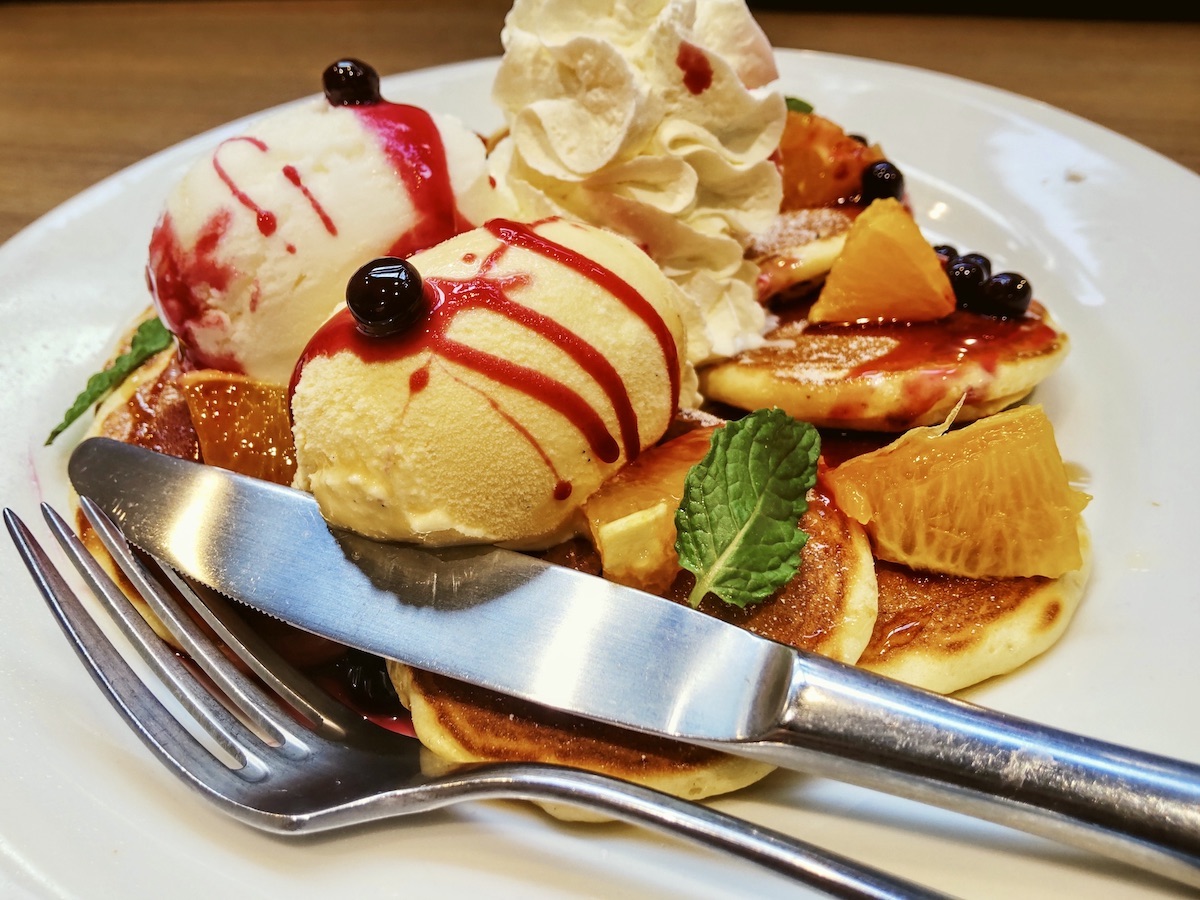
This delightful dish features eight small, freshly baked pancakes topped with fresh orange wedges, ice cream, whipped cream, blueberries, and a sprig of mint, creating a colorful presentation. This is priced at ¥1,496 (approx. $9.1 / €8.0), and a half-size version is also available if you prefer a smaller portion.
There is something truly special about taking a big bite of warm pancakes combined with cold ice cream and sweet-and-sour fresh orange. It is a moment of pure happiness.
Where to Find Them
Denny’s has many locations throughout Tokyo, often near train stations, making it a convenient option for breakfast or a casual meal during your stay.
Sushi Misaki
Sushi Misaki is a sushi chain where chefs prepare each piece to order, offering fresh, high-quality sushi in a simple and efficient dining style. A standout feature of their sushi is the shari (sushi rice), which the chefs season with red vinegar made from sake lees aged for over two years. This process gives the rice a distinctive reddish hue, similar to the high-quality rice you would find at luxury sushi restaurants.
The Misaki series offers two styles: conveyor-belt sushi and order-based dining. This time, we’re introducing “Sushi Misaki,” where all sushi is prepared by skilled chefs. While “Kaiten Sushi Misaki” is a conveyor-belt style sushi restaurant, some locations also have chefs preparing sushi by hand. There also appear to be several other locations with different concepts. There also appear to be several other locations with different concepts, so be careful as their names can be quite similar.
Atmosphere & Interior
The storefront usually features Japanese signage and traditional noren curtains at the entrance. Inside, you will find a bright, modern Japanese atmosphere with light-colored wooden furniture. Some locations offer counter seating where you can see fresh ingredients on display.
How It Works
-
Enter: Depending on the size of the restaurant, a staff member or sushi chef will greet you and confirm the number of people in your party. If you are dining alone or in a small group, they may guide you to a counter seat, which is ideal if you want to watch the chefs skillfully prepare sushi in front of you.
-
Order: Scan the QR code at your table with your smartphone to open the dedicated ordering page. For security, enter a four-digit PIN to prevent accidental orders. Alternatively, menus are available on the walls or as physical menu booklets at the table.
-
Eat: Japanese green tea is provided free of charge and brought to your table. If you prefer not to drink green tea, request water instead. Each table also has a container of pickled ginger (gari) with tongs, so you can take as much as you like to enjoy with your meal.
-
Pay: Take your bill to the cashier near the exit. Scan the barcode on your bill at the self-checkout machine to start payment. Major credit cards are accepted.
Menu Highlights
I mainly visit this restaurant when I want to treat myself. While you can find sushi at supermarkets or other conveyor-belt chains, the texture of sushi freshly prepared on the spot is completely different. Although the shari holds its shape perfectly, it becomes incredibly light and airy the moment you take a bite, blending seamlessly with the toppings.
A la Carte Sushi
While the weekday lunch sets offer great value, I highly recommend checking the daily specials. The shop frequently serves fresh, seasonal ingredients and featured dishes prepared with unique techniques, providing a diverse variety of flavors each day.
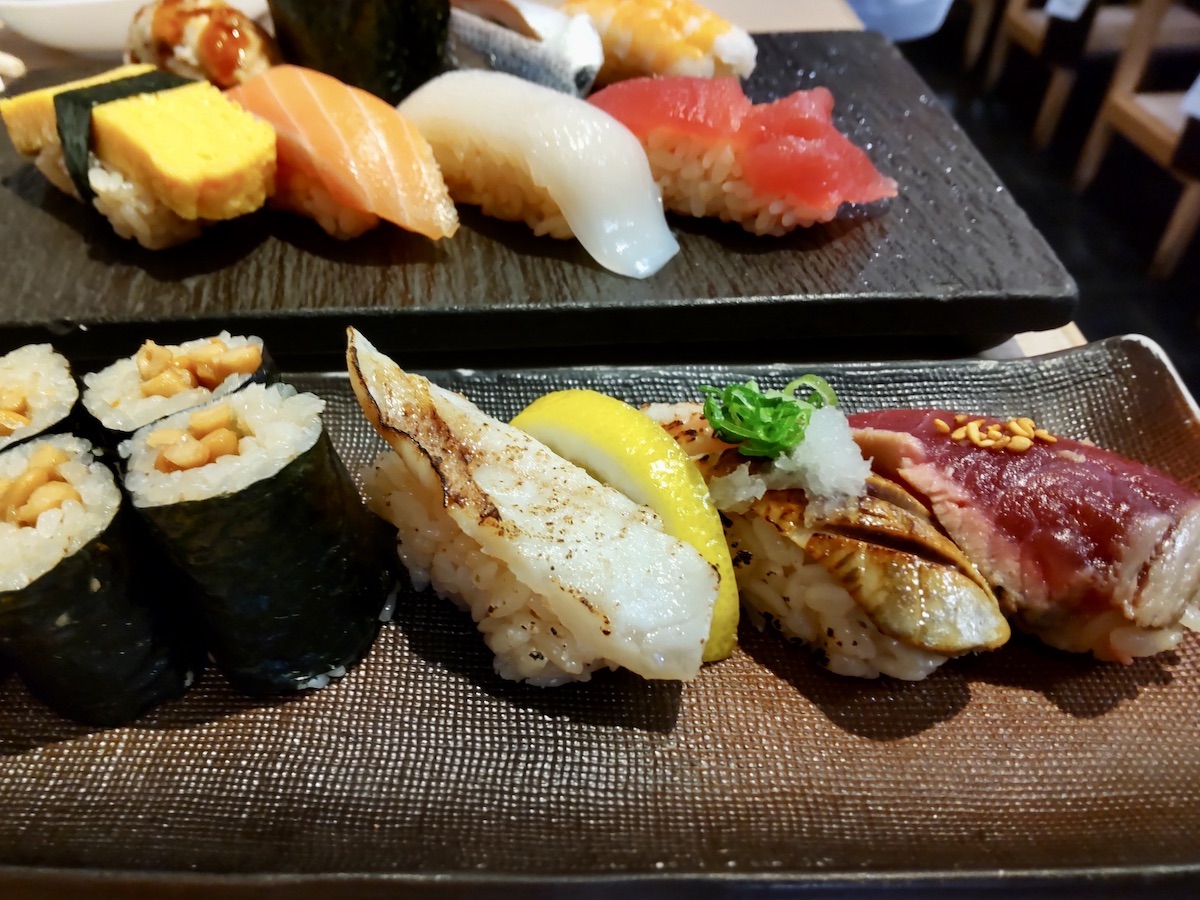
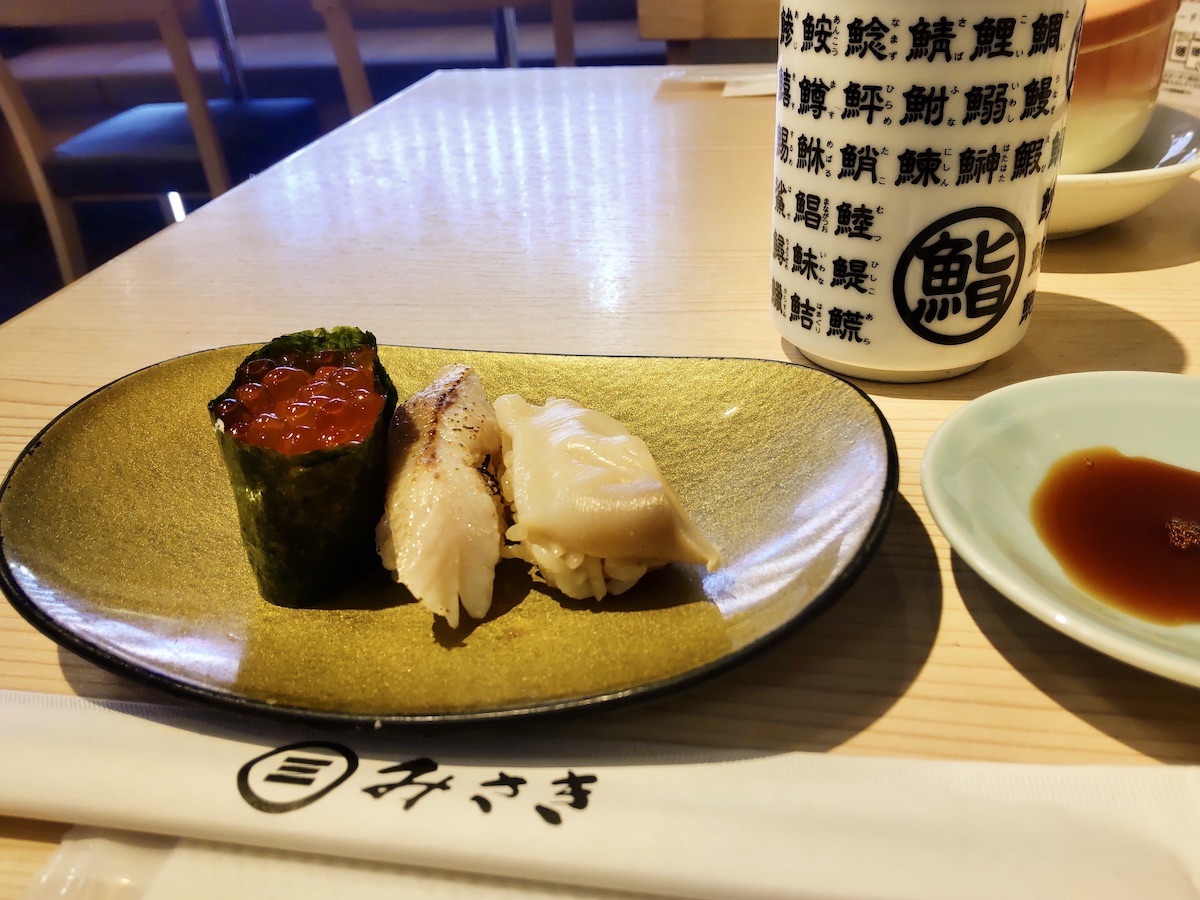
In the background, you can see the weekday lunch set, which includes eight pieces of sushi and miso soup for around ¥1,000 (approx. $6.1 / €5.4). The sushi in the foreground is from the à la carte menu. During my visit, they were running a Hokkaido fair, and I had the chance to try herring (nishin) and sailfin poacher (hakkaku)—rare delicacies that I don’t usually get to eat. The flame-seared herring was topped with grated daikon radish, while the flame-seared sailfin poacher was served with a fresh slice of lemon.
Sushi Without Soy Sauce
For fatty fish, the menu often features the “aburi” (seared) style of preparation. When the chefs sear the fish, a wonderful savory aroma fills the restaurant. As I took a bite, a rich, toasted flavor unique to seared fish spread across my palate, making me let out a quiet sigh of satisfaction.
While sushi is typically enjoyed with soy sauce, I was encouraged to try some pieces with salt or ponzu (a citrus-based soy sauce) instead.
For the pieces served with grated daikon radish, I used the ponzu sauce on the table. I found that its citrusy, savory flavor paired well with the daikon’s natural sweetness, adding a refreshing layer that complemented the fish perfectly. The lemon-topped pieces were already lightly salted, and when I squeezed fresh lemon over the flame-seared fish, it created a completely different experience—the citrus cut through the rich oils while preserving the fish’s natural taste.
Adding these uniquely seasoned pieces in between traditional soy sauce–dipped sushi made the whole meal feel even more satisfying. I’d highly recommend giving it a try.
Order by the Piece
Standard menu items start at an affordable ¥99 (approx. $0.6 / €0.5) per piece. As the ingredients become rarer and more specialized, the price increases accordingly. However, since you can select exactly what you like one piece at a time, you can easily manage your meal to stay within your budget.
I highly encourage you to try the daily specials listed on the menus inside the shop on the day of your visit.
A Note on Menus and Prices:
While the official website primarily features “Kaiten Sushi Misaki,” you can find more accurate price references for “Sushi Misaki” by checking recent menu photos uploaded by users on Google Maps. For the freshest seasonal delicacies, always check the handwritten posters inside the shop—they often feature daily specials that aren’t listed online.
More Than Just Raw Fish
Since my son isn’t fans of raw fish, he enjoyed items like boiled shrimp, tamagoyaki (rolled omelet), natto rolls, and steamed conger eel.
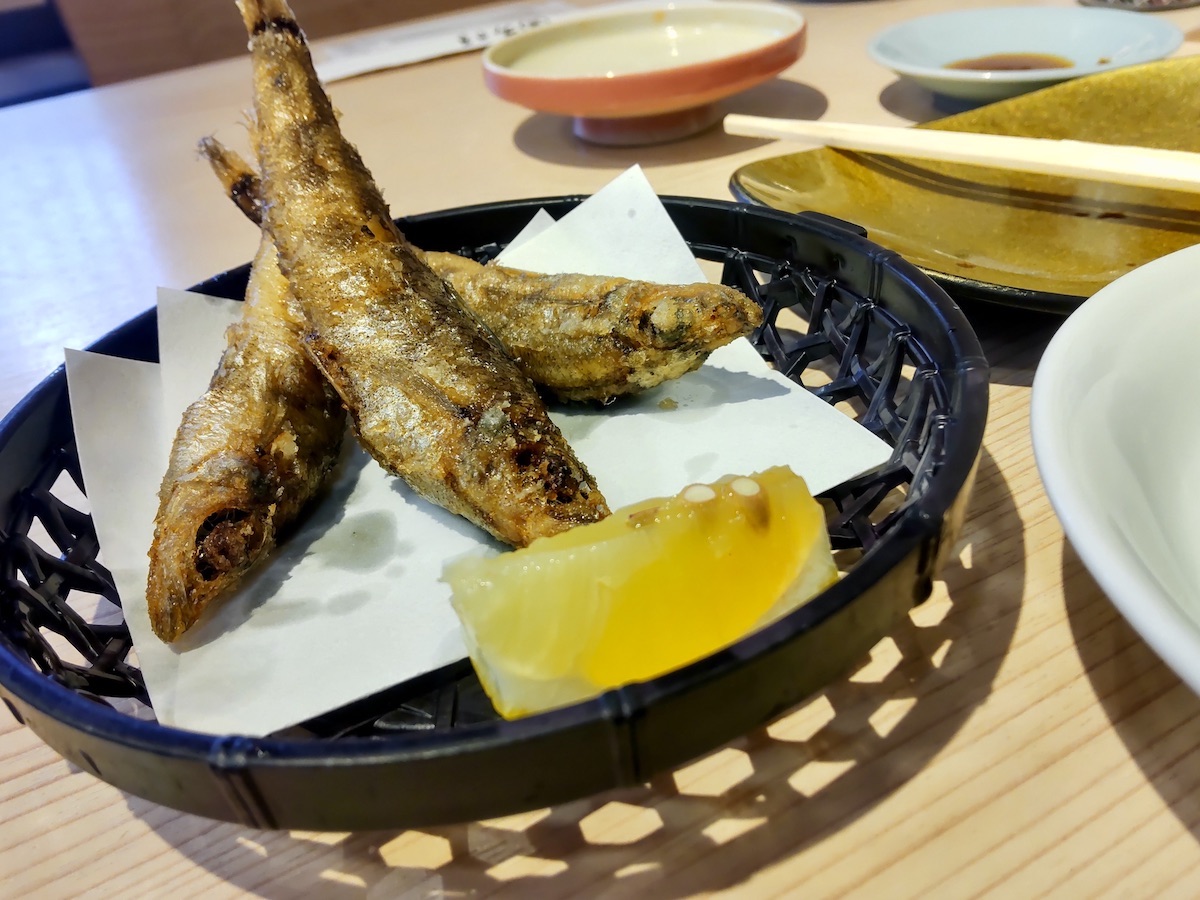
You can also find a variety of side dishes, such as fried fish, deep-fried octopus, and chawanmushi (savory steamed egg custard). The savory dashi-based egg custard features ingredients like shrimp, chicken, and scallops, allowing you to savor each distinct flavor. A topping of fresh mitsuba (Japanese wild parsley) provides a perfect accent. Especially in winter, this piping hot, silky chawanmushi gently warms your body from the inside.
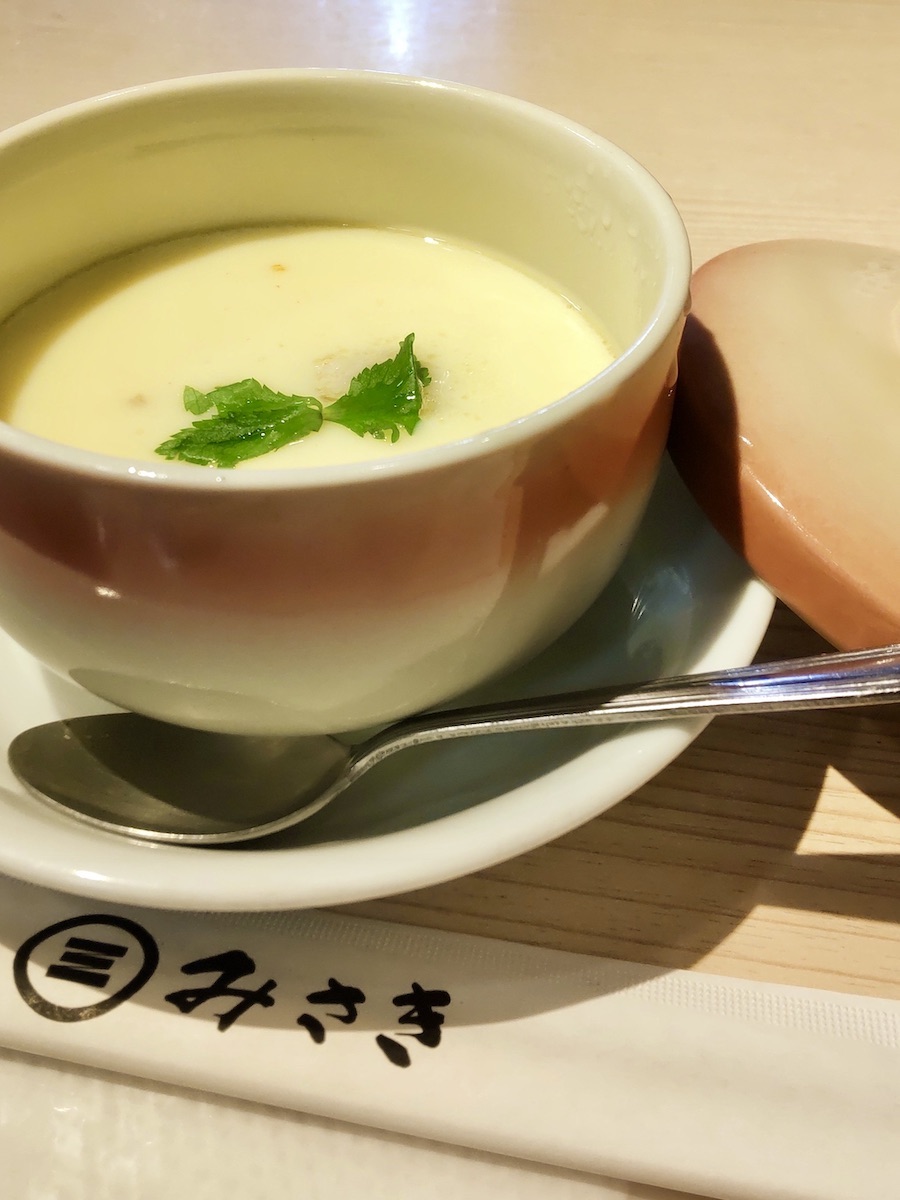 Sharing a delicious meal with my son while saying “this is delicious” and eating carefully to avoid the heat felt like a moment of pure bliss. Those simple conversations we had over the steaming food made the experience truly special.
These options ensure that even those who prefer not to eat raw fish can fully enjoy the sushi dining experience. Keep an eye out for daily specials announced inside the shop that may not appear on the official website—they are definitely worth a try.
Where to Find Them
Sushi Misaki has several locations in Tokyo, many of which are conveniently located near train stations, making it an easy option for a casual sushi meal.
Pro Tip for Finding the Right Shop:
The official store locator is available only in Japanese, but you can easily navigate it using your browser’s translation feature. To ensure you find a location where skilled chefs hand-press each piece, be sure to select the “expertly prepared sushi” option in the filter before starting your search.
Good to Know Before You Go
At these casual restaurants in Japan, you typically need to check in by taking a numbered ticket from a kiosk or writing your name on a waiting list at the entrance. If you simply wait without signing in, the staff will never call you to your table. On the other hand, if the shop is not busy, a staff member will approach you immediately and guide you straight to your seat before you even need to get a numbered ticket.
While most restaurants now ask you to order via a tablet or smartphone at your table, you can always ask the staff to take your order manually if you find the system confusing. If there is a button on the table, simply press it; otherwise, you can catch a staff member’s attention directly, and they will assist you.
Many digital menus allow you to switch the language to English. If that option is unavailable, try using the Google Translate camera feature on your smartphone to translate the screen in real-time.
Conclusion
While Japan is often associated with high-end dining and traditional restaurants, everyday meals at local chains are also an important part of daily life. Chains like Kagonoya, Denny’s, and Sushi Misaki show how people in Japan enjoy simple and familiar meals.
For travelers looking for convenient and budget-friendly options, these restaurants are worth keeping in mind. Sometimes, the most memorable meals come from everyday dining experiences.
Recommended For:
• Travelers who want to experience everyday dining in Japan beyond tourist-focused restaurants
• Visitors looking for affordable, reliable, and easy-to-navigate meal options
• Solo travelers, couples, or families seeking casual and comfortable dining spots
• First-time visitors who may feel unsure about ordering or restaurant systems in Japan
• Food lovers interested in trying a variety of Japanese dishes in a stress-free setting
See more Tokyo spring dining experiences below:
3 Scenic Restaurants in Tokyo with Beautiful Spring Greenery
Explore another Japanese food experience below:
Japanese Food Experiences: Hot Pot, Bento, Cakes, and Eel Rice Bowls
Information
Information, prices and exchange rates are current as of my visit but may change. Please check official sites.
Kagonoya
Weekday lunch time
Ranman Bento – ¥2,200 (approx. $13.9 / €11.9)
Matcha ice cream – ¥330 (approx. $2.1 / €1.8)
Drinks – From ¥200 (approx. $1.3 / €1.1)
– Official website (Japanese Only)
You can often read the content easily using your browser’s built-in translation feature.
Denny’s
6:00 AM to 11:00 AM
Select Morning(Includes Drink Bar)
– ¥715 (approx. $4.5 / €3.9)
Sunny-Side Up Toast set(Includes Drink Bar)
– ¥649 (approx. $4.1 / €3.5)
Morning Drink Bar (Single)
– ¥352 (approx. $2.2 / €1.9)
After 10:30 AM
Garden pancakes – ¥1,496 (approx. $9.4 / €8.1)
Garden pancakes (Half) – ¥693 (approx. $4.4 / €3.7)
After 11:00 AM
Drink Bar (with meal purchase) – ¥451 (approx. $2.8 / €2.4)
– Official English website
Sushi Misaki
Sushi (per piece)
– From ¥99 (approx. $0.6 / €0.5)
Seasonal Sushi (per piece)
– From around ¥300 (approx. $1.9 / €1.6)
Weekday lunch set (8 pieces+ miso soup)
– Around ¥1,000 (approx. $6.3 / €5.4)
The official website is only available in Japanese, but you can easily browse it using Google Chrome’s translation feature. You can further refine your search by choosing a specific brand and location. If you’re looking for restaurants where chefs hand-press each piece of sushi, make sure to select the “expertly prepared sushi” option before searching.
– Official Store Locator