Last Updated on September 19, 2026
Disclosure: This article may contain affiliate links.
On a bright summer day, I took a day trip from Tokyo to the hot spring town of Atami. In this guide, I’ll show you how to enjoy Atami beyond the usual sightseeing, from fresh local seafood to historic shrines and the small cultural moments that make the town special.
Atami is one of the easiest and most rewarding day trips from Tokyo, offering a relaxed mix of seaside scenery, local food, and traditional culture—all within a short train ride. It’s especially suitable for travelers looking for a relaxed day trip from Tokyo with minimal planning.
In this guide, you’ll find:
- How to get to Atami and choose the best train for your trip
- What local food to try, including fresh seafood
- Easy ways to get around the town
- How to visit a shrine and understand purification rituals
- Where to relax and enjoy Atami’s seaside atmosphere
About this trip:
| Route | Tokyo Station to Atami Station |
| Travel time | About 1 hr 20 min (one way) |
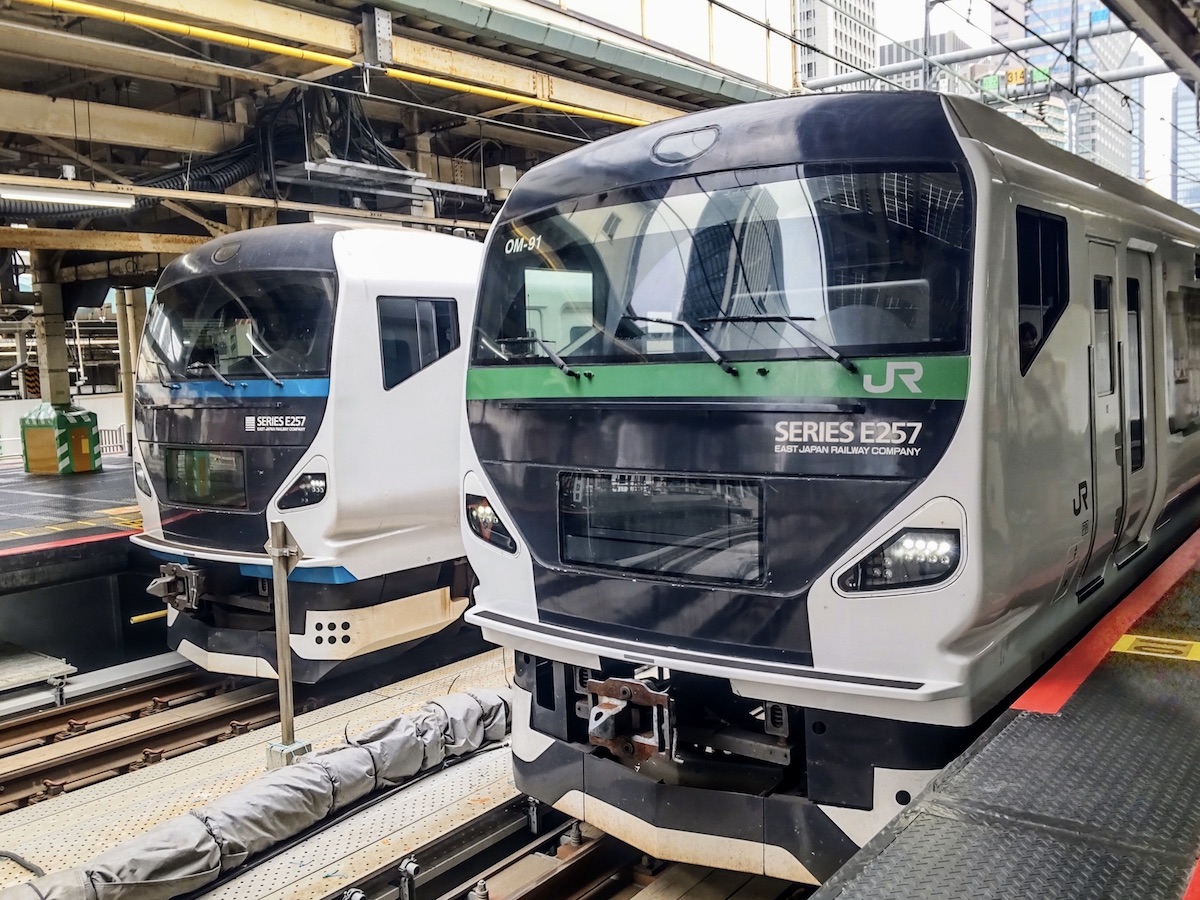
| Train | Limited Express Odoriko (Upgraded to Green Car) |
| One-way fare | ¥5,830 (approx. $36.0 / €31.6) *Price includes the basic fare, limited express ticket, and Green Car surcharge. |
Tokyo to Atami by Train
Atami is an easy day trip from Tokyo, with the journey taking about 1 hour and 20 minutes by Limited Express Odoriko. Atami is an onsen town on the eastern coast of the Izu Peninsula in Shizuoka Prefecture. Around 1970, Atami boomed as a popular destination with the opening of the Shinkansen bullet train. Although its popularity dipped for some time, it’s still a favorite hot spring town. Lately, its nostalgic, retro vibe has started attracting young people again. This time, we traveled there on the Limited Express Odoriko.
Tokyo Station Breakfast
I met my friend at Tokyo Station to kick off our trip. We’d had a light breakfast at home, but I still wanted to get into the travel mood. So, to get into the travel mood, we grabbed breakfast at the station first. We had coffee and pastries at a bakery café called BURDIGALA, just a short walk from the Odoriko train platform near the Gin no Suzu (Silver Bell).
Having breakfast with my friend while watching rows of delicious-looking bread and travelers passing by was such an exciting experience. After that, we picked up some snacks for the train ride. I chose sweet-and-salty karintō, while she went for tiny Oinari-san (Inari sushi).
Japanese Snack Guide
Karintō is a Japanese snack made from flour and sugar, fried until crispy, and coated with a sweet syrup. These days, you can find all kinds of flavors.
As for Inari-sushi, it’s vinegared rice stuffed into sweet and savory cooked tofu pockets. Fun fact: it’s named after the fox, the messenger of the Inari deity, which is said to love fried tofu. ‘-san’ is an honorific suffix added after a name to show respect. In the case of ‘Oinari-san,’ it is used because the name comes from a deity, so people use it both to show respect and to express affection. On the other hand, deep-fried tofu simmered in a sweet sauce is also called “Kitsune” (fox).
Both make perfect train-trip snacks, so I’ll include this information in the info section.
Limited Express Odoriko
The limited express takes about 1 hour and 20 minutes to reach Atami. While the Shinkansen bullet train Kodama also stops there, we took the limited express only for the outbound trip to enjoy a slower, more relaxed journey. To ensure a comfortable experience, we decided to upgrade to the Green Car, which offers one class above regular seating.
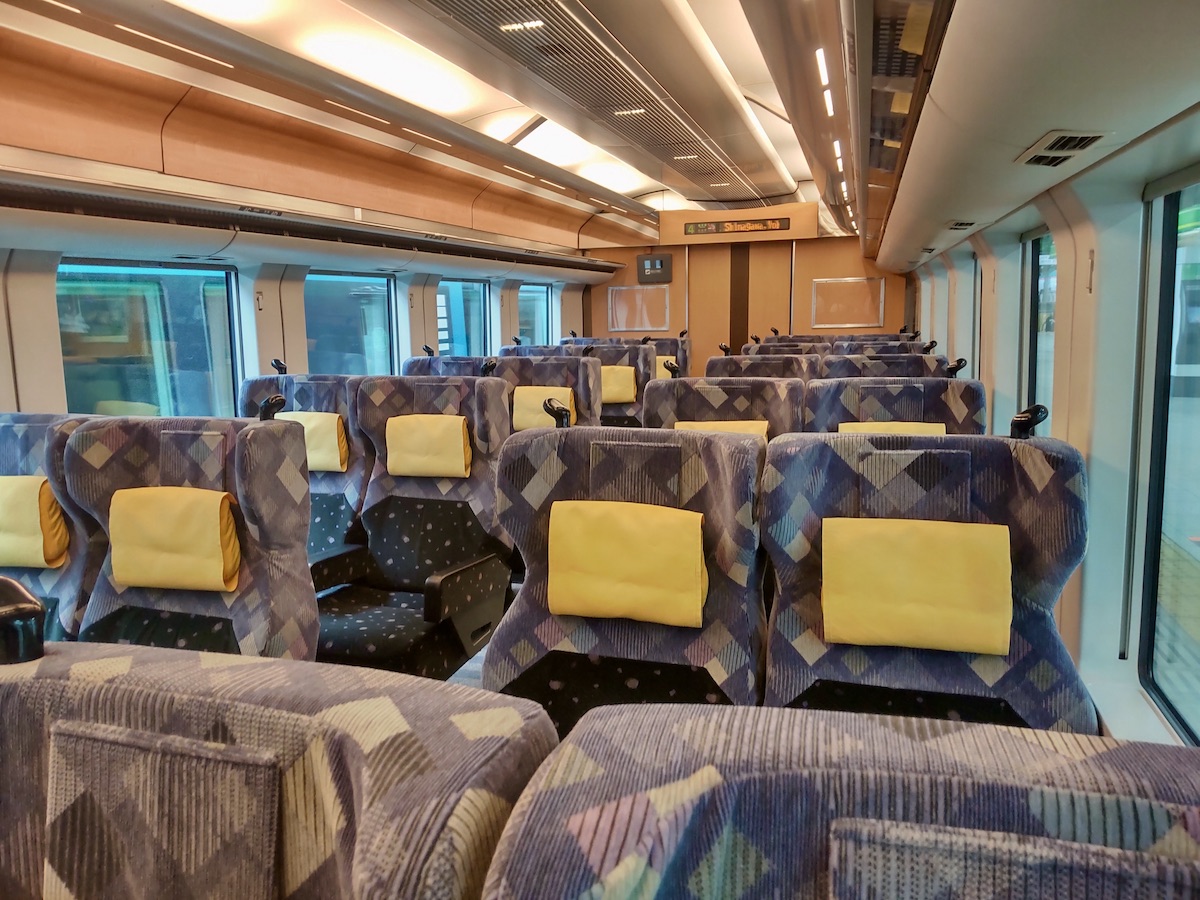
During the ride, we chatted and enjoyed the ever-changing scenery. Although I usually enjoy driving, sometimes it feels wonderful to just relax in your seat and let someone else take you there. As we near our destination, the ocean comes into view on the left, adding a beautiful touch to our journey.
A Note on the Train Seats
The seats looked quite large and came with cushions, but after doing some research, I found that there are now newly updated train cars available. The train we boarded was the one with the green stripes, which turned out to be an extra service with a more vintage interior. Even though it’s called an ‘extra’ service, it seems these trains run quite frequently. The newer blue-striped trains apparently have power outlets at every seat. If you’re wondering which color you’ll get, check the seat amenities during booking. If you see a ‘power outlet’ icon, it’s likely the updated blue train.
And there is also a special train called the Saphir Odoriko, which is completely different from this series. I rode it with my mother, so I’ll share it with you someday.
Choosing Your Train Car
When booking the Limited Express Odoriko, look for the “power outlet” icon on the reservation screen. The newer blue-striped trains (E257 series) are equipped with outlets at every seat, which is perfect for keeping your devices charged. The green-striped vintage trains are charming but may not have these modern amenities, so choosing based on your needs will ensure a smoother journey.
Getting Around Atami
Atami Station is located on the mountainside, so you have to go down a slope to reach the city center.
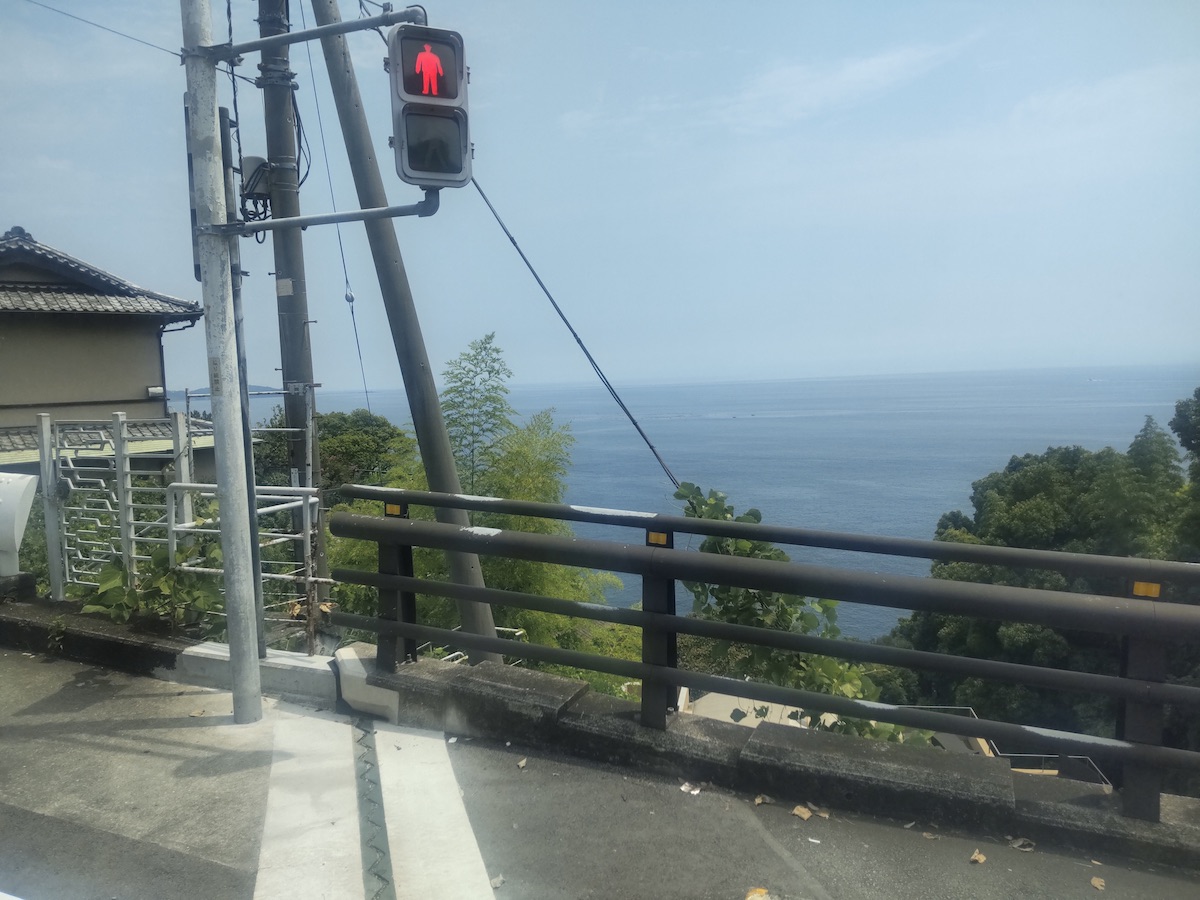
We took the bus, but it was tough because, even though it was hot, the air conditioning wasn’t working. I think it was just bad luck, but I’d recommend keeping taxis in mind as an option just in case. There are plenty of shops along the slope, so if the weather is nice, walking down can be a pleasant option.
Seafood Rice Bowl Lunch
We finally arrived at Masaru, our planned lunch spot. Since we were in a seaside town, we definitely wanted to enjoy some fresh fish. The restaurant was already open, and even though it was a weekday, it was completely full. While we were waiting outside in the heat, one of the staff kindly gave us a bag of ice, which helped us cool down.
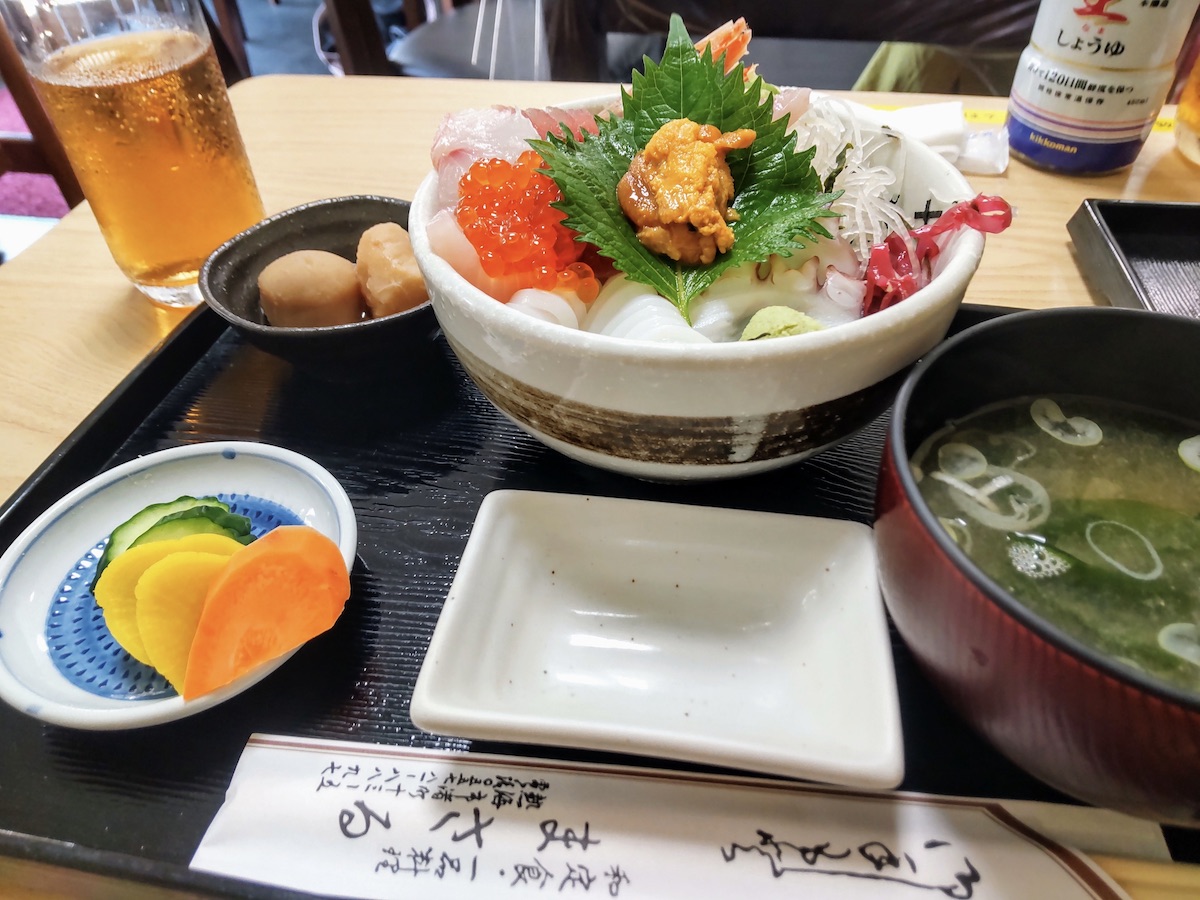
Since we had already decided what to order while we were waiting, we placed our order as soon as we stepped inside. What we ordered was a Kaisen-don, a seafood rice bowl with a generous variety of toppings. Between the bites of fresh sashimi, I enjoyed miso soup with a rich fish broth, pickles, and simmered potatoes. Thanks to these side dishes, I was able to keep eating at a comfortable pace and enjoy everything.
Transport Tips
After having lunch, we headed to Kinomiya Shrine. We were still a bit far from the shrine after lunch, so we waited for the bus. But when it seemed like the one we needed wasn’t coming, we decided to call a taxi using an app. It was an extremely hot day, so that turned out to be a great choice. A taxi with nice, cool air-conditioning arrived to pick us up. I used the GO app, but Uber also works for calling taxis in Japan, so it’s reassuring to have it as an option.
Navigating Atami’s Slopes
Atami is a town of steep hills, and walking from the station to the seaside can be tiring, especially in the summer heat. While local buses are available, using a taxi app like GO or Uber is a great way to stay cool and save time. It allows you to call a car directly to your location, making transitions between the station, restaurants, and shrines much more comfortable.
At Kinomiya Shrine
Kinomiya Shrine is famous for its peaceful atmosphere and its sacred 2,000-year-old camphor tree, believed to bring good luck and long life. Visitors often walk around the tree to make wishes or pray for protection.
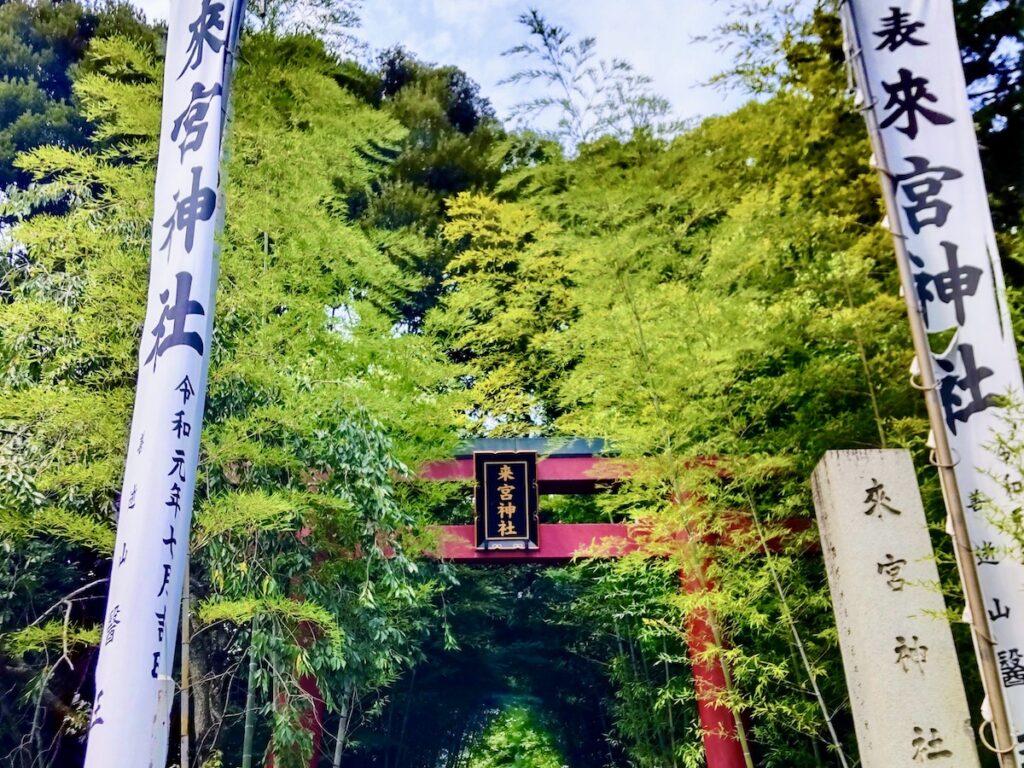
We purified our hands at the temizuya (water purification pavilion) before offering our prayers at the shrine. As we walked through the torii gates nestled in a bamboo grove, the air felt different—pure and sacred. After praying at the main hall, we stood before the sacred tree and were truly awestruck by its immense size.
You can find a temizuya at shrines and temples. Visitors let the running water fill the ladle and use it to rinse their hands and mouth. Most places use regular tap water. But you don’t have to force yourself to do it if you feel unsure about hygiene while traveling. Just keep in mind that shrines and temples are sacred places meant to be entered with a purified mind and body.
How to Use the Temizuya
Before approaching the main hall, visitors traditionally perform a simple purification ritual at the temizuya (water basin).
First, fill the ladle with fresh running water and pour some over your left hand, then your right. Next, pour a small amount of water into your left hand and use it to rinse your mouth. After rinsing your left hand once more, hold the ladle upright so the remaining water flows down the handle, symbolically cleansing it before you return it.
A few points of etiquette are worth remembering. Never place your mouth directly on the ladle, and do not pour used water back into the basin. The area around the basin is designed for drainage, so used water should be poured onto the ground beside it.
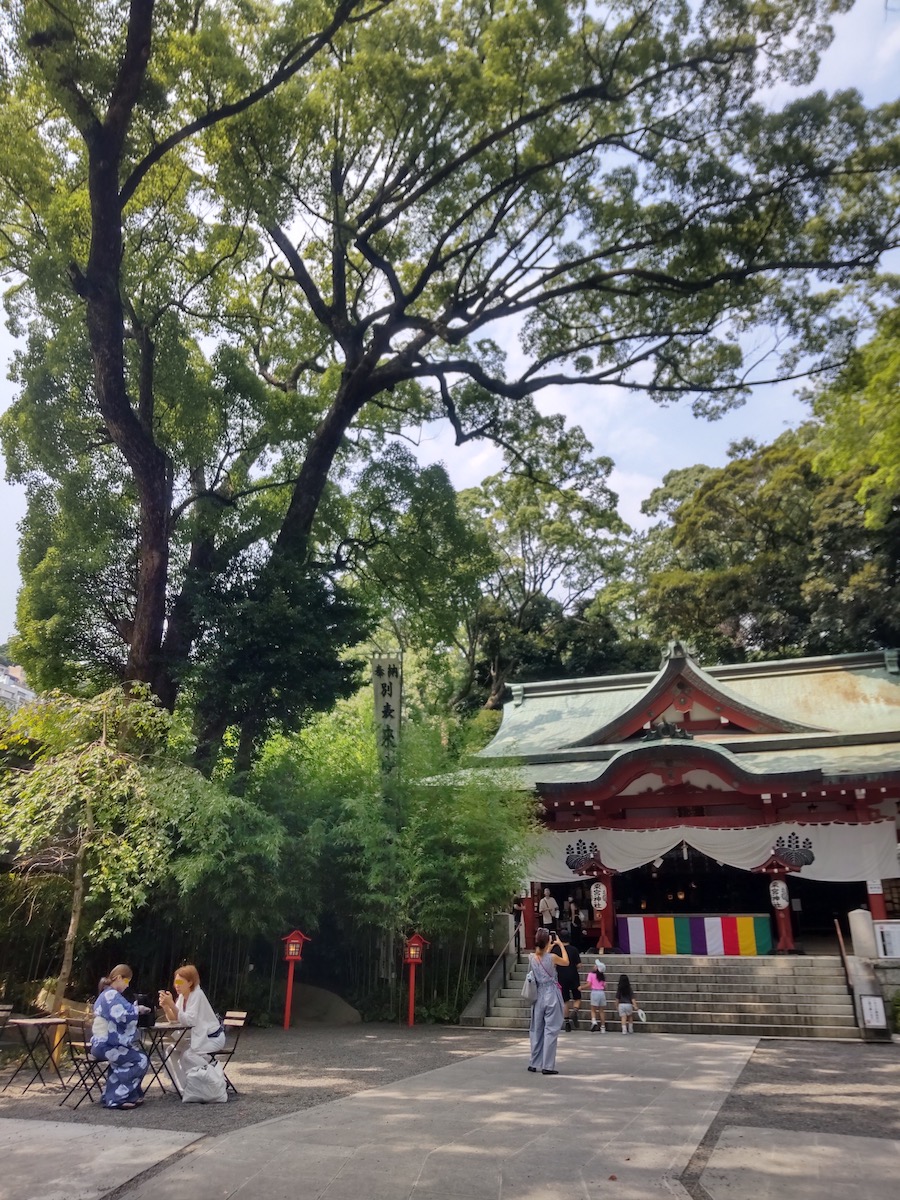
Kinomiya Shrine updated its facilities about ten years ago, and structures such as the amulet shop have a slightly more modern look. While we were looking at the camphor tree and getting our goshuin(shrine stamps), we heard thunder starting. We took temporary shelter in a building, then called a taxi to continue to our next stop.
Atami Korakuen Hotel
Next, we headed to the Atami Korakuen Hotel for a nice break. Aside from visiting cultural sites, you can enjoy a graceful and elegant moment here. It’s the perfect way to spend a special trip together.
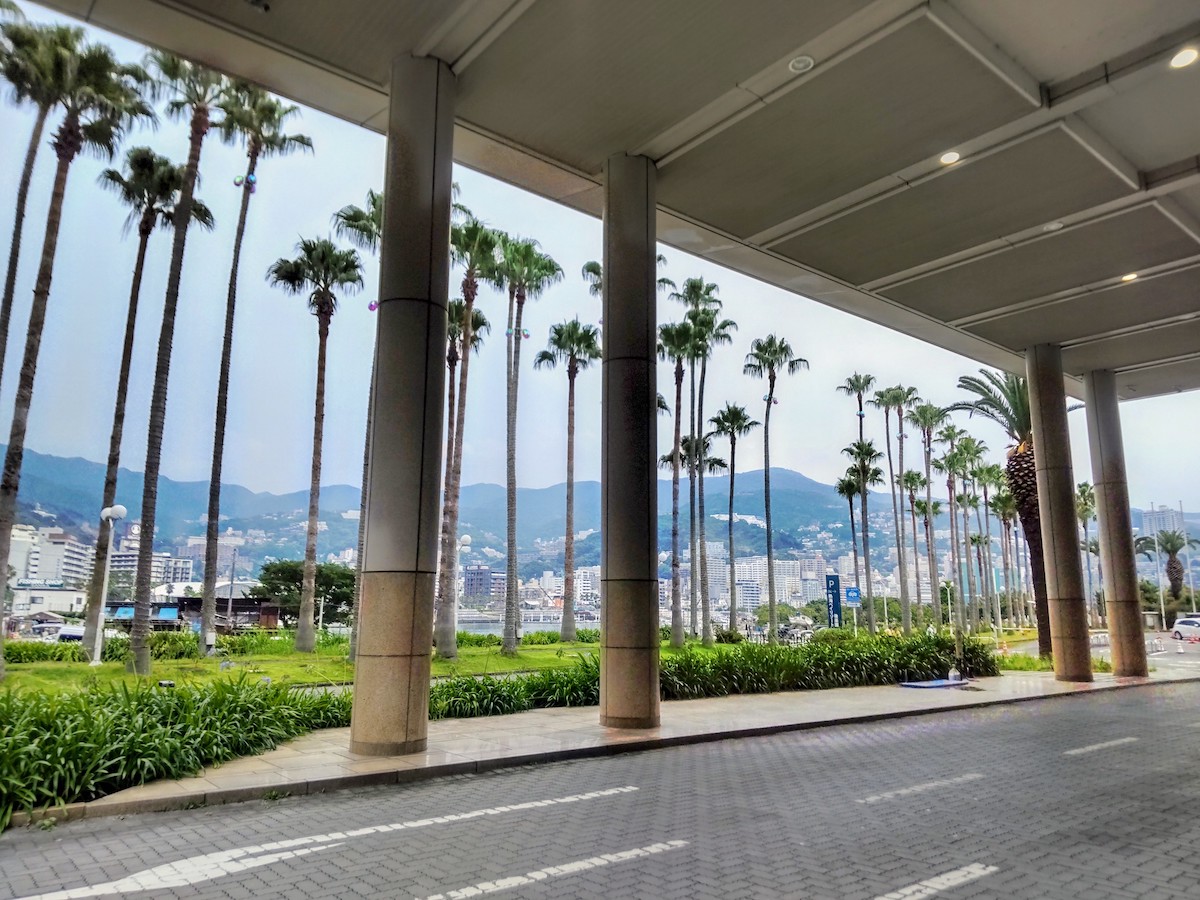
We were actually planning to visit the observation deck, but with the thunder making it unsafe, we wandered around the hotel instead. The hotel expanded about five years ago, adding Atami souvenir shops, sweets shops, and a hot-spring spa. It’s a wonderful place where you can enjoy exploring unique local specialties and charming resort-style boutiques.
 After checking out the local specialties, we stopped by a restaurant called HARBOR’S W. I got a pineapple granité, and my friend ordered a parfait made with Izu’s local green tea. The area around the hotel is a breakwater rather than a beach, but we had a great time chatting while watching the vast ocean.
Although the menu seems to have changed since our visit, they offer a variety of desserts made with local ingredients and even original craft beers. It’s a perfect spot to relax and soak in the seaside atmosphere.
Although we didn’t stay overnight, the hotel seemed like a comfortable place for a relaxing stay in Atami. If you’re considering a stay here, you can check the latest rates and availability below.
On Our Way Home
Although we felt reluctant to leave, it was time to return home to our waiting families.
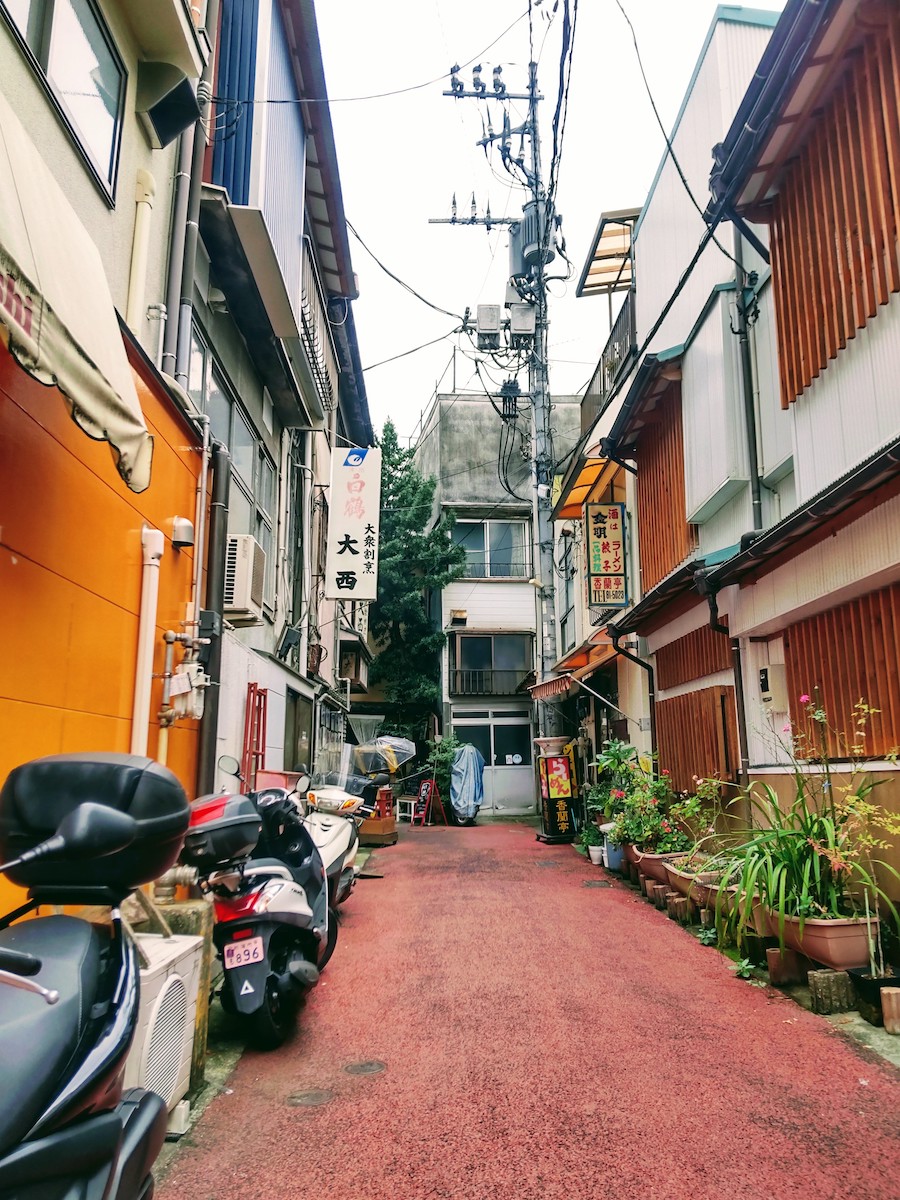 The shopping street and the station building were filled with various souvenirs, where you can find plenty of unique gifts. Since we arrived at Atami Station with time to spare before our train, we enjoyed picking up a few items to bring home. Exploring the little alleys around the station was also a highlight—they felt both nostalgic and a bit mysterious.
Whenever I go somewhere new, I find myself wondering what life would be like if I lived there. The world is full of things we’ve never experienced.
Shuttle Bus
The hotel had a shuttle bus to Atami Station, so we hopped on that. Just keep in mind that it doesn’t come very often. We took the Shinkansen back to Tokyo, which takes about 50 minutes from Atami.
A Delicious Finale: The Ekiben
I picked up Eki-ben at Tokyo Station for dinner and enjoyed it at home with my family—it was a fun way to end the trip. Eki-ben is special bento box sold at train stations. Tokyo Station has several shops where you can find a huge selection of Eki-ben from across Japan, making it really enjoyable to explore and choose your favorites. It goes without saying that freshly prepared food is always delicious, but Eki-ben is special because they serve as the perfect companion for a train journey. That’s why they are so loved by people in Japan.
While ekiben options are limited, some services allow you to pre-book ekiben for pickup at Tokyo Station if you prefer to plan ahead. If you are not traveling by Shinkansen, please choose “Outside Shinkansen Gate” as your pickup location.
Conclusion
A day trip to Atami offers more than just a quick escape from Tokyo—it’s a chance to slow down and appreciate the journey itself. From the relaxing train ride and delicious local seafood to the peaceful atmosphere of Kinomiya Shrine and the refreshing ocean views, every moment adds something special to your experience.
Whether you’re traveling with friends, family, or even on your own, Atami provides a perfect balance of culture, nature, and comfort. If you’re looking to step away from the fast pace of city life, this charming seaside town is well worth a visit.
Recommended For:
• Travelers looking for an easy and relaxing day trip from Tokyo
• Food lovers who want to enjoy fresh seafood and local specialties
• Anyone interested in experiencing Japanese culture, including shrines and traditions
See more unique travel experiences from Tokyo below:
Luxury Day Trip to Atami: Riding the Saphir Odoriko from Tokyo
Information
Information, prices and exchange rates are current as of my visit but may change. Please check official sites.
GRANSTA TOKYO
Use the Gin no Suzu (Silver Bell) as a landmark for the next three shops.
- Bakery Café
- Pastries – approx. ¥250 ($1.6 / €1.4)
- Coffee – approx. ¥500 ($3.2 / €2.7)
- BURDIGALA TOKYO
- Karinto
- Approx. ¥380 ($2.4 / €2.1)
- Nishikihorin
- Inari-sushi
- 1 piece – approx. ¥200 ($1.3 / €1.1)
- Mameda
Ekiben bento box
– Around ¥1,200 (approx. $7.6 / €6.5)
– Ekiben-ya Matsuri
Tokyo Station has many ekiben shops besides the one I bought from.
Ekiben Booking Options (Tokyo Station)
– Klook
Ekiben options are somewhat limited, but you can pick them up at Tokyo Station. If you are not traveling by Shinkansen, please choose “Outside Shinkansen Gate” as your pickup location.
Train
JR-EAST
– Official English website
Masaru
Seafood Rice Bowl
– ¥2,600 (approx. $16.4 / €14.0)
(Price as of my visit)
Access
– About 0.7 mi (1.1 km) from Atami Station
Kinomiya Shrine
Admission Fee
– Free
Access
– About 0.9 mi (1.5 km) from Atami Station
(About 890 ft (270 m) from Kinomiya Station)
– Google Maps
Atami Korakuen Hotel
HARBOR’S W
Pineapple Granité
– Currently, this beverage is unavailable
– ¥800 (approx. $5.1 / €4.3)
Access
– About 1.6 mi (2.5 km) from Atami Station
– Official English website
– Shuttle Bus English Timetable
Check room rates and availability:
– Booking.com
– Expedia
This article contains affiliate links. We may earn a commission at no extra cost to you.