Last Updated on September 19, 2026
Disclosure: This article may contain affiliate links.
In early February, we took a family trip to Okinawa to enjoy a warmer escape from Tokyo’s winter. In this post, I share our experience—from local food to daily moments—along with practical tips for making the most of a winter visit.
The purpose of this guide is not just to share a family trip, but to help you plan a smooth and enjoyable winter getaway to Okinawa based on our experience—from transportation and accommodation to food and local experiences.
What you will find in this guide:
- What Okinawa is like in winter: Climate, atmosphere, and what to expect
- Getting around: Transportation tips and how to rent a car smartly
- What to eat: Okinawan local dishes, sweets, and casual dining spots
- Where to go: Cultural sites, scenic spots, and resort experiences
- Travel tips: Practical advice for timing, crowds, and a stress-free trip
Planning Your Trip
Since Naha Airport is located in the southern part of Okinawa, a common and stress-free approach is to stay in Naha on your first and last nights. We followed this plan ourselves, staying in Naha at both the beginning and end of our trip to keep things relaxed and manageable, especially while traveling with children. This made getting to and from the airport much easier and helped us avoid unnecessary travel stress.
Okinawa Travel Basics
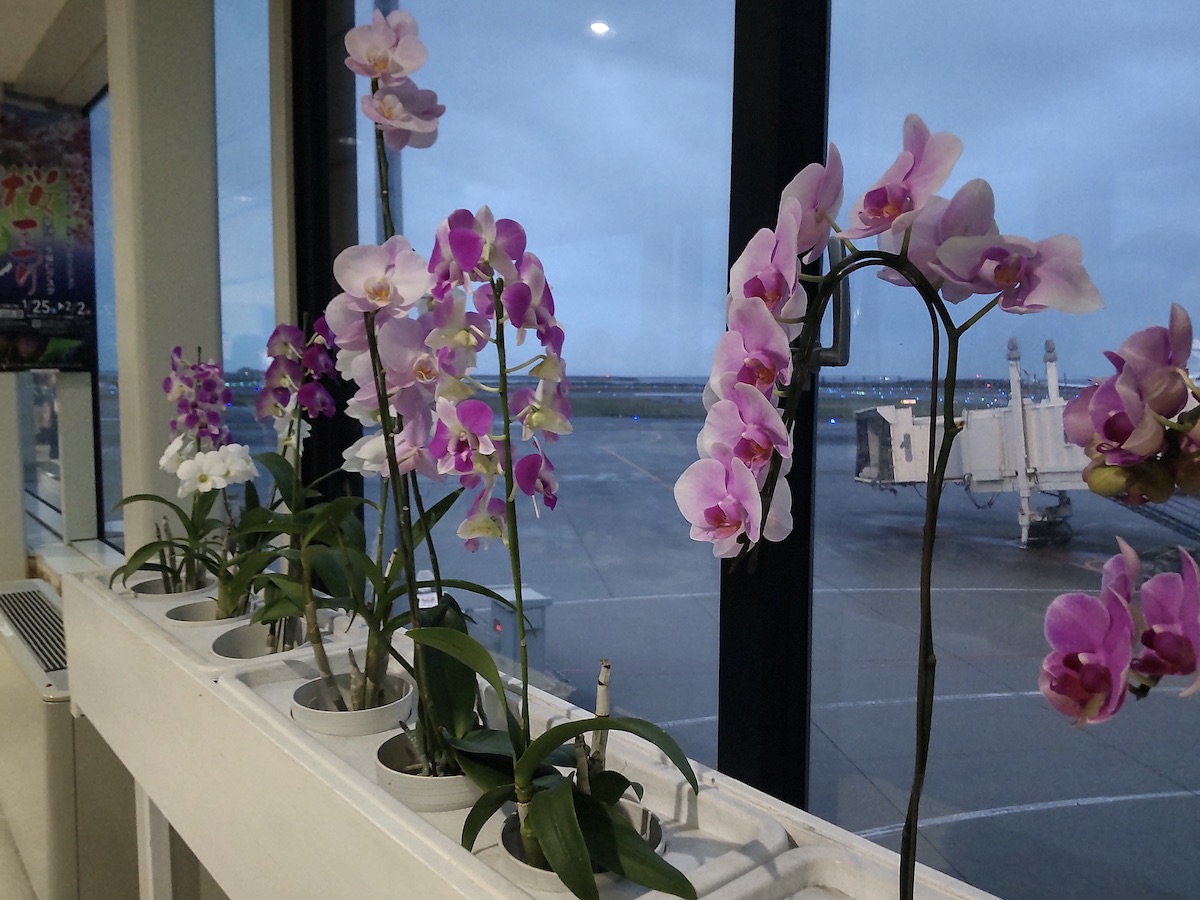
Our family finally had a day off together, so we decided to travel to Okinawa for a warm winter getaway. Okinawa is less than a three-hour flight from Tokyo, and I’ve visited over 40 times. Naha Airport is filled with beautiful orchids. They greet arriving visitors warmly. Okinawa has a subtropical climate, and the high humidity gives a slightly warm, muggy feeling that really makes you feel like you’ve arrived in Okinawa.
Okinawa in Winter: Climate & Weather
The temperature difference is surprising. While Tokyo is in the middle of a cold winter with average highs around 10°C (50°F), Okinawa enjoys a mild climate with highs reaching nearly 20°C (68°F), even in early February. That said, the temperature can drop to around 15°C (59°F) on colder days.
Pro Tip:
Layering is key. A lightweight puffer jacket or a windbreaker is recommended, as the ocean breeze can feel cool in the evenings.
Transportation Tips
This time, we challenged ourselves to travel with as little luggage as possible for our 5-day trip, so we came with only backpacks. This meant we didn’t need to go to baggage claim and could leave the airport quickly. From the airport, you can take a taxi, a bus, or the monorail. Those who rented a car can use a shuttle service.
During Japan’s summer holidays, taxis, rental car agencies, and even the roads near the airport can get super crowded. That’s why I recommend heading to places you can reach by monorail as soon as you arrive. If you land during the day and plan to rent a car, DFS Galleria right by Omoromachi Station is super convenient. Getting in the evening? Staying at a hotel near a monorail station makes getting around much easier.
How to Rent a Car Smartly
DFS Galleria Okinawa is more than just a place for shopping; it also houses multiple rental car agencies. Since it’s located right next to the monorail station, it’s a very convenient choice for picking up or returning a car.
Pro Tip:
Instead of picking up your car on arrival at the airport, take the monorail to DFS Galleria in the city and pick it up the next morning. This saves time and allows for a more relaxed start.
Also, you don’t need to worry if you can’t drive. Many hotels in Okinawa offer limousine bus services, and there are also optional bus tours that take you around the main sightseeing spots.
Naha: Arrival & Food
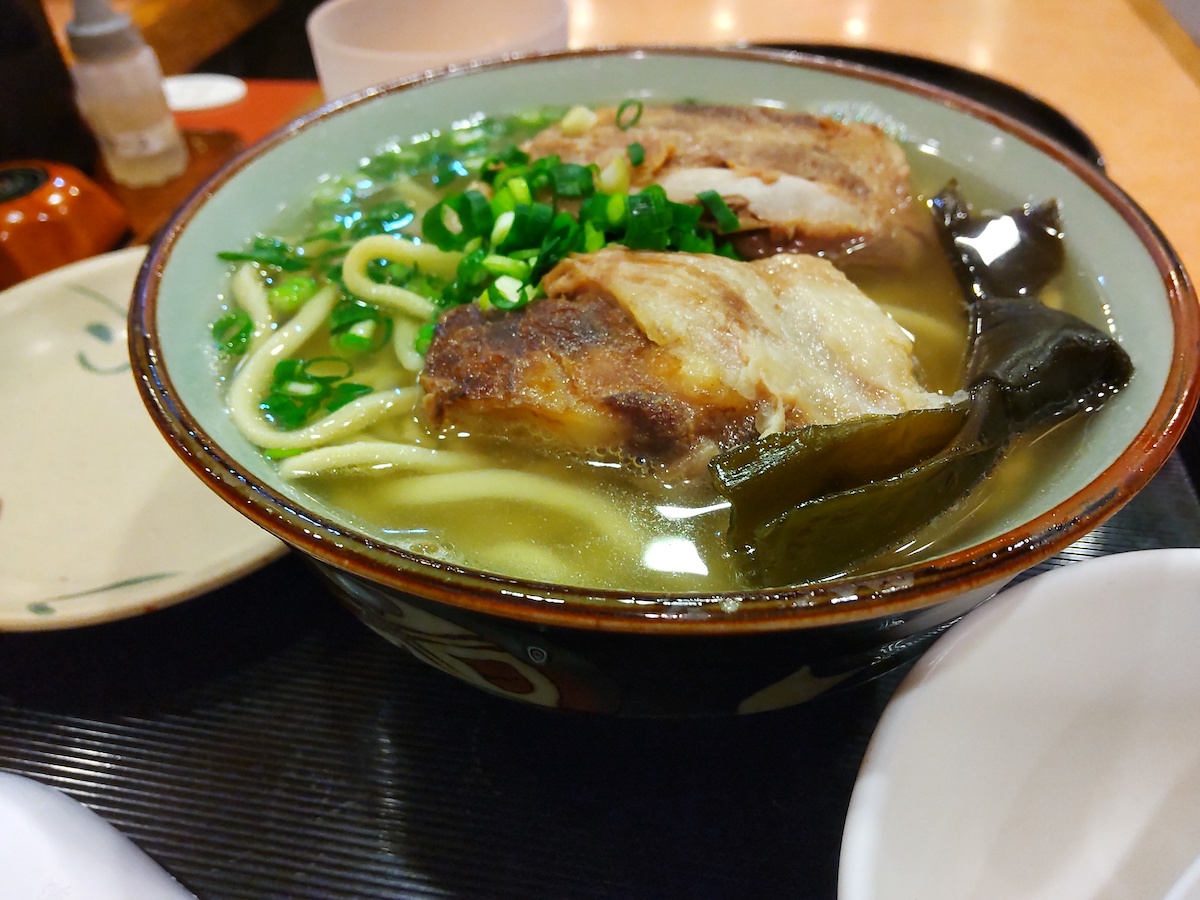
We took a taxi to our accommodation—a condominium near Omoromachi Station—about a 10-minute ride from the airport, and dropped off our bags. Then we headed out for dinner to enjoy some delicious Okinawa soba at Minoya.
Tasting Okinawa soba
Okinawa soba is different from Japanese soba, as it is made from wheat flour and has a unique texture. The broth is made from bonito and pork, and it’s topped with sweetly simmered meat and kelp.
The moment I sipped the soup, the rich aroma of the dashi filled my senses, making me even hungrier. The noodles are thinner than udon and slightly wavy, though the style can vary depending on the region in the Okinawa Islands. As I slurp them down and take bites of the sweet, simmered pork, the table goes quiet—we just can’t stop eating, moving from one bite to the next. If you find it a bit too sweet, be sure to add some pickled red ginger (beni shoga), which is always available on the table. It completely transforms the flavor profile and adds a sharp, refreshing finish.
In addition to Okinawa Soba, we ordered Tofu Chanpuru, a stir-fry dish made with tofu and vegetables. The savory dashi broth gave it a deep flavor, and with so many vegetables and tofu, we enjoyed it right down to the last bite without ever getting tired of it.
Okinawa soba Tip
We’ve visited this restaurant many times and knew that their Okinawa soba and other local dishes are delicious. However, Okinawa soba can vary in quality, so I recommend checking the restaurant in advance.
Enjoying Local sweets
After dinner, we went to a supermarket to buy some local sweets and enjoyed them leisurely back in our room. Our room had a kitchen, and a welcome tea was prepared for us. It’s a caffeine-free tea that you can enjoy even at night without any worries. It was a blue butterfly pea tea blended with Okinawan herbs, and thanks to this thoughtful touch, we were able to relax completely.
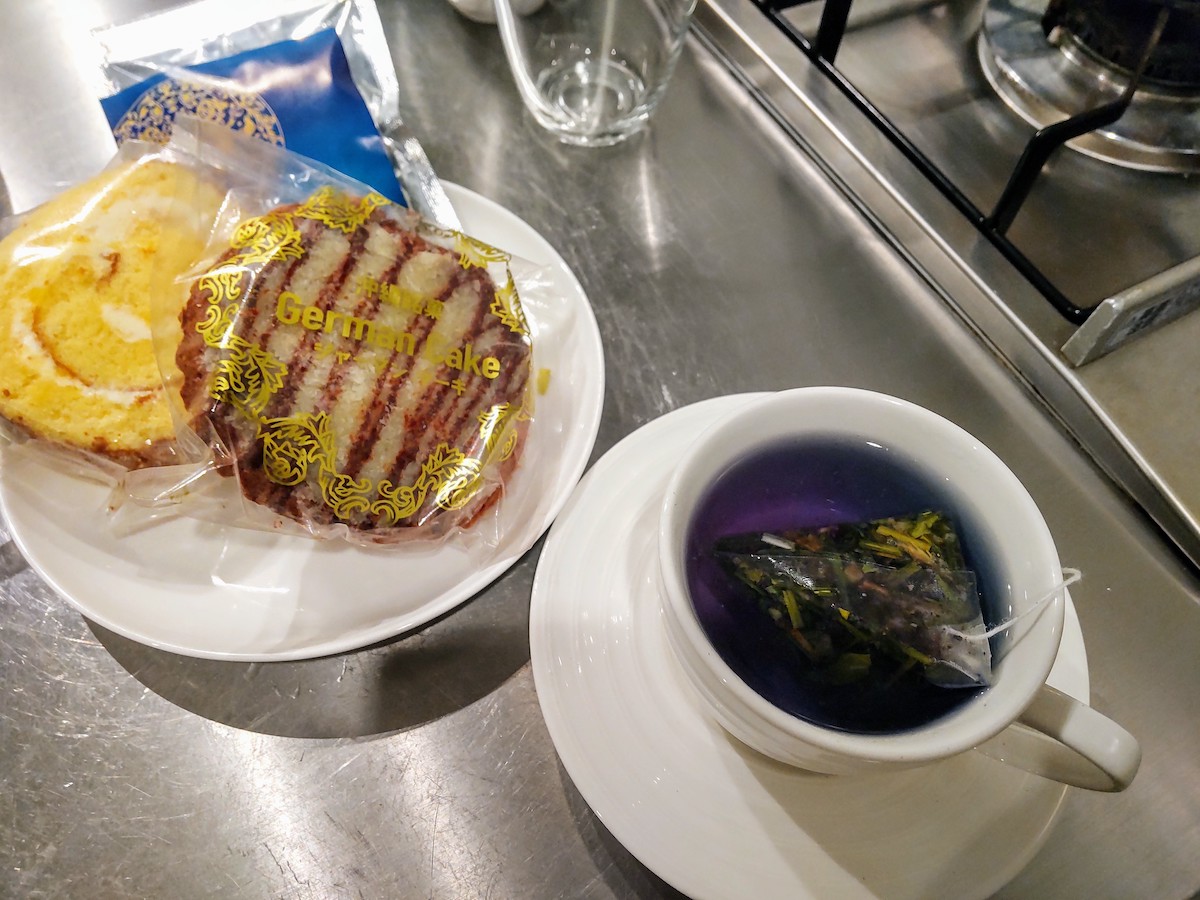
While enjoying our tea and sweets, I couldn’t help but notice how Okinawa’s unique history shows up in everyday life. The chocolate cake in the photo, called German Cake, was created by an American named Mr. German. Topped with a coconut filling, it’s a well-known sweet treat in Okinawa. Taking a bite, the flavor of crunchy coconut spread alongside the moist chocolate cake, making it a perfect match for herbal tea.
If you like this tea, you can often spot similar blends made from Okinawan herbs at the airport.
A Slow Morning in Okinawa
The next morning, we prepared a simple breakfast ourselves and enjoyed a delightful time, almost as if we were living there. Getting away from everyday life and changing the scenery is an incredibly exciting experience. After that, I took a bus to DFS Galleria Okinawa and rented a car there by myself. I did a bit of window shopping and enjoyed the atmosphere before stopping by The Naha Terrace, a nearby hotel.
The Naha Terrace Experience
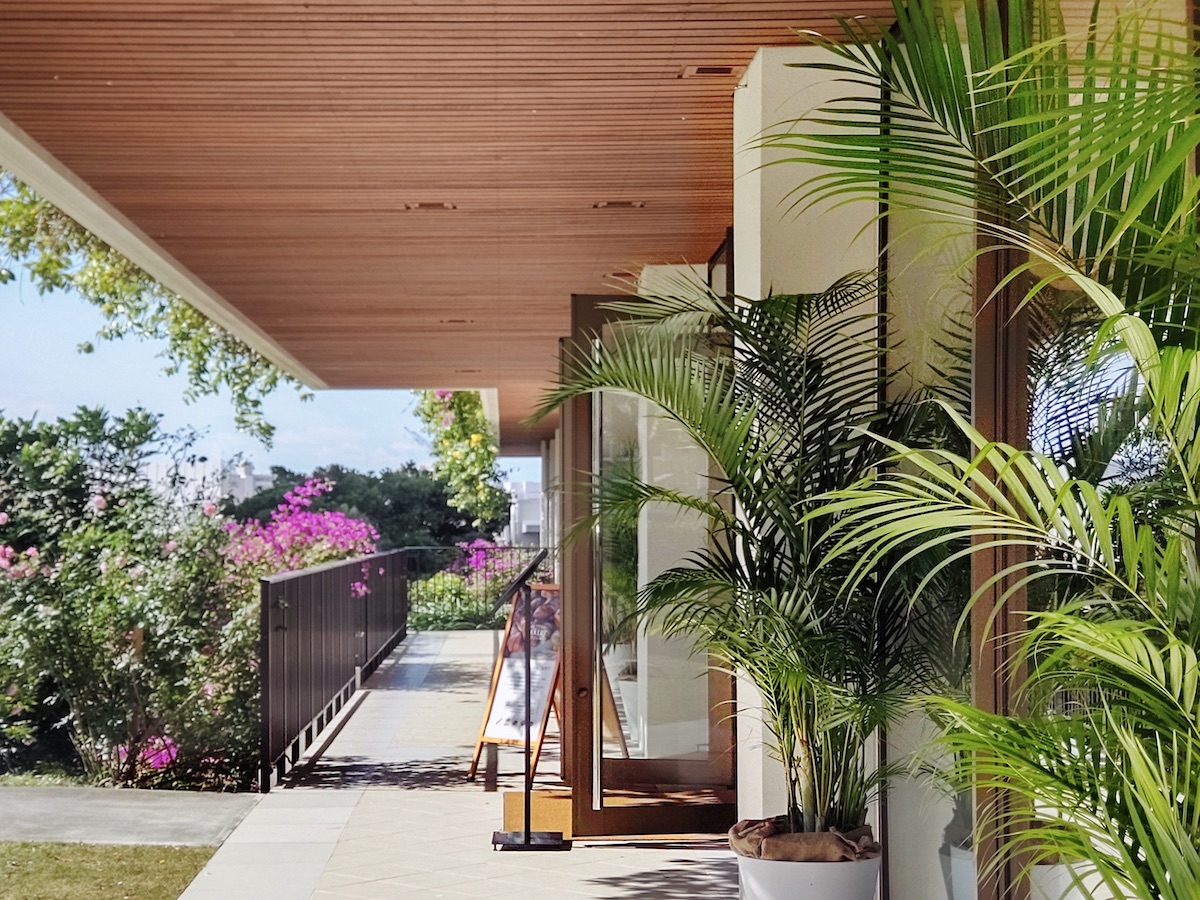
It was February, but Okinawa was warm and surrounded by greenery and flowers, reminding us of early summer. This hotel boutique houses a long-established import select shop from Okinawa called Roger’s, and features a carefully selected range of stylish Okinawan products. There were also foods that looked enjoyable to take home, but I headed straight to our main destination—the tea lounge.
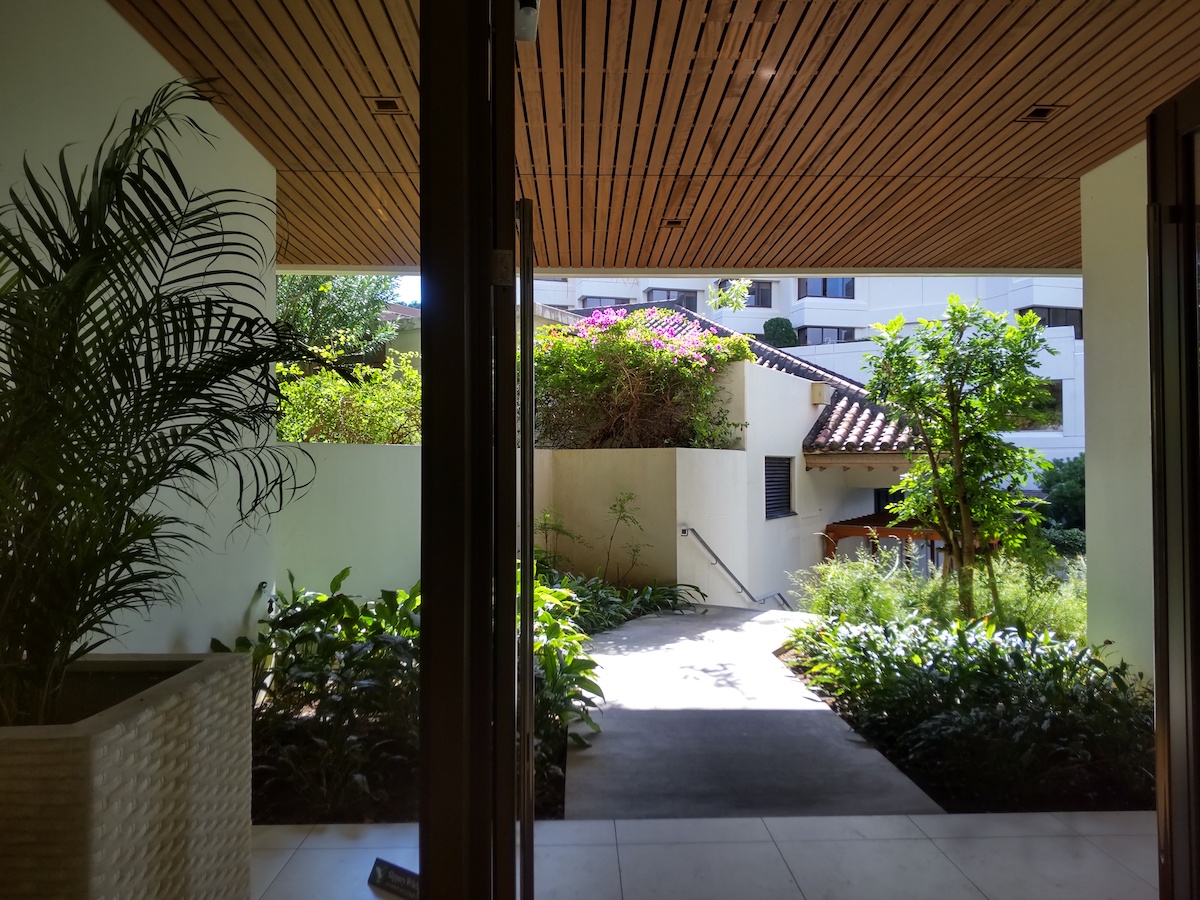
It seemed I had entered from the back of the hotel, so I had to walk through a corridor, but the hotel was so lovely that I enjoyed exploring it. I had visited this hotel before for a wedding, but this time I came because it often appeared in the blog of a certain woman who inspired me to start my own. I wanted to experience the atmosphere she wrote about for myself. You can find more about her on my About Me page, so feel free to take a look if you like.
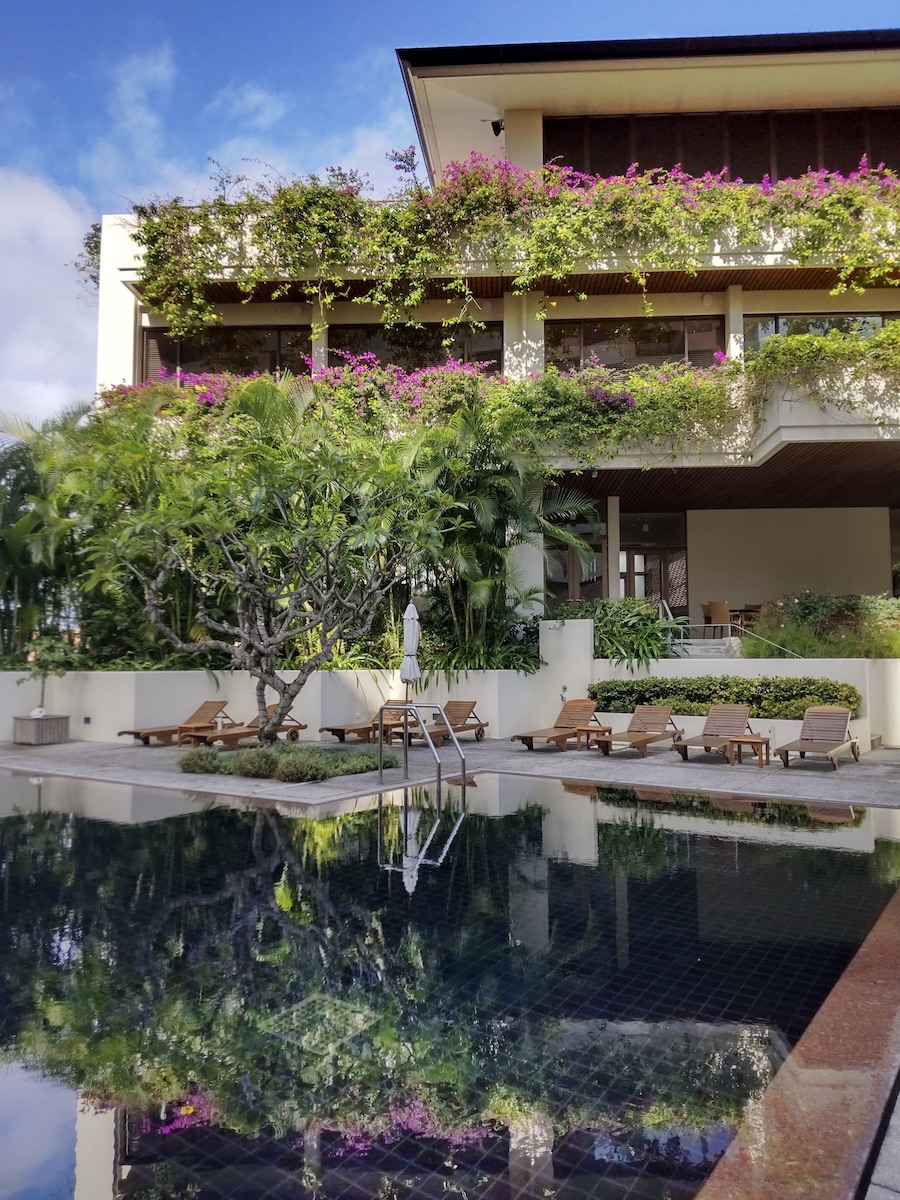
The pool came into view. When I looked back, the lush greenery and flowers were reflected on the water’s surface, and I found myself gazing at it in admiration. In summer, it must be a lovely place to spend pool time under the parasols.
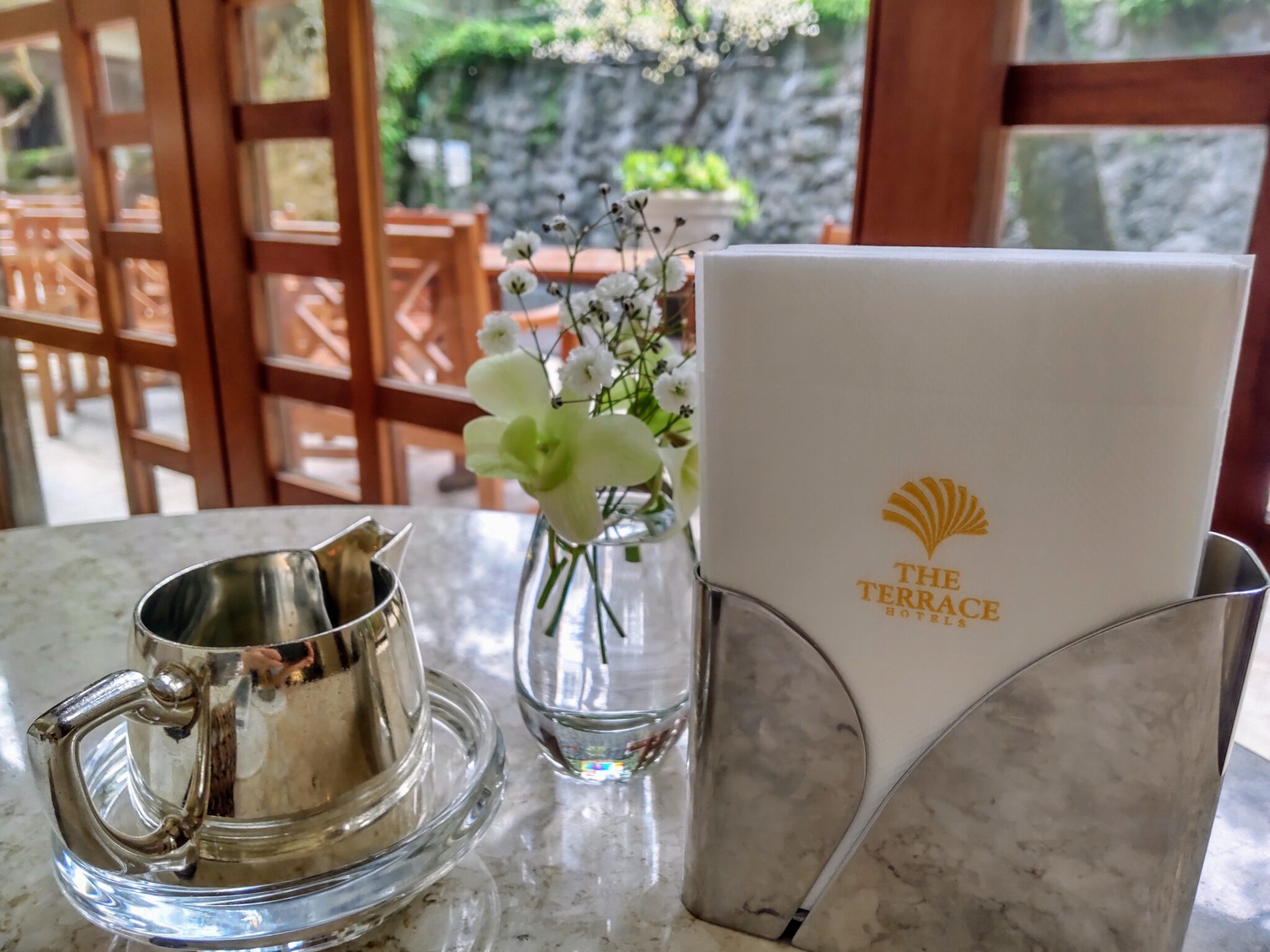
Morning Tea Delight
I finally took my seats in the tea lounge, Living Room Maroad, and chose a Chestnut Mille-Feuille from the many tempting options. Also, dressed in winter clothes and feeling a bit warm in the sunshine, I decided to order an iced tea.
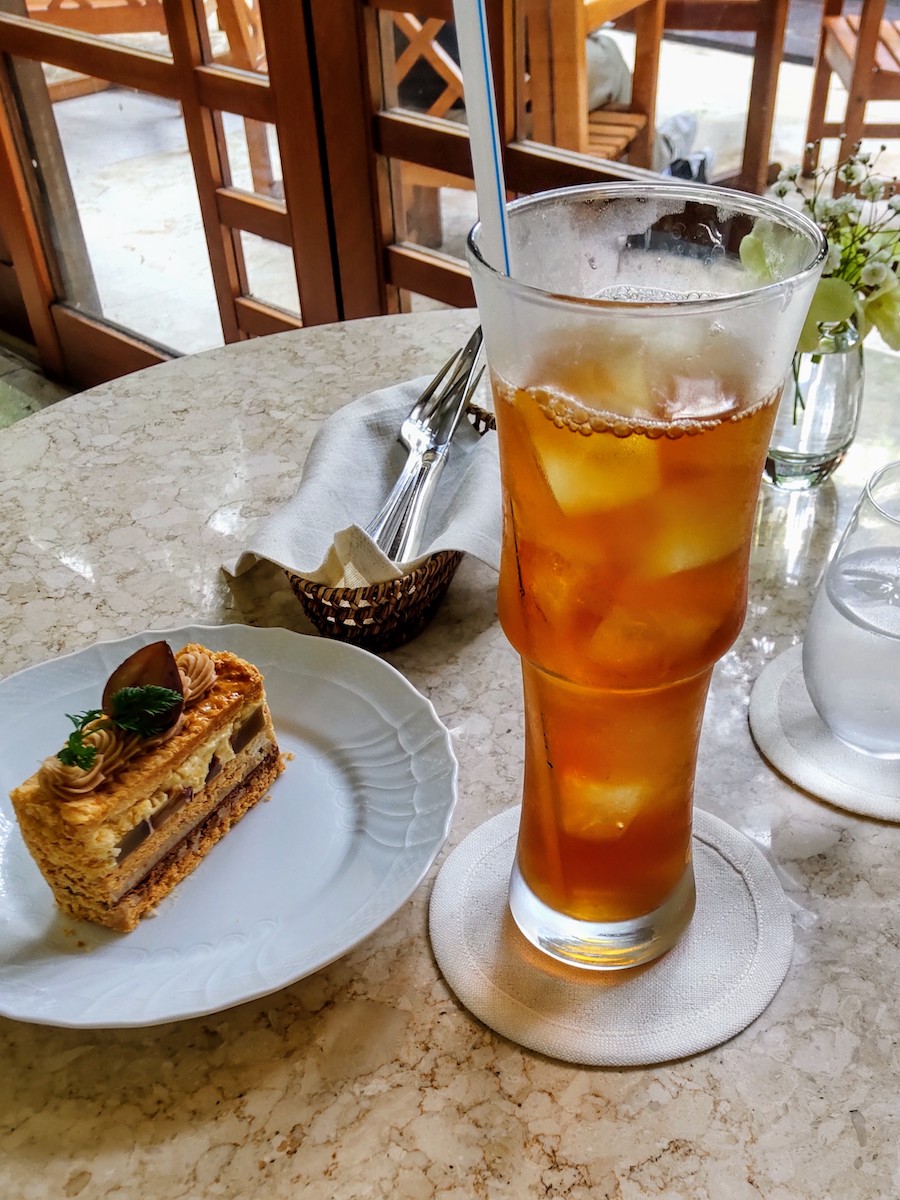 Since it was a weekday in winter, the tea lounge was quiet and perfect for relaxing. It felt just like a living room. With beautifully crafted, hotel-made sweets and fragrant iced tea in such a lovely setting, it’s a place where you can truly unwind and enjoy a special moment. If you’re visiting Okinawa, it’s definitely worth stopping by.
On the way back, I bought some hotel-made savories and cookies. I had the savories for breakfast the next morning, and I enjoyed the cookies with everyone even after getting back home.
I only visited The Naha Terrace for a cake set, but the hotel had a quiet and refined atmosphere that made it seem like a comfortable place to stay in Naha. If you’re considering staying here, you can check the latest rates and availability below.
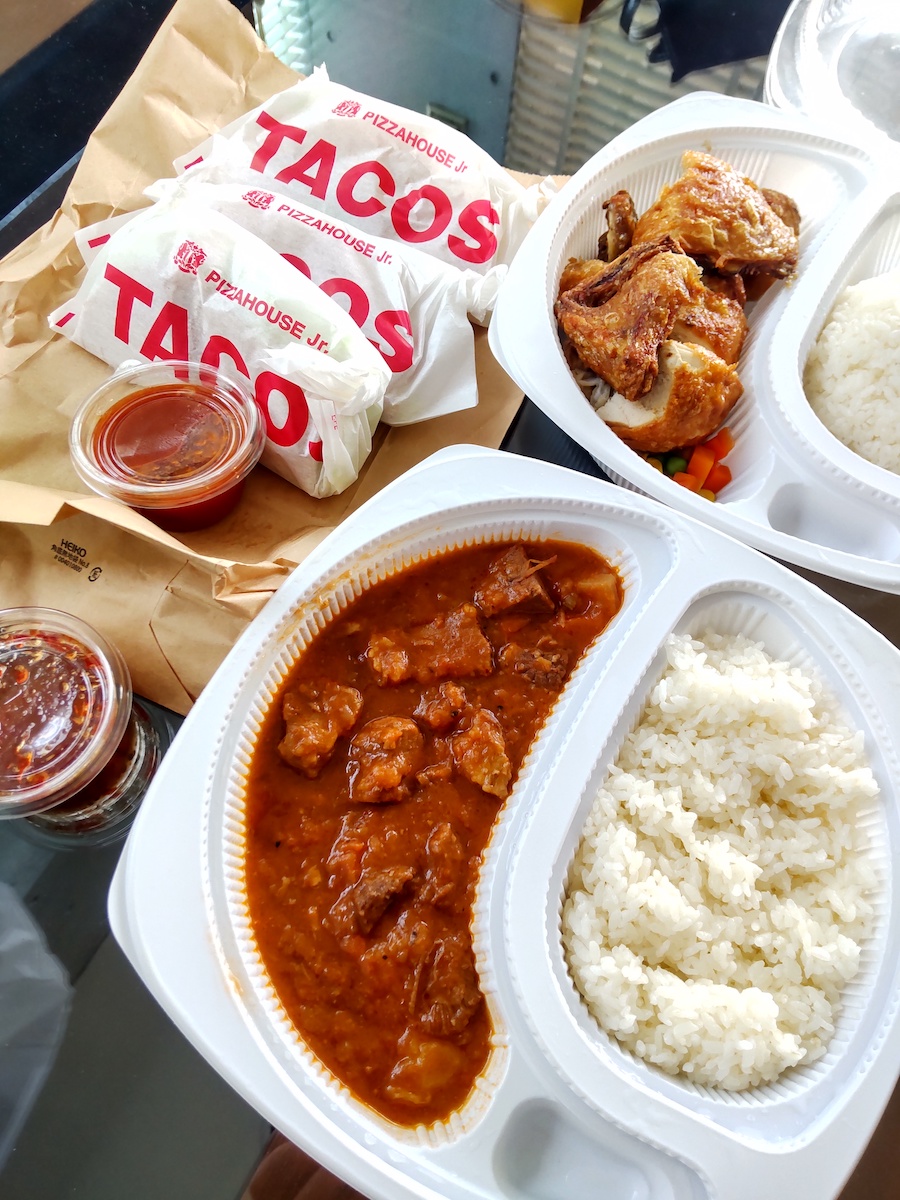 Local Takeout Lunch
I grabbed lunch to go at a local place called Pizza House Jr. Pizza House isn’t a pizza-only restaurant. But it became popular with Americans after adding “pizza” to its name during the pizza boom at the time. The “Jr.” line is a more casual concept and can often be found in shopping malls in Okinawa.
This time, I ordered Cantonese-style fried chicken, Texas-style beef stew, and tacos.
It was my first time visiting this restaurant. Everything had unique flavors that I rarely get to experience in Tokyo—it was all very delicious. The fried chicken was crispy on the outside. And I felt the Texas-style beef stew had a lot of tomatoes in it.
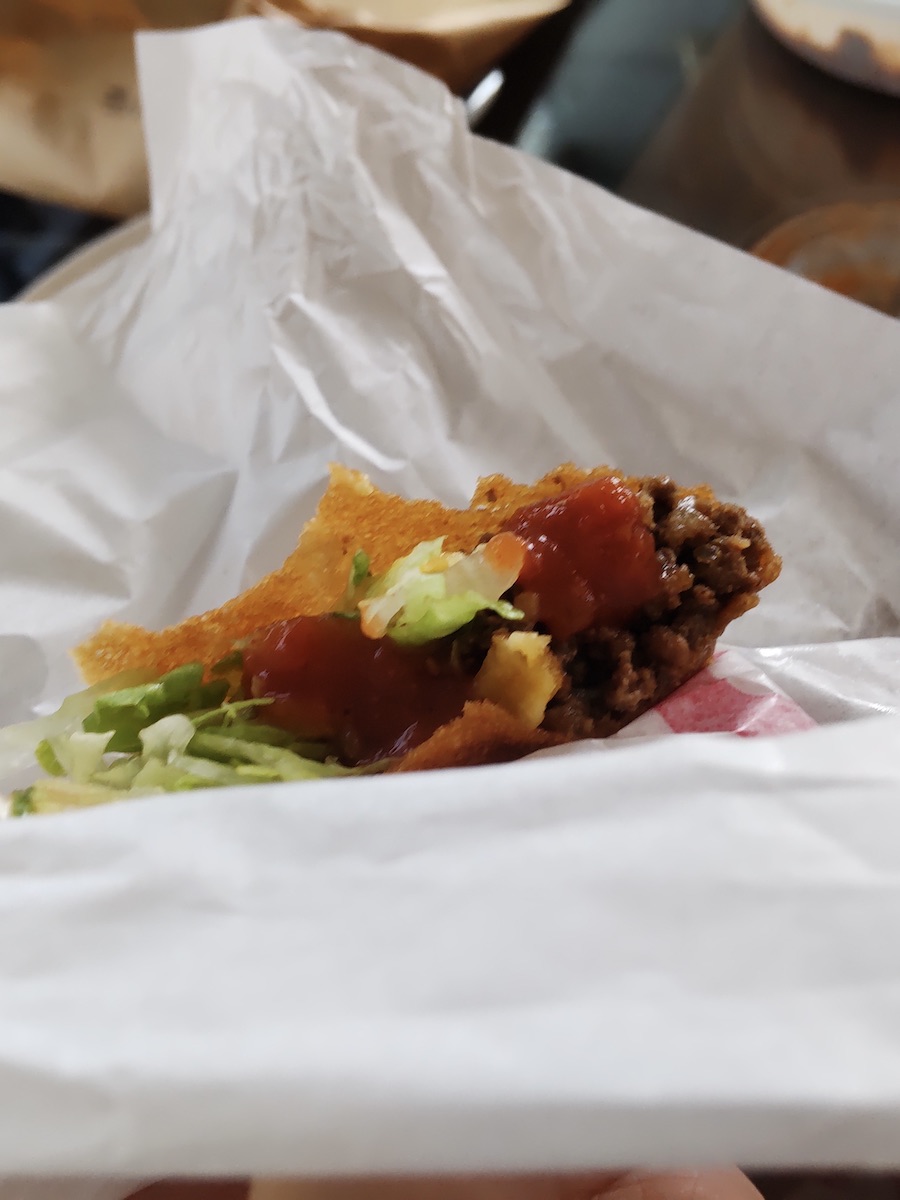 Okinawa has many taco shops, but the taco shells here were exceptionally thin. The tacos were also packed with vegetables, and I finished them in no time. Although I’ve visited Okinawa many times, discovering this new flavor made for a very enjoyable lunch.
Current Shop Information
Unfortunately, the restaurant I visited is no longer in business. However, as an alternative, I’ll provide information below about other stores that are still operating.
Exploring Central Okinawa
We headed to a resort hotel in central Okinawa to enjoy another warm winter getaway. Even after finishing lunch, we had some time before check-in, so we decided to explore a historic castle, known as a gusuku, in Okinawa.
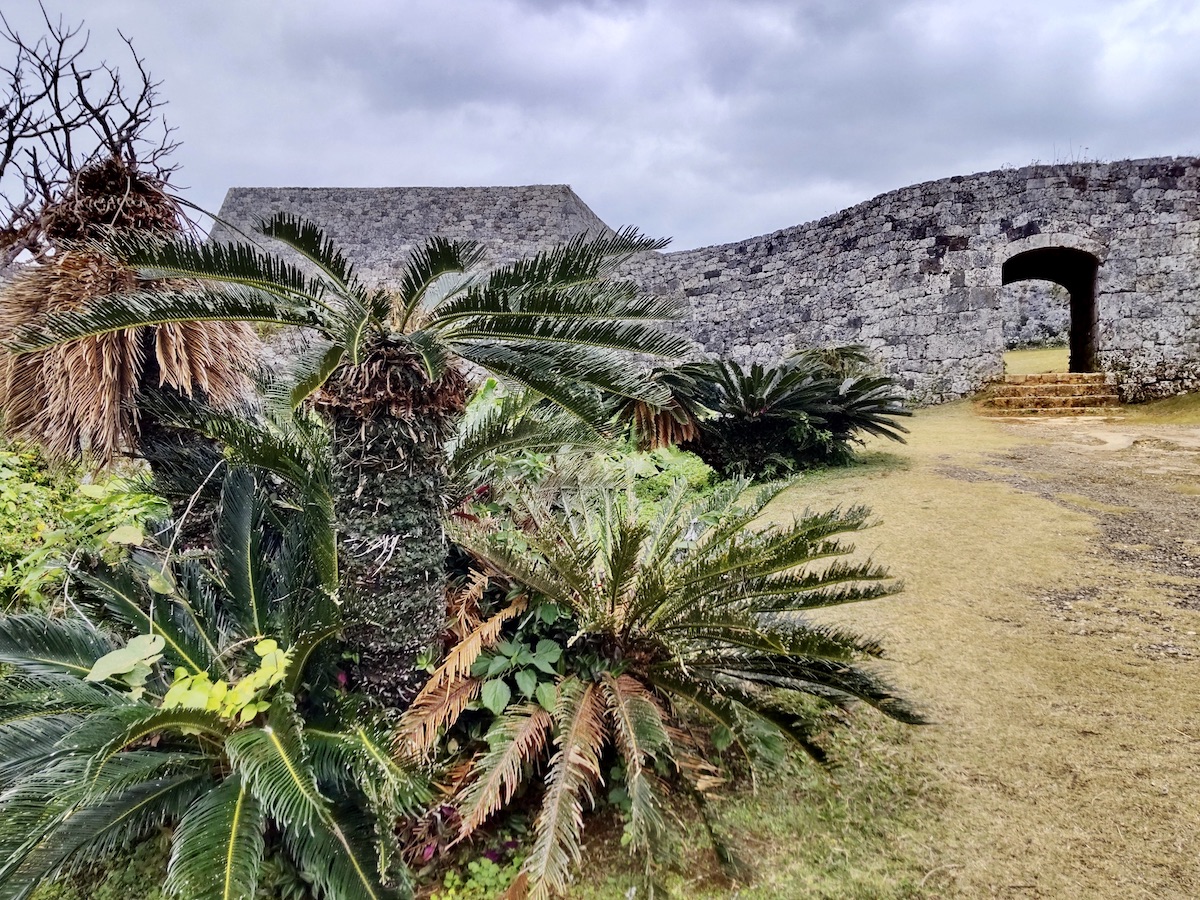
I mentioned that Okinawa was once under American rule. But if you go back even further, in the late 19th century, Okinawa was actually its own country, known as the Ryukyu Kingdom. The gusuku we visited, Zakimi Castle, was built during that period, and its stone walls still stand today. UNESCO now lists it as part of the “Gusuku Sites and Related Properties of the Kingdom of Ryukyu.”
Zakimi Castle
The top image shows the stone walls of Zakimi Castle Ruins, which are built from Ryukyu limestone, formed from layers of coral and shells. If you look closely, the texture closely resembles coral. As you can see, it was a cloudy day, but the magnificent stone walls still felt solemn and powerful. If the weather isn’t great, exploring castles like this can be a wonderful choice.
 Guardians of Okinawa
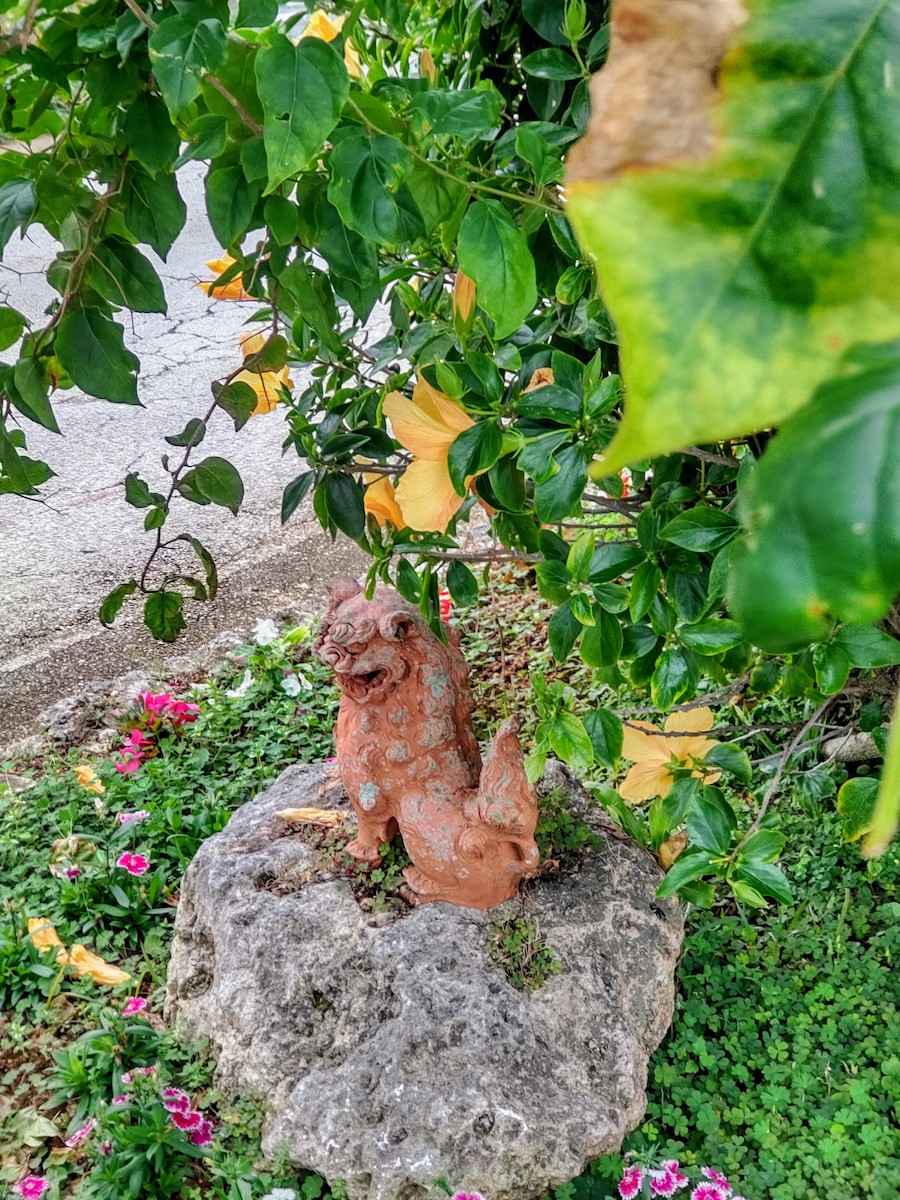
Nowadays, the site is nicely maintained for visitors, and welcoming shisa statues greet you at the entrance. These statues, used to protect homes from evil spirits, are still usually sit on rooftops or gates in Okinawa, and local artisans often craft them in pottery workshops.
You will often see them in pairs: one with its mouth open to ward off evil spirits and invite good luck, and the other with its mouth closed to keep the good luck in.
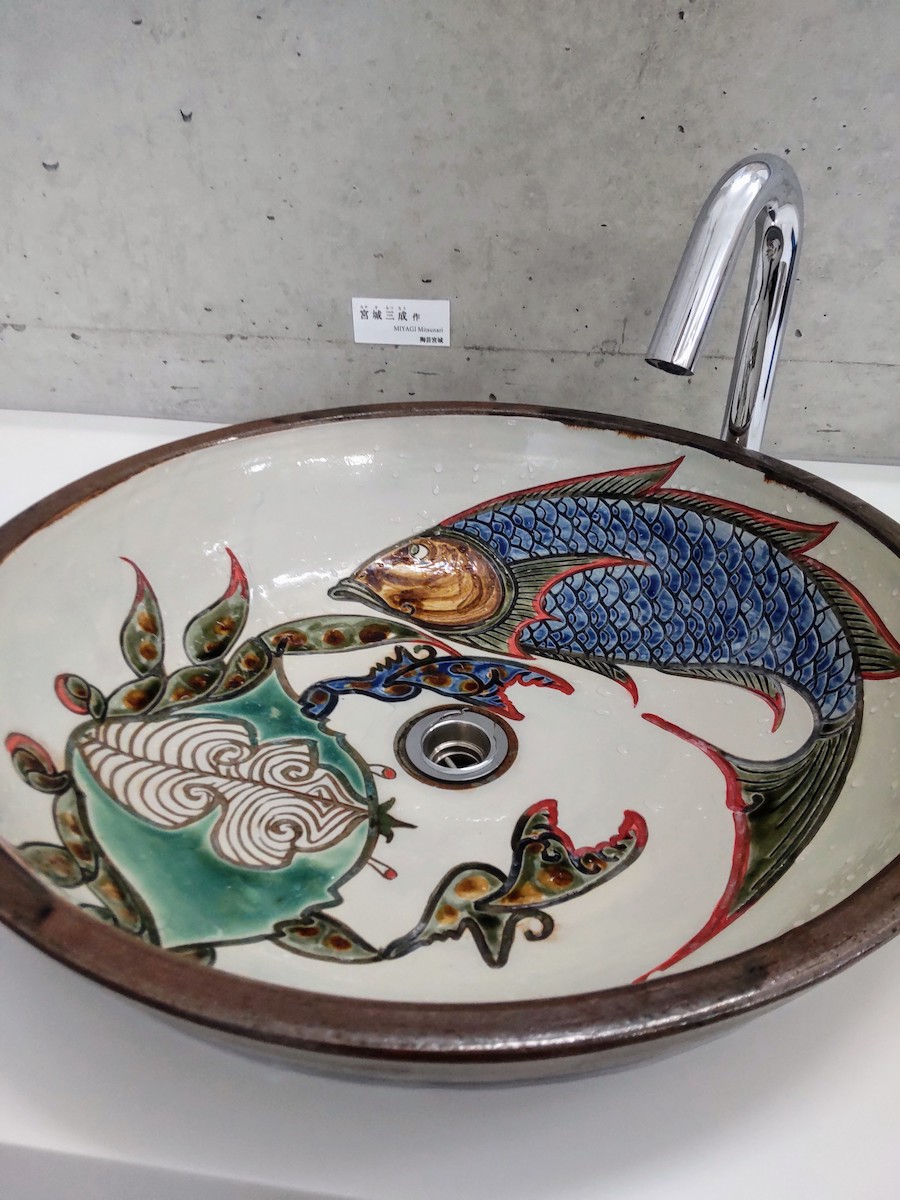 Tradition and Craftsmanship
While gusuku can be found throughout Okinawa, Yomitan Village, where Zakimi Castle is located, is also well known today for its pottery workshops. The washbasin in the castle park was made of yachimun, traditional Okinawan pottery, and I admired its bold lines and vibrant colors.
Quick Tip: Finding the Crafts
Every year, during the third Friday, Saturday, and Sunday of December, a pottery market is held at Yachimum-no-Sato in Yomitan Village. While you can find Yachimun (Okinawan pottery) all across the island, purchasing a piece here would be a truly special experience.
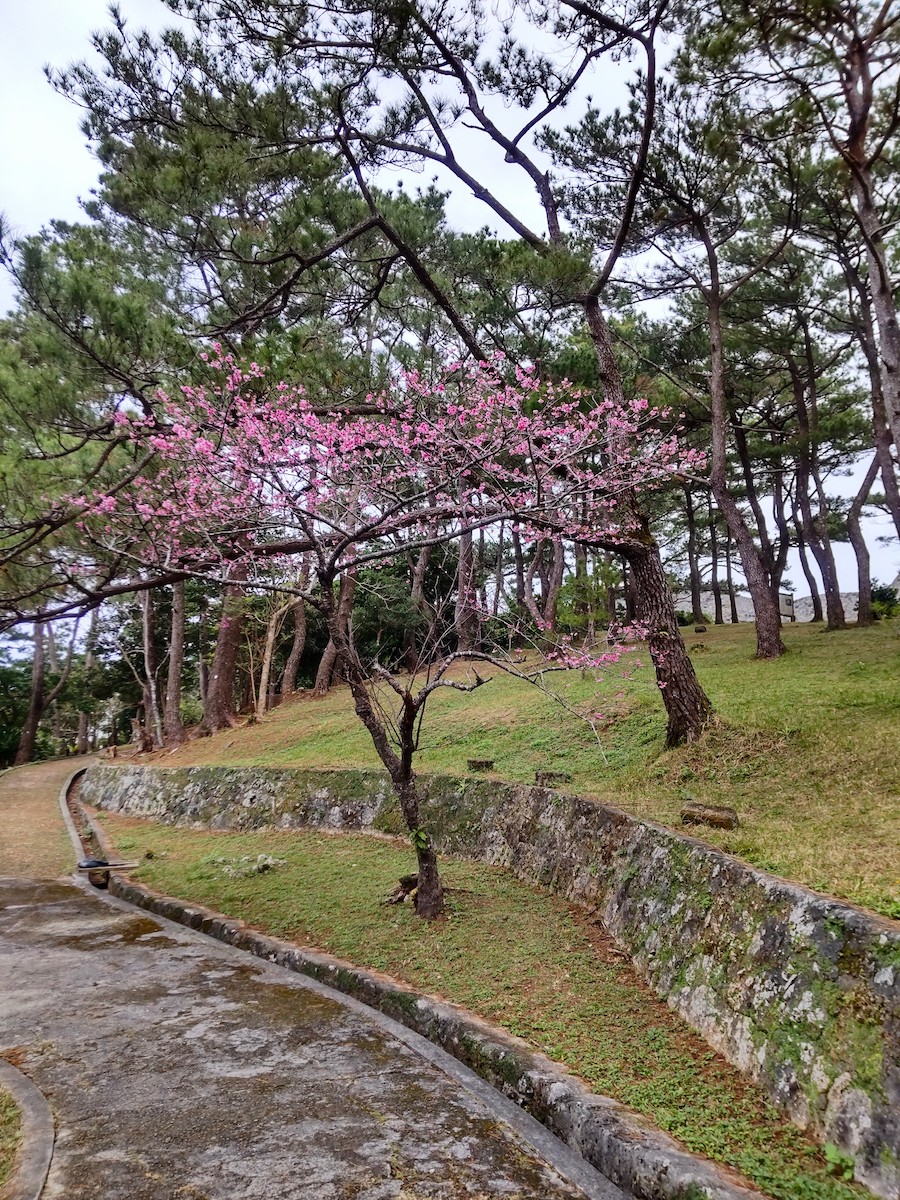 Tropical Cherry Blossoms
In winter, Okinawa is also known for its early-blooming kanhizakura cherry blossoms. The best time to see them is from mid-January to early February. Unlike the pale pink somei-yoshino cherry trees on mainland Japan, these blossoms are a deep pink that stand out beautifully against stone walls and Ryukyu pines.Although the kanhizakura season was nearly over, a few cherry trees still brought us joy.
Grand Mercure Okinawa
It was time to check in, so we headed to our hotel. Today, we would be staying at the Grand Mercure Okinawa Zanpa Cape Resort. The hotel has been beautifully renovated, and they were working on a massive new pool area during our visit. It’s not just a place to lounge—it’s going to be more like a vibrant water park with exciting attractions. Once it fully opens, it will be the perfect spot for an active and fun-filled summer vacation.
There is a spacious lounge on the lobby floor where any guest can enjoy drinks and mini snacks, including Okinawan rice crackers. They even provided beer and sparkling wine. The hospitality felt truly special, and it was the perfect place to take a break and unwind after our arrival.
We checked into the Grand Mercure Okinawa Zanpa Cape Resort for our stay. The hotel has been beautifully renovated, and during our visit, a large new pool area was still under construction. Once completed, it will likely become a lively resort-style attraction, perfect for a fun and active summer getaway.
If you’re planning a trip to Okinawa, you can check the latest room rates and availability below.
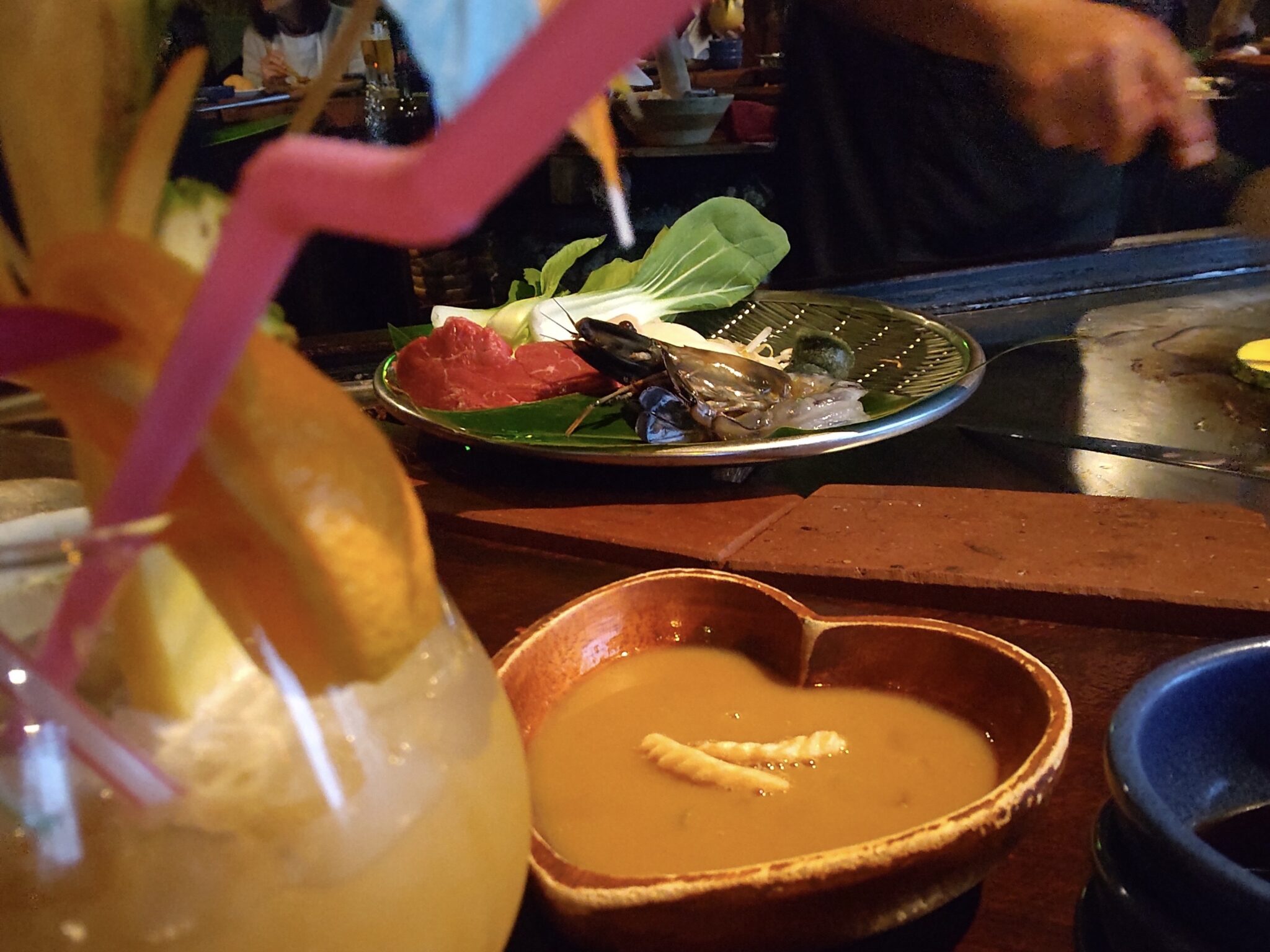
Okinawa Grill Night at JAM
After settling into our new room, we relaxed until it was time for dinner. We had a reservation at a fun restaurant, Steakhouse JAM, which is about a 20-minute drive from the hotel. The chef grills your steak right in front of you—similar to Japanese teppanyaki style. Okinawa has plenty of steakhouses, but this one is decorated with a full-on ocean theme, making it an exciting and fun place to visit.
Since I can’t tolerate alcohol and had to drive back to the hotel, I ordered a non-alcoholic cocktail. Even without alcohol, they offer drinks like this, so you can still enjoy the tropical vibes—very satisfying. Of course, children can also enjoy these tropical drinks together. Desserts are served in a separate, cozy area, which makes the experience more enjoyable.
Important Tip: For Your Safety
If you’re planning to drink, please use a driving substitute service (daiko) to ensure a safe trip back to your hotel. Please inquire with the restaurant in advance for more details. Also, there are accommodations near this restaurant, so I recommend staying nearby to visit on foot.
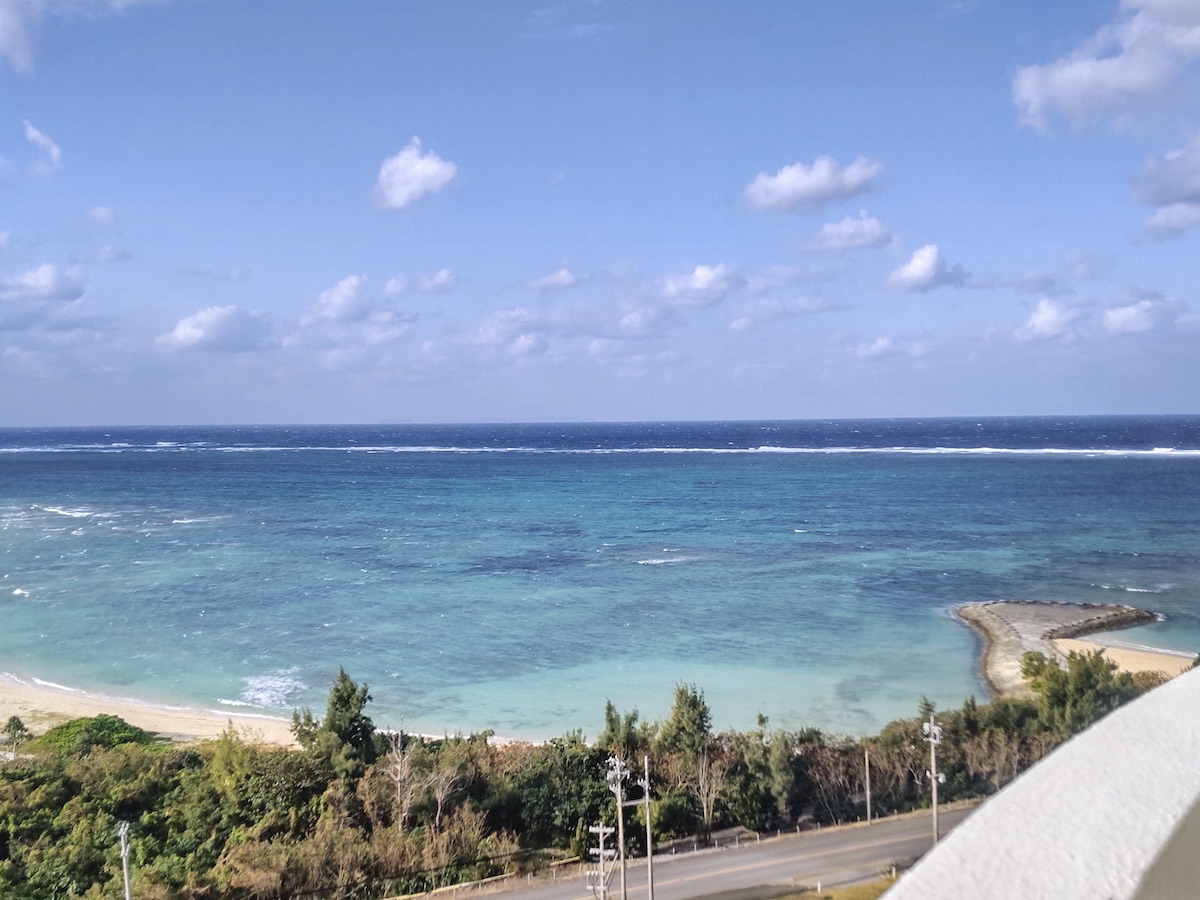
Ocean View from Our Room
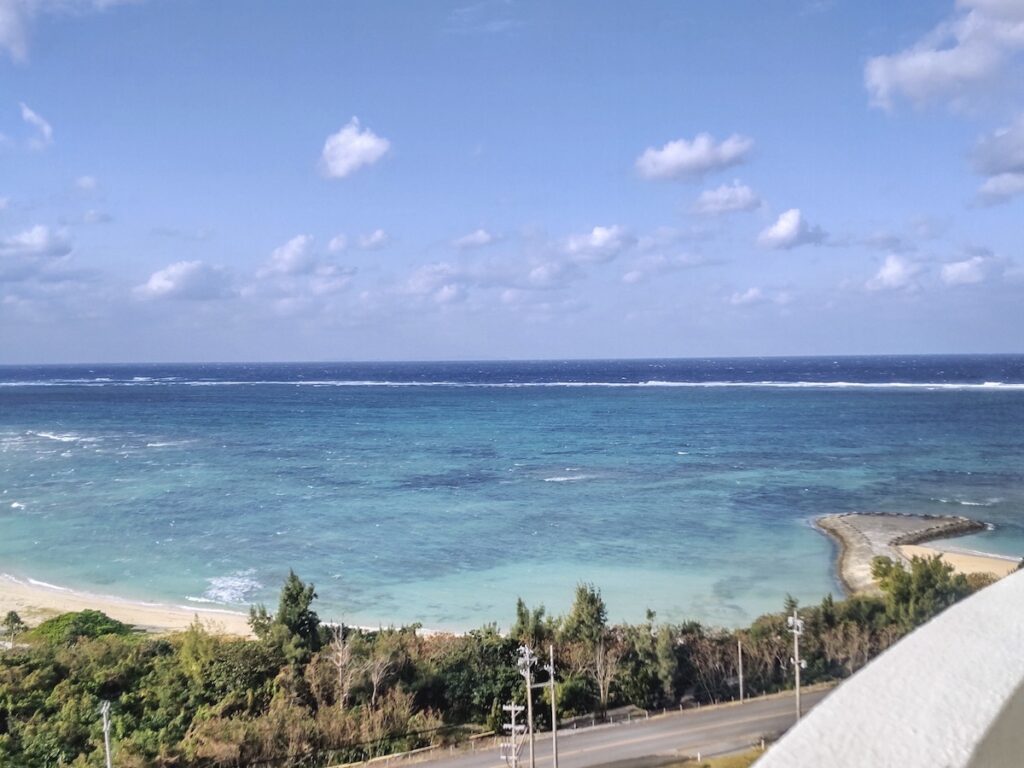
The next morning, the weather cleared up a bit, allowing us to enjoy the beautiful ocean view. The colors were different from summer, and it was absolutely mesmerizing. Okinawa isn’t scorching all year round; in February, the weather is actually pleasantly cool. Still, it’s far warmer than Tokyo, which is why we often come here in winter.
Visiting Local Factories
We kept breakfast simple with muffins and coffee from a local bakery, Jimmy’s, and after checking out, we made our way to a nearby confectionery factory.
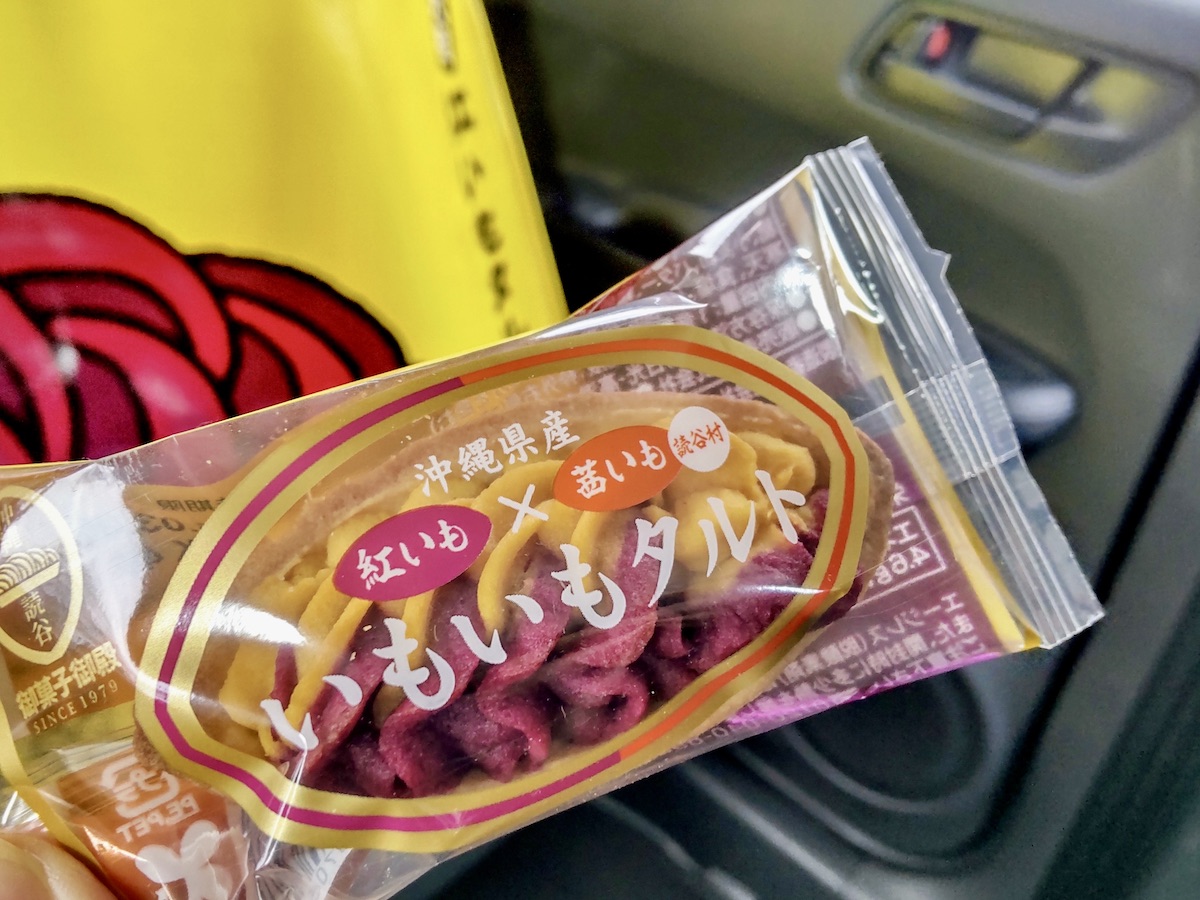
Yomitan Village is known for its purple sweet potatoes, so there are plenty of sweets made from them. In particular, it is famous for tarts made with purple sweet potatoes of this shop, Okashigoten. At the large factory, we got to watch all sorts of treats being made. We picked up a few sweets that you can’t find even at Okinawan specialty stores in Tokyo, and then made our way to the restaurant for lunch.
Enjoy Freshly Baked
Of all the sweets, the Imoimo Tart caught my eye. Made with two kinds of Okinawan sweet potatoes, it was freshly baked and sold as a limited item on site. We were told to eat it within two hours, so we dug in right away. The freshly baked tarts were crispier than the souvenir ones and absolutely delicious. It was a unique experience you can only have at the factory.
 Seaside Lunch at Moon Beach
Next, we arrived at Hotel Moon Beach Museum Resort. This is one of Okinawa’s classic resorts, sitting on a beautiful beach. Surrounded by palm trees and other greenery, the hotel has an aged but gracefully mature feel.
The view from the seats shown on the hotel’s website looked amazing, so I asked the staff if we could sit there. They were kind enough to check the availability right away and kindly showed us to the table.
What’s on the Menu?
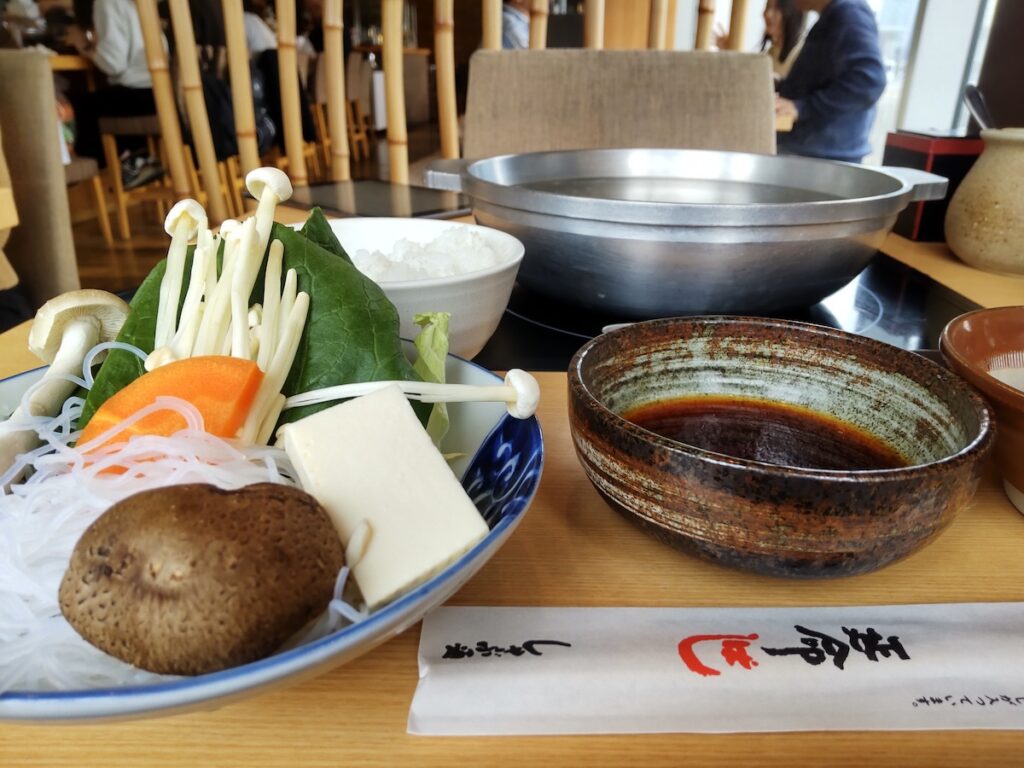
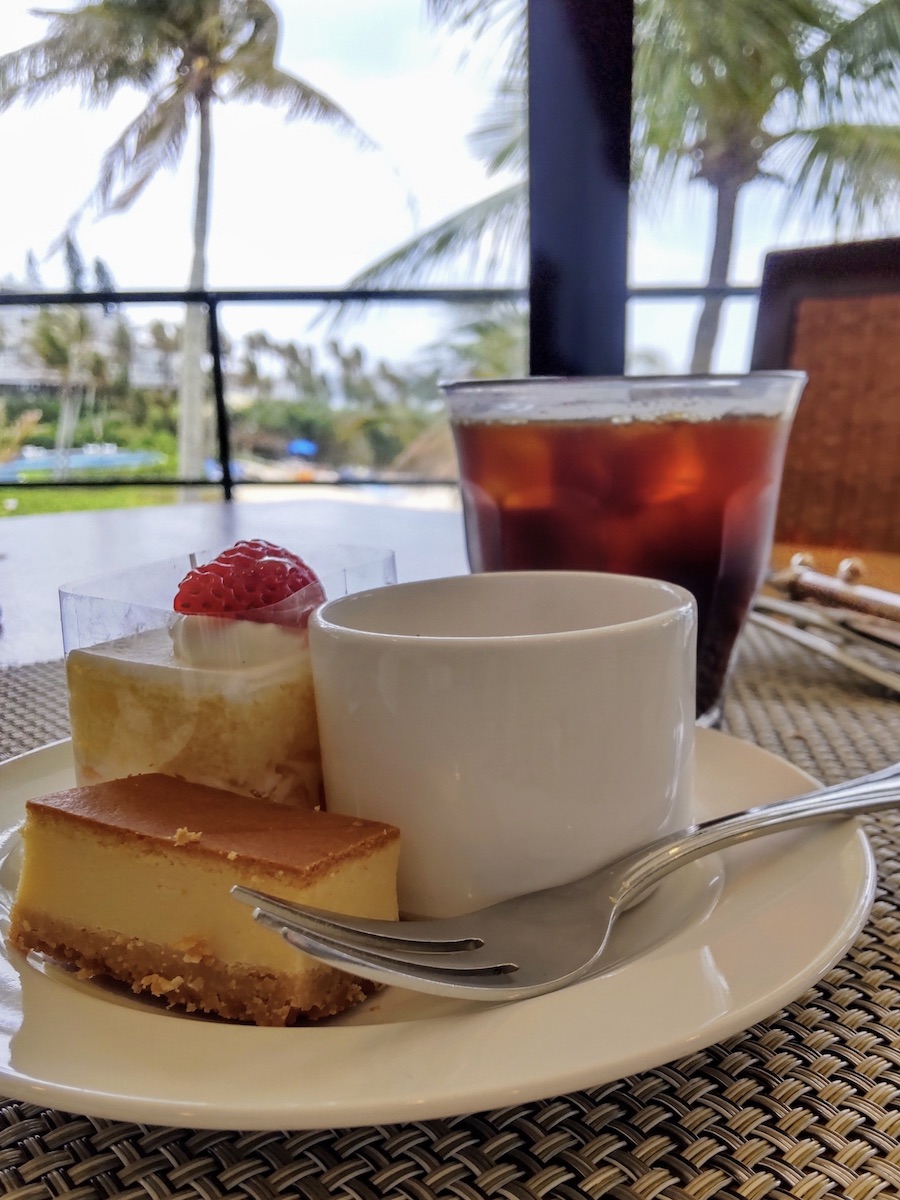
Being February, the main course was a hot pot, and the rest was served buffet-style that even had crab. I never expected to have crab or hot pot in Okinawa, but sitting by the ocean and indulging in all kinds of dishes and hotel-made cakes was pure bliss.
Quick Tips: Okinawan Architecture
While the hotel’s open, airy atmosphere initially reminded me of a resort in Hawaii, I soon discovered it was designed by the late Yukifusa Kokuba. He was a renowned Okinawan architect who also designed iconic landmarks like the Churaumi Aquarium. I learned that what looks like simple decorative patterns on the walls are actually “Hana-block”—perforated concrete designed to let powerful typhoon winds pass through safely. It’s fascinating to see how such a beautiful design is so deeply rooted in local wisdom and a respect for nature.
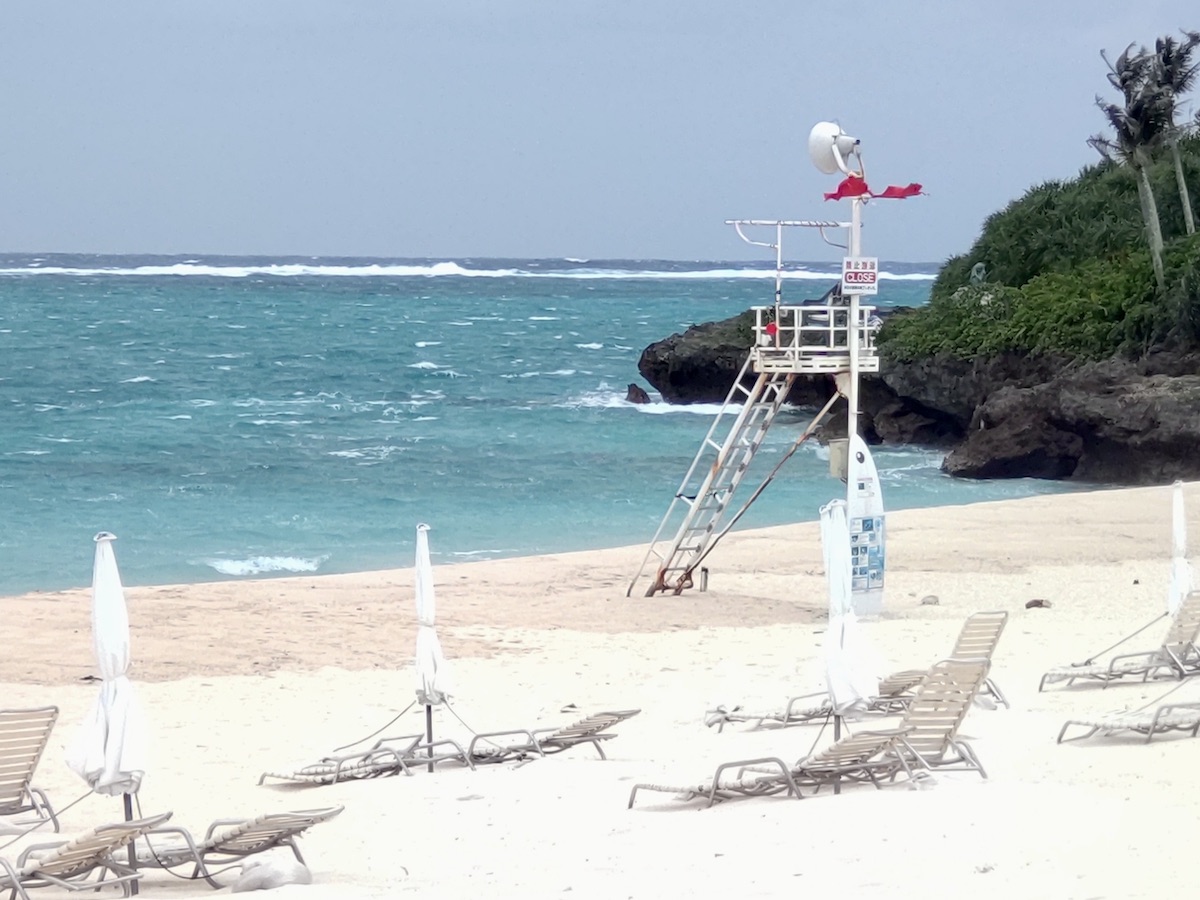
We visited Hotel Moon Beach Museum Resort for a seaside lunch during our trip to Okinawa. Although we didn’t stay overnight, the resort had a relaxed, classic atmosphere with palm trees and a beautiful beachfront setting.
If you’re considering a stay here, you can check the latest room rates and availability below.
Naha: Final Days
For a morning flight, staying your last night in Naha, close to the airport, is a safe and convenient choice. After lunch at Moon Beach, we headed back to DFS Galleria Okinawa to return our rental car, stopping at several scenic spots with ocean views along the way.
DFS Galleria has a fantastic selection of brands from around the world, and I picked up some Bacha Coffee as a souvenir, which hadn’t opened any stores in Tokyo at the time.
 Yakitori Dinner
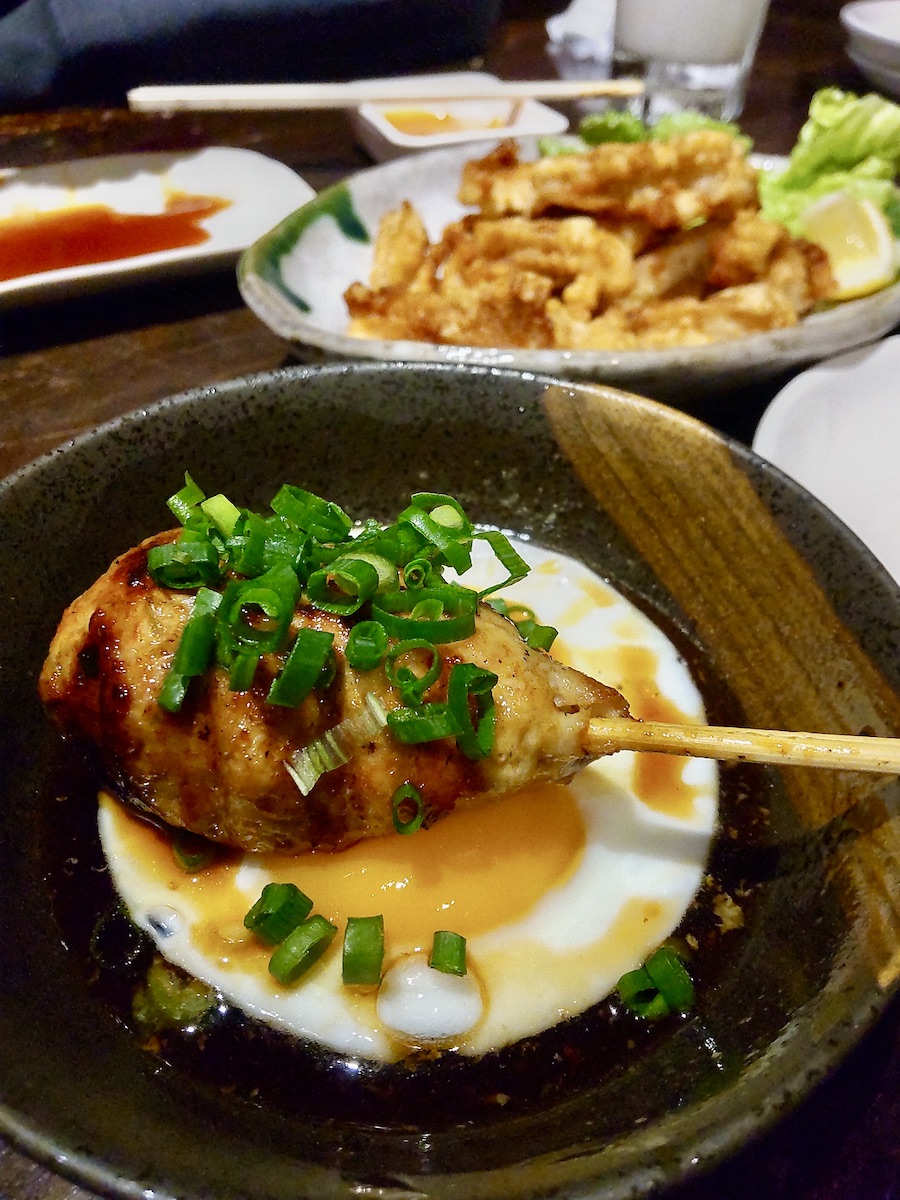
Once we’d checked in at our hotel in Naha, we went out to enjoy some yakitori at an izakaya (Japanese-style pub) called Kushikiyo that we had booked in advance. There are plenty of izakayas in Okinawa, but yakitori-focused spots are rare, likely due to the abundance of local Okinawan cuisine. In the photo, you can see tsukune—skewered, seasoned ground chicken grilled right on the spot. It was incredibly tender and delicious.
I mostly eat dinner at home, so I don’t go to izakayas very often since having kids. Still, freshly grilled yakitori at a restaurant is really delicious.
Local Insight: Family-Friendly Izakayas in Okinawa
While izakayas in Tokyo are often seen as adult-oriented drinking spots, Okinawa’s dining culture is incredibly family-friendly. It’s common to see families enjoying a nutritious meal together at local yakitori restaurants, making them a welcoming environment for travelers with children.
 Hotel Strata Naha
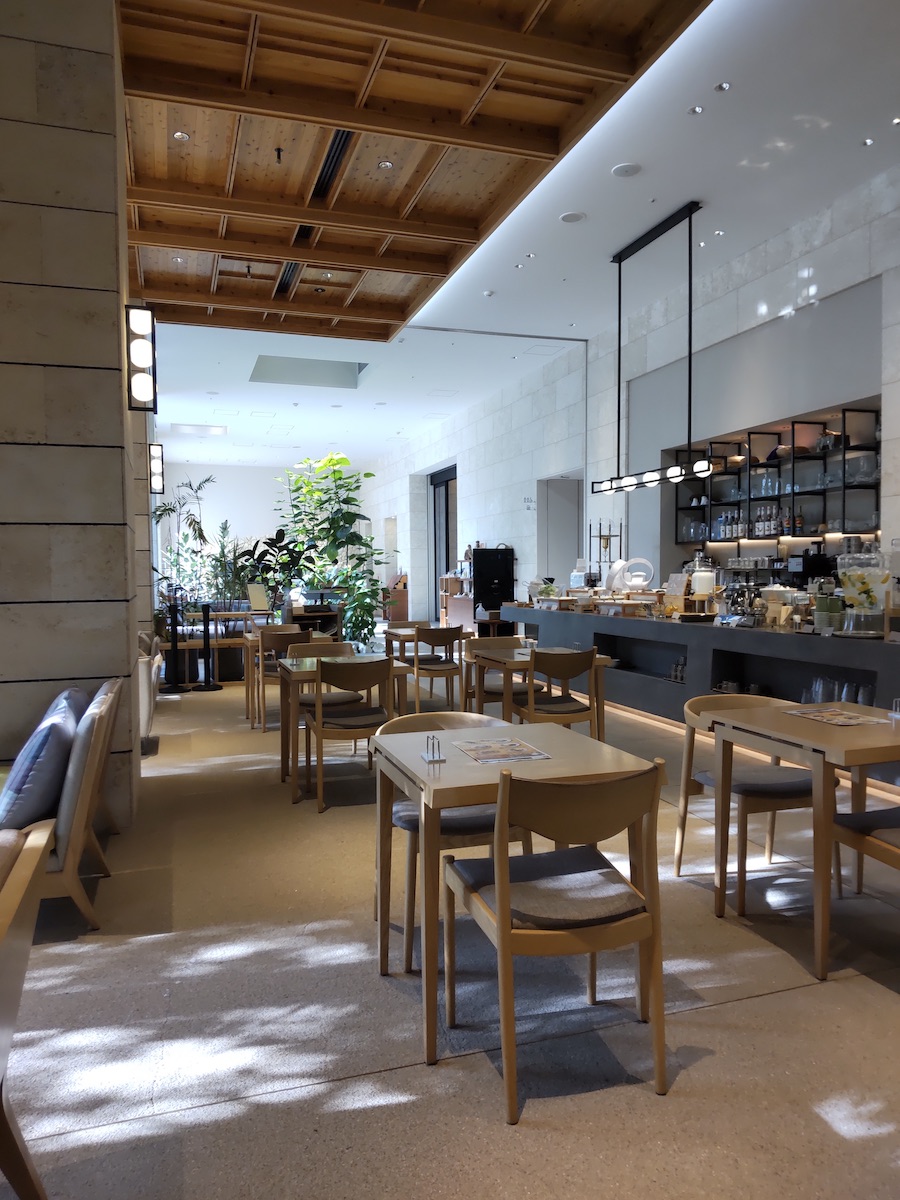
Now, let me show you the hotel where we stayed. The next morning, we headed to the restaurant and were greeted by floor-to-ceiling windows with a view of lush Okinawan greenery. Sunlight streamed through the windows, and the gentle sway of the trees outside created a truly beautiful sight. The chairs and tables were charming, and the interior had a lovely, inviting atmosphere.
The rooms also had a lovely, natural atmosphere. While compact, they were ingeniously designed to feel surprisingly spacious.
 Cozy Breakfast with Greenery
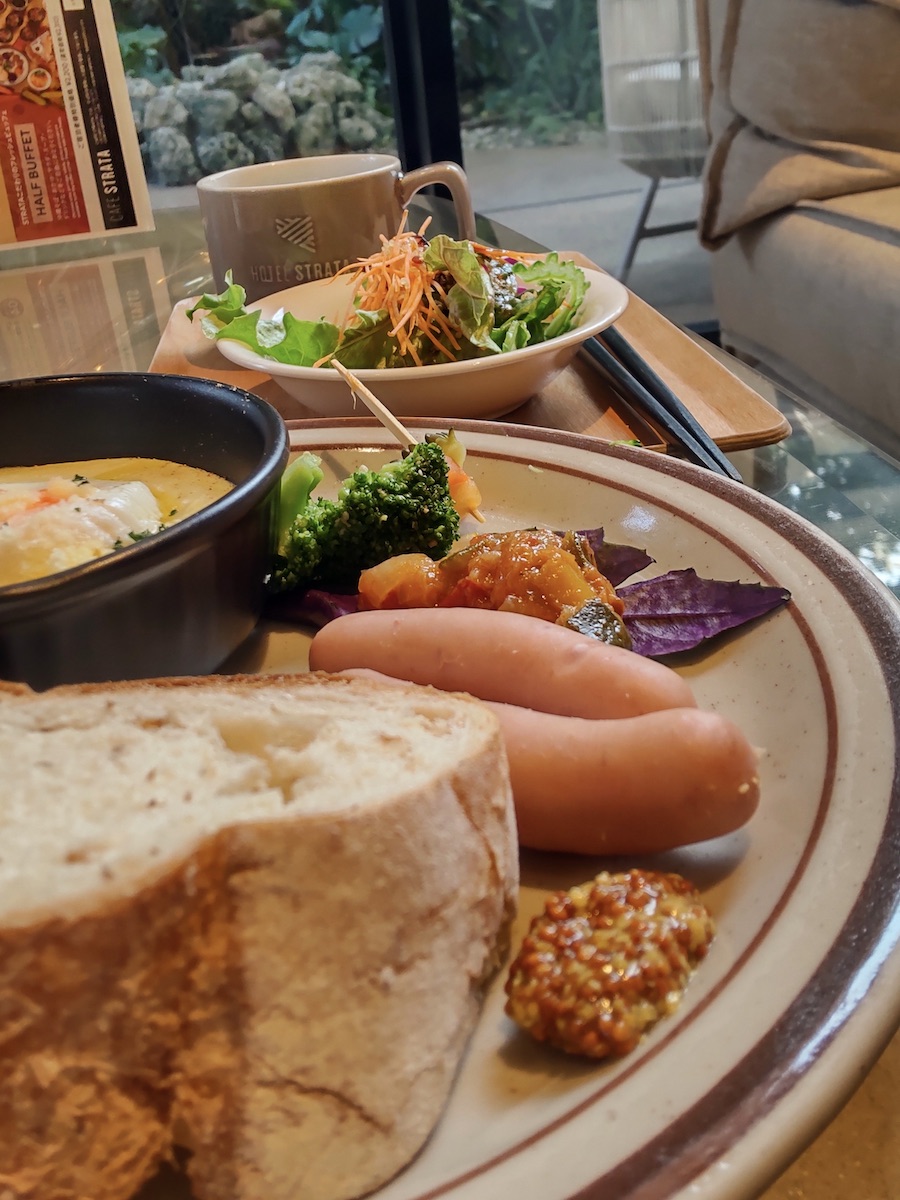
For breakfast, we chose a main dish from several options and enjoyed the rest from a buffet. The hotel uses many locally sourced ingredients from Okinawa, offering us authentic regional flavors. I particularly enjoyed trying a local vegetable called “Handama.” Its unique purple leaves are packed with nutrients, making it a truly special discovery for me.
Traveler’s Tip: Why Hotel Breakfasts Matter in Japan
In Japan, travelers often rank hotel breakfasts by popularity and consider them a highlight of their stay. Many hotels take great pride in their morning menus, especially those featuring local ingredients and regional flavors to attract guests.
 Morning Stroll Among Tropical Plants
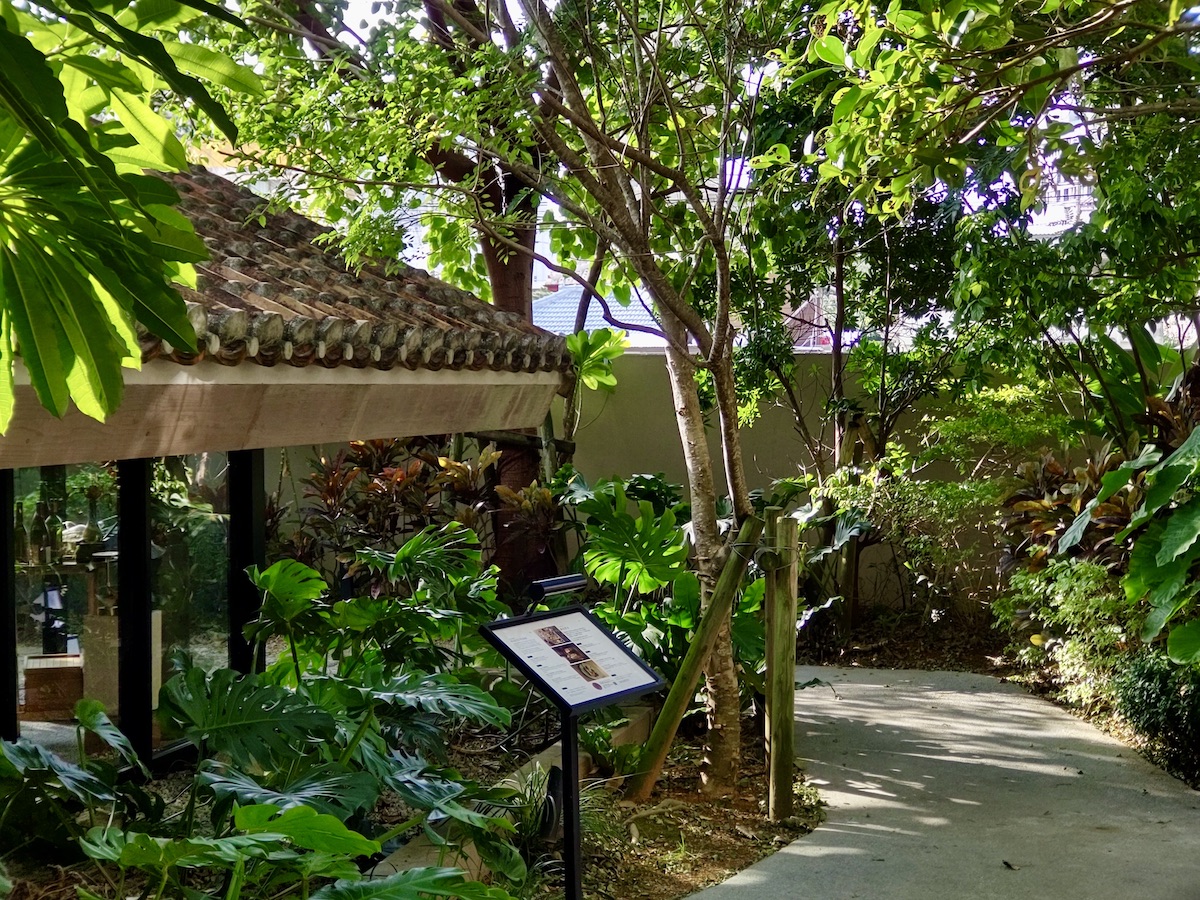
After breakfast, I wandered through the courtyard, which features a summer pool, a relaxing seating area. It is not a massive resort, but the hotel is truly wonderful. Although Naha is the most urban part of Okinawa, it’s wonderful to be able to enjoy a short stroll or a relaxing break surrounded by tropical greenery right after breakfast.
Tradition Meets Fine Dining
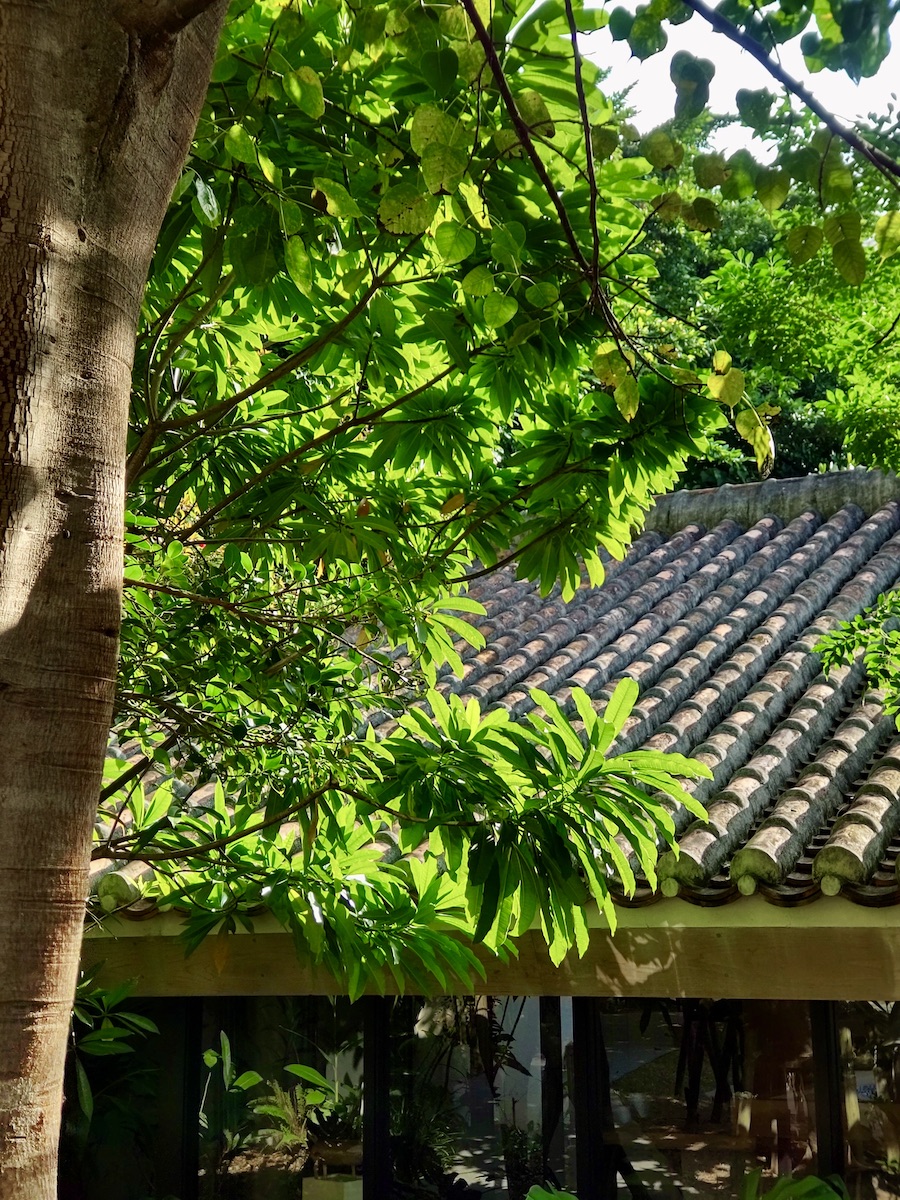
There is also a restaurant, MOSS okinawa. The restaurant featured a roof of traditional Okinawan red tiles. This restaurant is perfect for special occasions, with dishes that make the most of local ingredients and flavors. The tiles are said to be red because Okinawa’s soil is rich in iron. In Okinawa, where typhoons are common, the tiles are fixed in place with plaster. Surrounded by banyan trees and other greenery, the roof looked especially striking.
We stayed at Hotel Strata Naha for one night, and the overall experience was comfortable and relaxing. The hotel has a calm, modern atmosphere with easy access to central Naha, making it a great base for exploring the city.
If you’re planning a trip to Okinawa, you can check the latest room rates and availability below.
 After a Relaxing Stay
It was time for us to check out and head to the airport, marking the end of our warm winter getaway. This hotel is located right next to a Yui Rail station, making it very easy to get to the airport.
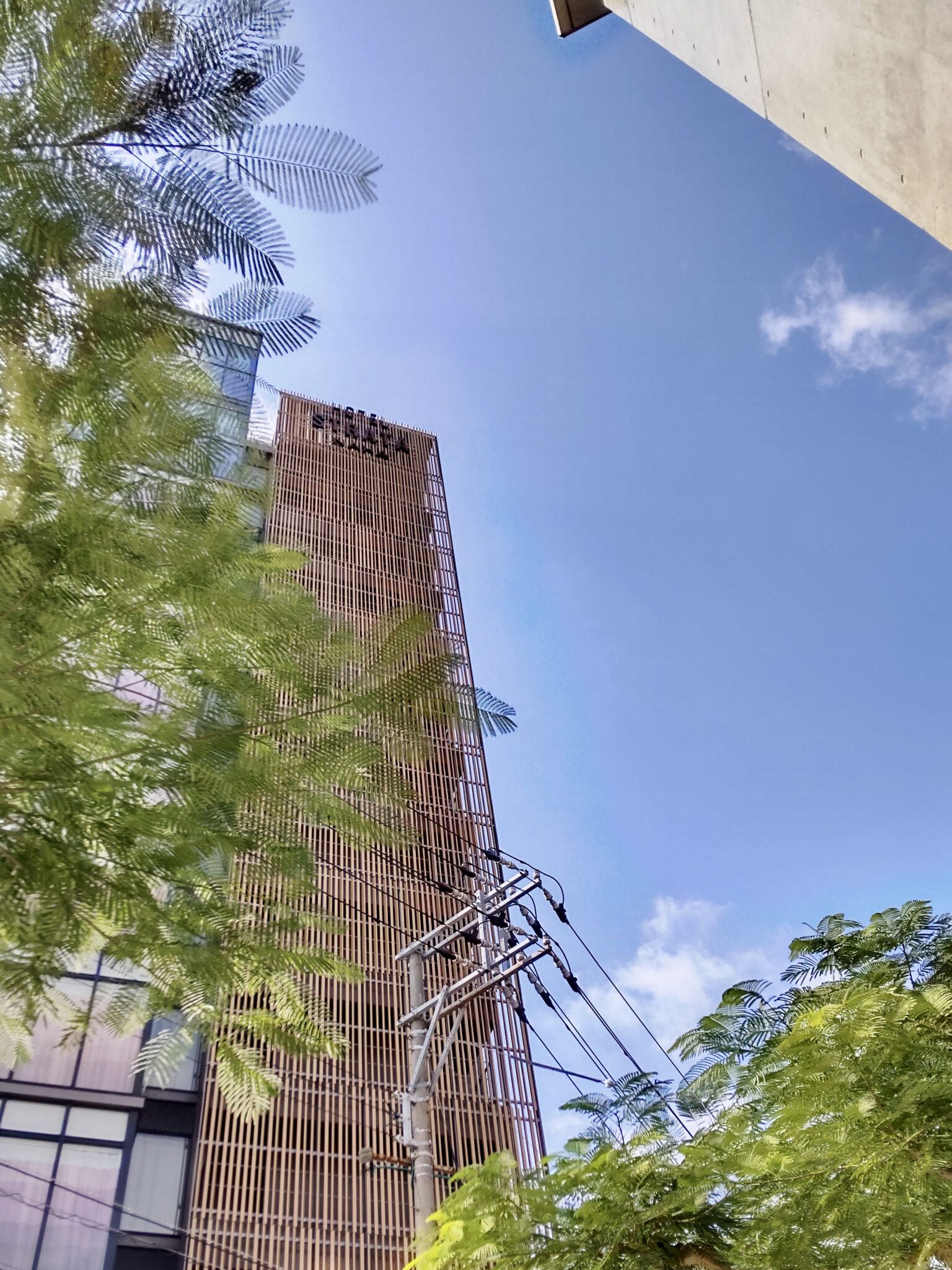
In this photo, you can see Hotel Strata and the leaves of a royal poinciana tree. Tokyo rarely shows this tree, but Naha officially celebrates it as the city tree. In summer, it blooms with vibrant red flowers.
 Yui Rail
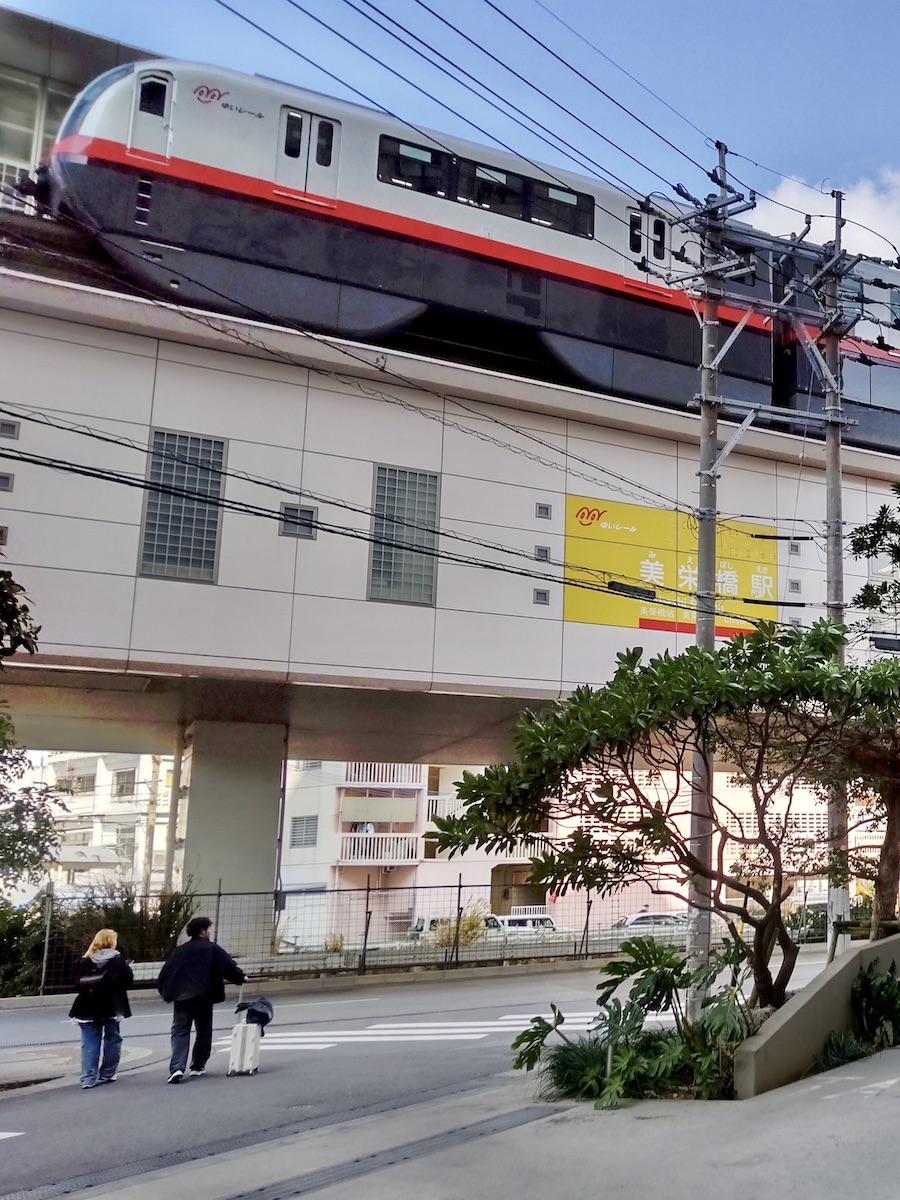
This is Yui Rail, Okinawa’s only monorail. Yui Rail opened in 2003, and before then, Okinawa had no train system. Over time, the line has expanded, providing a reliable and convenient way to get around Naha, a car-oriented city where traffic often clogs the streets.
On board, you hear Okinawan folk music whenever the train stops at a station—a small detail, but very cute and full of local character.
Conclusion
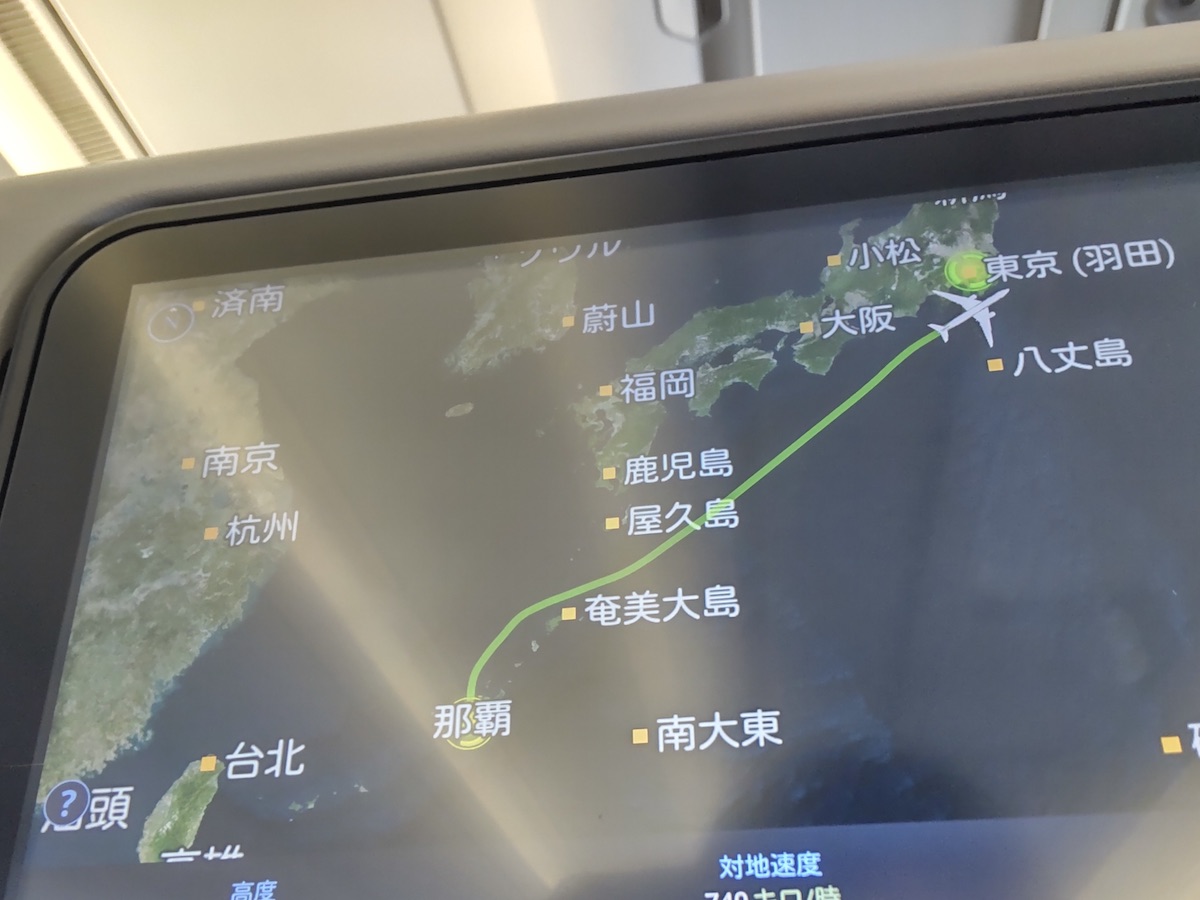
Okinawa offers a unique blend of tropical nature, rich culture, and relaxed island life—all within a short flight from Tokyo. Even in winter, the mild climate makes it a perfect destination for a refreshing getaway.
By planning your stay around Naha and exploring different parts of the island at your own pace, you can enjoy a smooth and stress-free trip. From local cuisine and scenic coastal views to cultural sites and resort experiences, Okinawa has something for every kind of traveler.
Whether it’s your first visit or a return trip, Okinawa is a place where you can truly unwind and enjoy a different side of Japan.
Recommended For:
• Travelers looking for a warm and relaxing winter escape
• Food lovers who want to enjoy Okinawan cuisine and unique local flavors
• Families traveling with children who prefer a stress-free and flexible itinerary
• Travelers who enjoy a mix of nature, culture, and resort experiences
Read my story on the About Me page:
Information
Information, prices and exchange rates are current as of my visit but may change. Please check official sites.
The Naha Terrace
Living Room Maroad
Cake set
– ¥1,300 (approx. $8.3 / €7.1)
Check room rates and availability:
– Booking.com
– Expedia
Access
– About 20 minutes by car from the airport
Okinawa soba
– English menu available
– ¥800 (approx. $5.1 / €4.3)
– Minoya
Tacos
1 piece
– ¥300 (approx. $1.9 / €1.6)
– Pizza House Jr. (Japanese only)
– Pizza House English website
Zakimi Castle
Admission Fee
– Free
– Google Maps
Grand Mercure Okinawa Cape Zanpa Resort
Check room rates and availability:
– Booking.com
– Expedia
Access
– Google Maps
– About 70 minutes by car from the Airport
– Limousine bus (B Area) from Airport
Steakhouse JAM
Tenderloin Course (150g)
– ¥4,600 (approx. $29.4 / €25.0)
Tropical juice
– ¥700 (approx. $4.5 / €3.8)
– Google Maps
Imoimo Tart
1 piece
– ¥150 (approx. $1.0 / €0.8)
– Okashigoten
THE MOON BEACH MUSEUM RESORT
All Day Dining Corallo
Buffet Lunch
– ¥3,500 (approx. $22.3 / €19.0)
Check room rates and availability:
– Booking.com
– Expedia
Access
– Google Maps
– About 45 minutes by car from the airport via highway
– Limousine bus (C or CD Area) from Airport
Yakitori
Yakitori Tsukune
– ¥280 (approx. $1.8 / €1.5)
Access
– About 390 ft (120 m) from Miebashi Station
– Reservations are recommended
– Kushikiyo
Hotel Strata Naha
Check room rates and availability:
– Booking.com
– Expedia
Access
– About 360 ft (110 m) from Miebashi Station
– About 15 minutes by car from the airport
–Moss Okinawa English website
This article contains affiliate links. We may earn a commission at no extra cost to you.