Last Updated on March 2, 2026
Japanese Tastes
New to Japan or a seasoned traveler, nothing beats enjoying authentic Japanese flavors in cozy local spots. In this article, I’ll share my favorite places to try soba noodles and shabu-shabu around Tokyo, along with tips on how to enjoy each dish like a local and how to avoid the crowds. Whether you’re planning a food-focused trip or just looking to savor authentic Japanese cuisine, my experience will help you make the most of your visit.
In Tokyo
Yurakucho in Tokyo sits right next to Ginza, but nowadays many younger working professionals prefer to spend time here. Compared to places like Shibuya or Harajuku, the neighborhood offers a much calmer atmosphere while still allowing you to enjoy a variety of shopping experiences. At the same time, the area is home to many old-fashioned bars, and plenty of people visit at night to enjoy that nostalgic atmosphere. Let me show you a shabu-shabu spot in the area where you can experience authentic Japanese tastes.
Ginza Shabutsu Marronnier Gate
Since it was a Saturday, I arrived at the restaurant, Shabutsu, around 11:30 a.m.—a bit earlier than usual—to beat the crowds. Even so, the seats were already full and two groups were waiting ahead of me. I wasn’t in a rush, so I waited, and was seated in about 20 to 30 minutes.
Shabu-Shabu
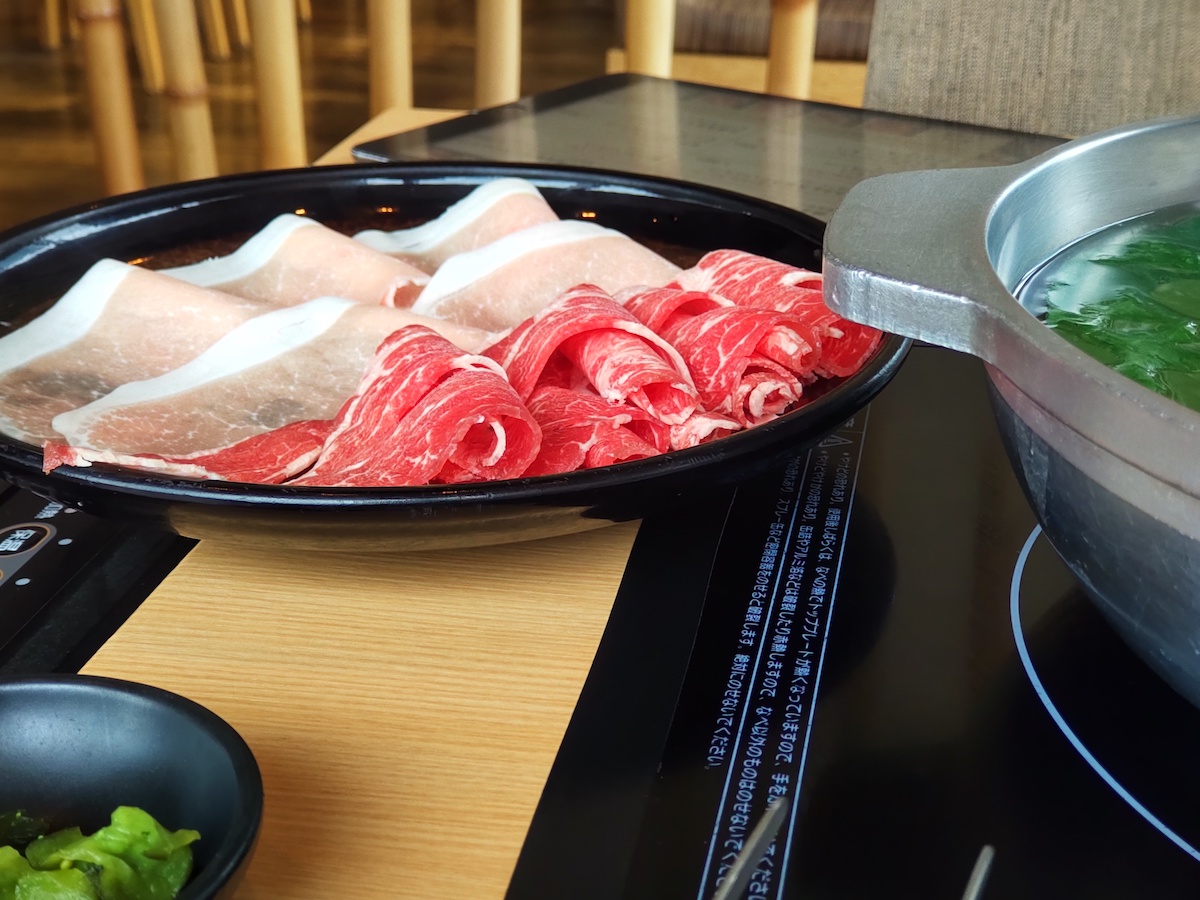
Shabu-shabu is a type of Japanese hot pot, but instead of simmering the meat, you briefly swish thin slices in hot water one bite at a time before eating. With a variety of vegetables included, it makes for a well-balanced meal. Since you cook shabu-shabu at the table, the restaurant serves the dishes fairly quickly after you order.
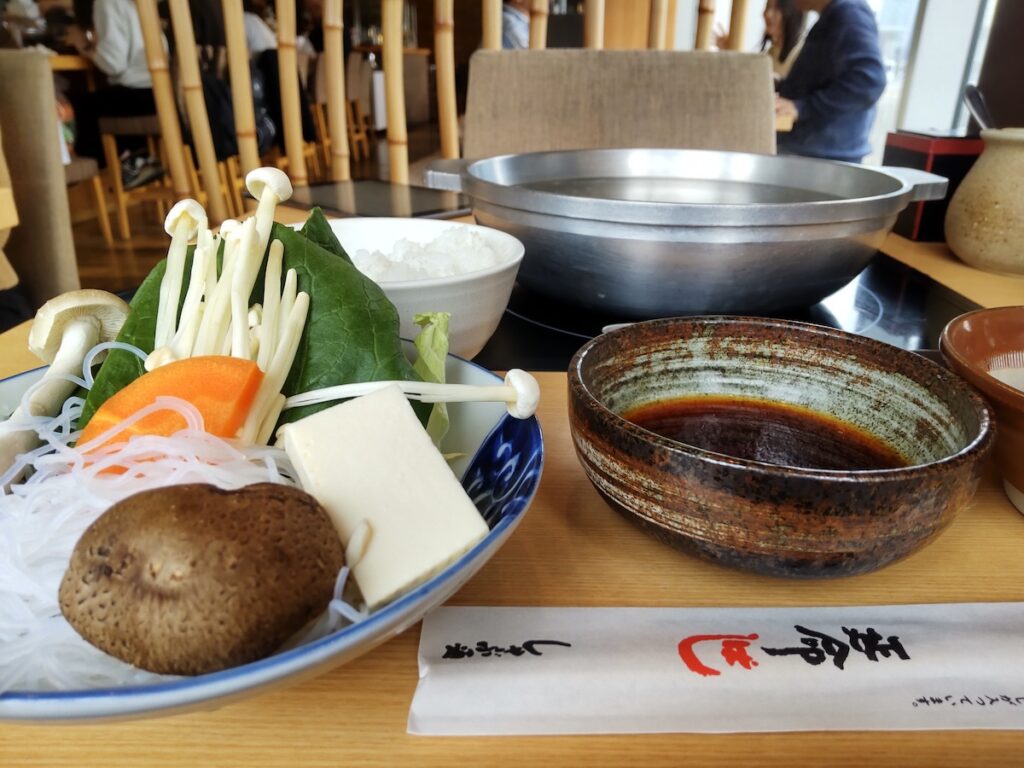
Along with the vegetables, I was served rice, two kinds of meat, and two dipping sauces. One was a light soy-based sauce with a refreshing citrus taste (called ponzu), while the other was a rich sesame sauce. Ponzu is a standard sauce for hot pot and is hard to go without.
At this restaurant, the sesame sauce came with a small bowl of whole sesame seeds. I ground them myself and added them to the sauce, which felt healthy and made it especially flavorful. Having both the tangy soy-based sauce and the creamy sesame sauce allowed me to enjoy the meal to the very last bite without ever getting bored.
Enjoying Every Last Drop
At the end, a small cup containing salt and pepper was brought over. I poured some of the broth from the pot into the cup, turning it into a flavorful soup enriched with the juices from the vegetables and meat. In Japan, it’s often the case that people enjoy the leftover broth, which soaks up the flavors of all the ingredients. You can drink it as a soup, turn it into zosui (rice porridge), or even add noodles. I felt my body warming up as the nutrients seemed to soak into every part of me.
Helpful Hints
-
-
Use dedicated tongs: To stay safe, always use the dedicated tongs (or specific chopsticks) provided for handling raw meat. Avoid using your own chopsticks to pick up the raw slices.
-
Add “hard” ingredients first: Start by putting in ingredients that take longer to cook, such as mushrooms, carrots, and other root vegetables. This ensures everything is perfectly cooked when you’re ready to eat.
-
Avoiding Crowds
Yurakucho gets extremely crowded on weekends. While the crowds don’t affect shopping too much, dining is a different story. You will find long lines at almost every restaurant and cafe. I highly recommend booking in advance or visiting on a weekday.
Although visiting Shabutsu without a reservation gives you access to more affordable course menus, the restaurant gets very crowded. I highly recommend making a reservation. It guarantees your seat and lets you enjoy a higher-grade cut of meat. Google Maps offers multiple booking options, but I recommend TableCheck because it’s easy and allows you to make a reservation in English.
Japanese Desserts
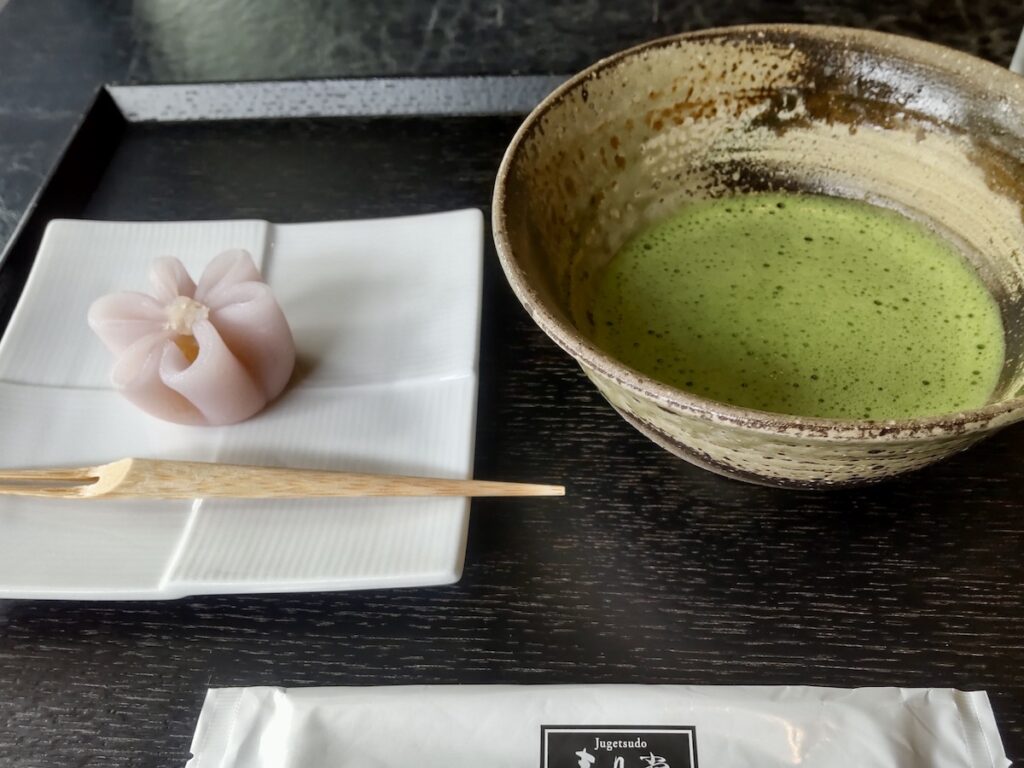
During another visit to Yurakucho, I treated myself to anmitsu, a classic Japanese sweet, and I’d like to share this delightful experience.
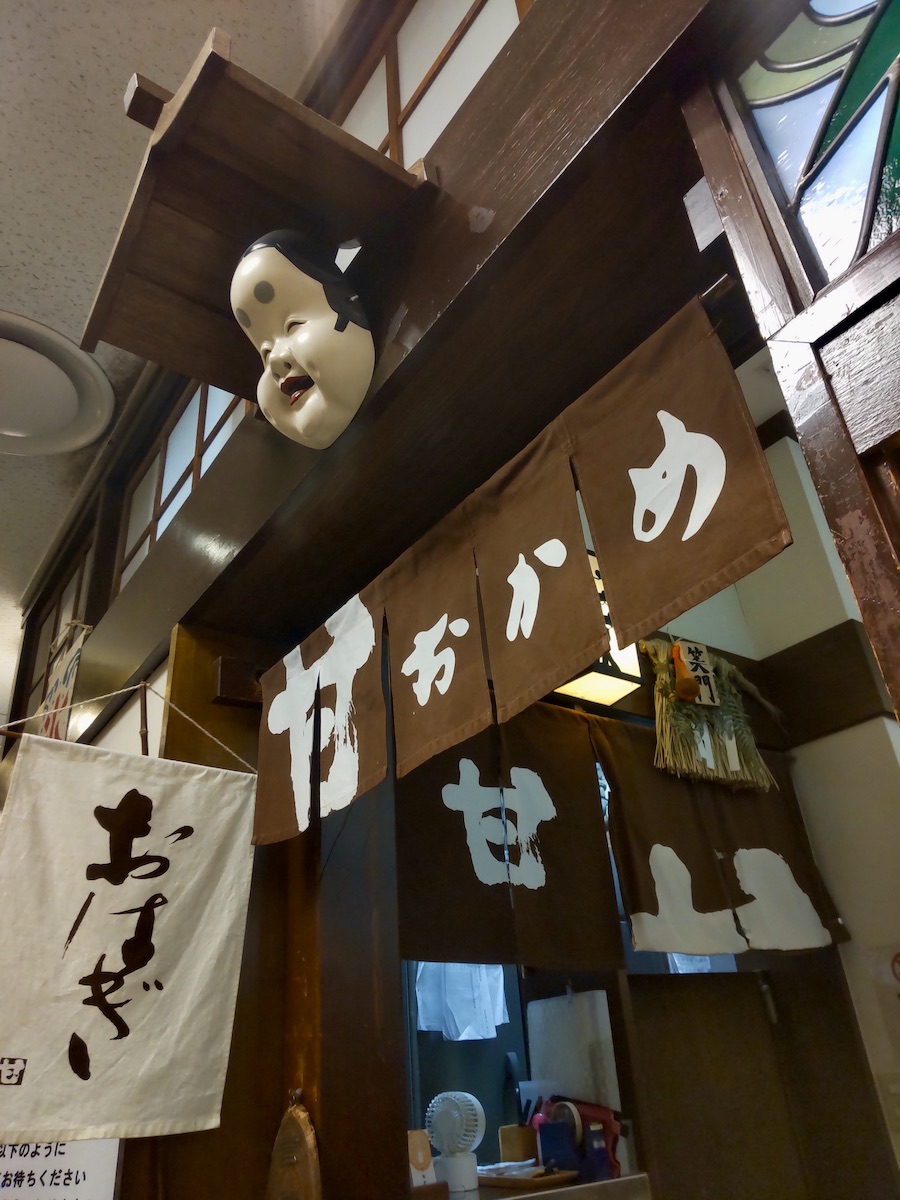 Okame is a traditional Japanese sweets cafe. The shop sits in the basement of a building, but inside, it features plenty of wood and traditional Japanese crafts, creating a warm and authentic atmosphere. I enjoyed a relaxing moment here after my stroll through the city center.
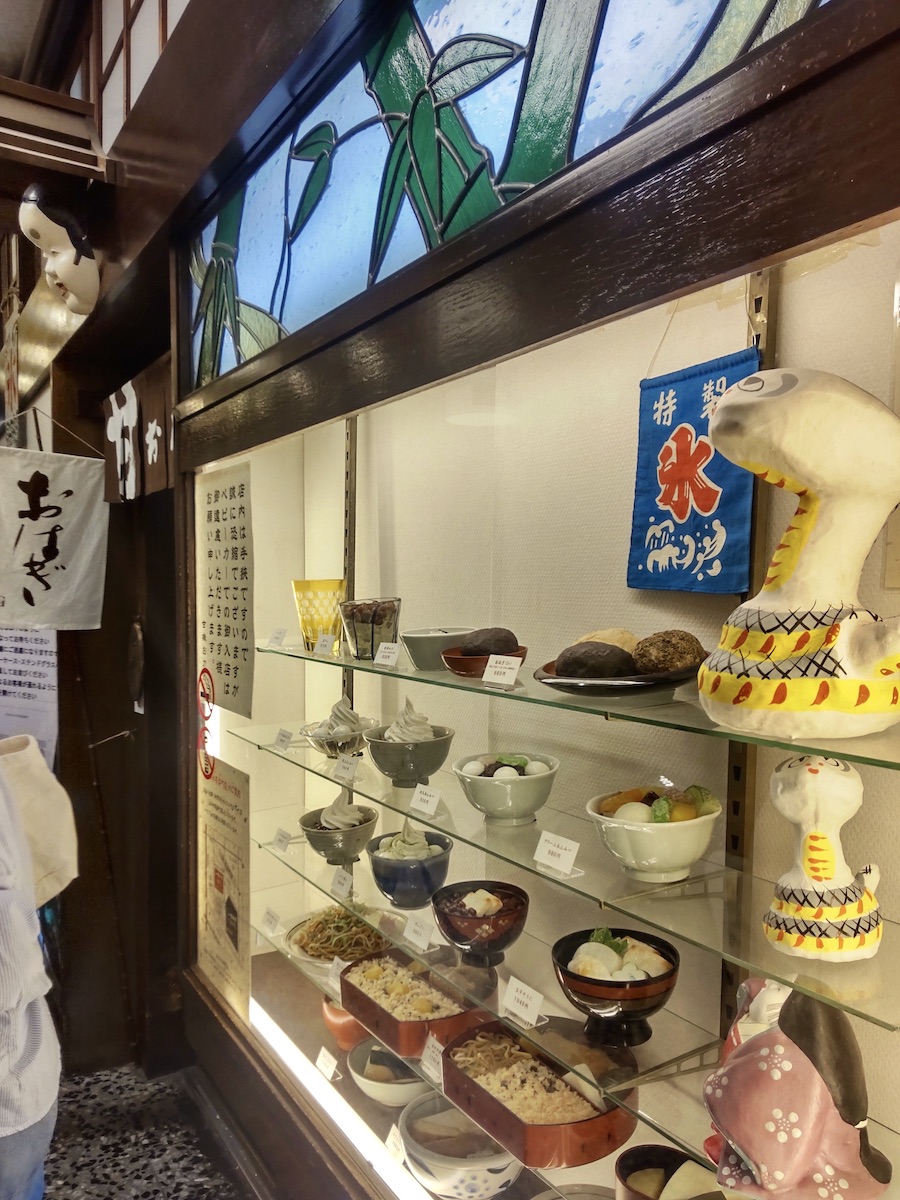 At Japanese sweets cafes like this, you can often find light meals in addition to the desserts. This shop also serves dishes like oden, which is flavored with a savory broth, and sometimes the aroma inside the store is quite appetizing.
I’d really love to try it, but if I order both on my own, I don’t think I could finish everything—so I always end up choosing anmitsu. I’d love to try a meal here next time.
 What is Anmitsu?
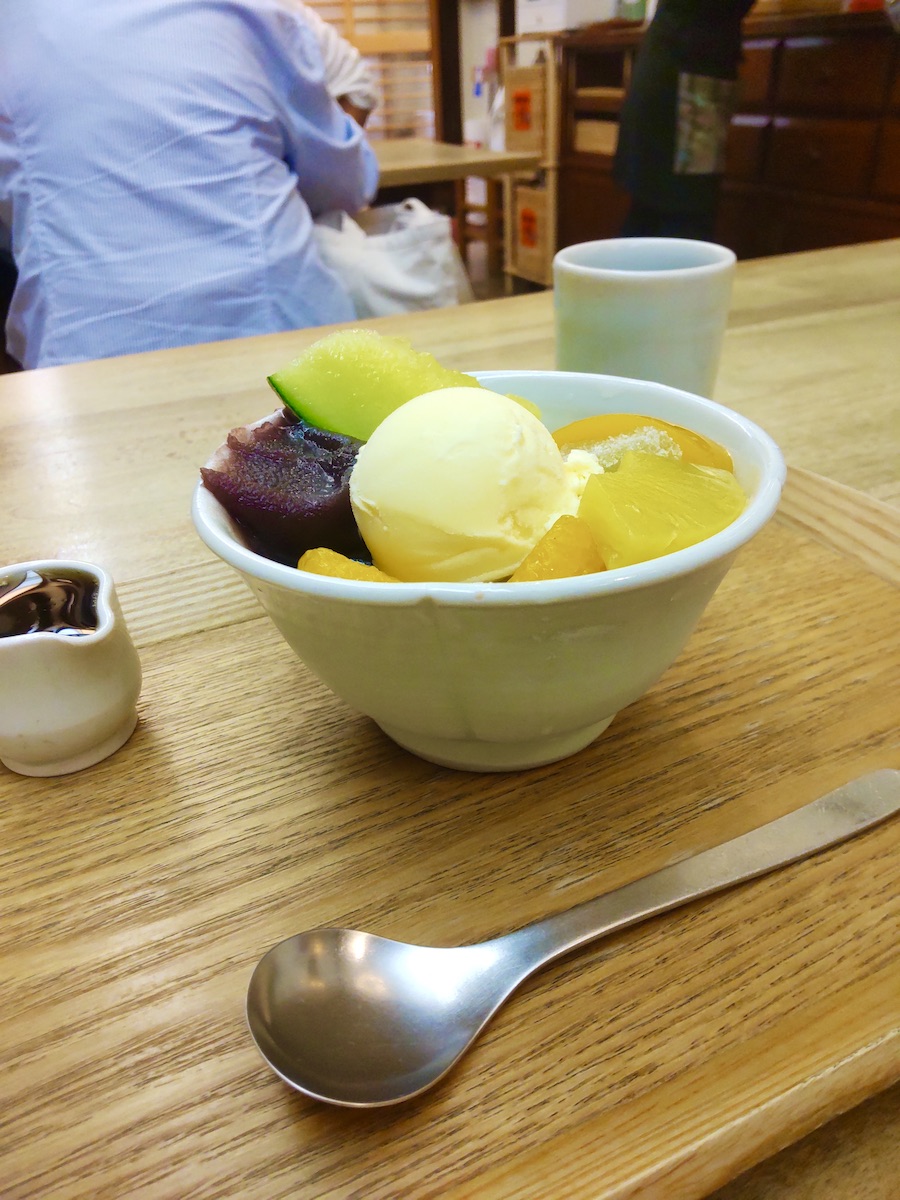 What is Anmitsu?
This dessert features a kanten jelly base, served with sweet red bean paste, fruit, and often a scoop of ice cream. Kanten is made from seaweed and is considered a healthy food. It’s also common to drizzle kuromitsu, a dark sugar syrup, over the top. Supermarkets and convenience stores sell it too, but the kanten’s springiness and the anko’s quality can’t match the taste at a specialty shop.
Now, here is the Cream Anmitsu I ordered. The combination of sweet red bean paste, ice cream, and springy kanten jelly may seem a bit unusual to Western palates, but it’s perfect when you want to enjoy a traditional Japanese dessert. Toppings can range from simple to more elaborate. If it’s your first time, I recommend choosing one with plenty of ingredients so you can enjoy a variety of flavors.
The combination of textures—springy kanten jelly, creamy ice cream, and smooth, rich black syrup—was truly exceptional. With so many refreshing fruits inside, every spoonful brought me the joy of deciding which piece to savor next. It was a truly satisfying bowl, filled with sweetness and plenty of nutrients.
Avoiding Crowds
There’s another location in Yurakucho, but it’s newer and always has a long line. Although this restaurant is on the smaller side, I felt that the tables turn over quite quickly, so you might not have to wait as long as you’d expect. If you’re looking for a quick and easy way to experience these flavors without spending too much time, I highly recommend this location.
In Chiba
On a rainy day in October, I enjoyed a relaxing soba lunch with my parents at a quiet, non-touristy soba restaurant in Chiba Prefecture, away from the usual crowds. This restaurant, Suzume An, is a perfect example of a quiet, local soba spot that many travelers often miss. It sits tucked away from the tourist areas in a peaceful, quiet spot in Chiba. I’ll share practical tips based on my experience on how to choose and enjoy soba noodles in Japan.
At Suzume An
 At Suzume An
We drove there by car, and upon arrival, we immediately noticed its building. It is relatively new, yet the design follows a simple, traditional Japanese style.
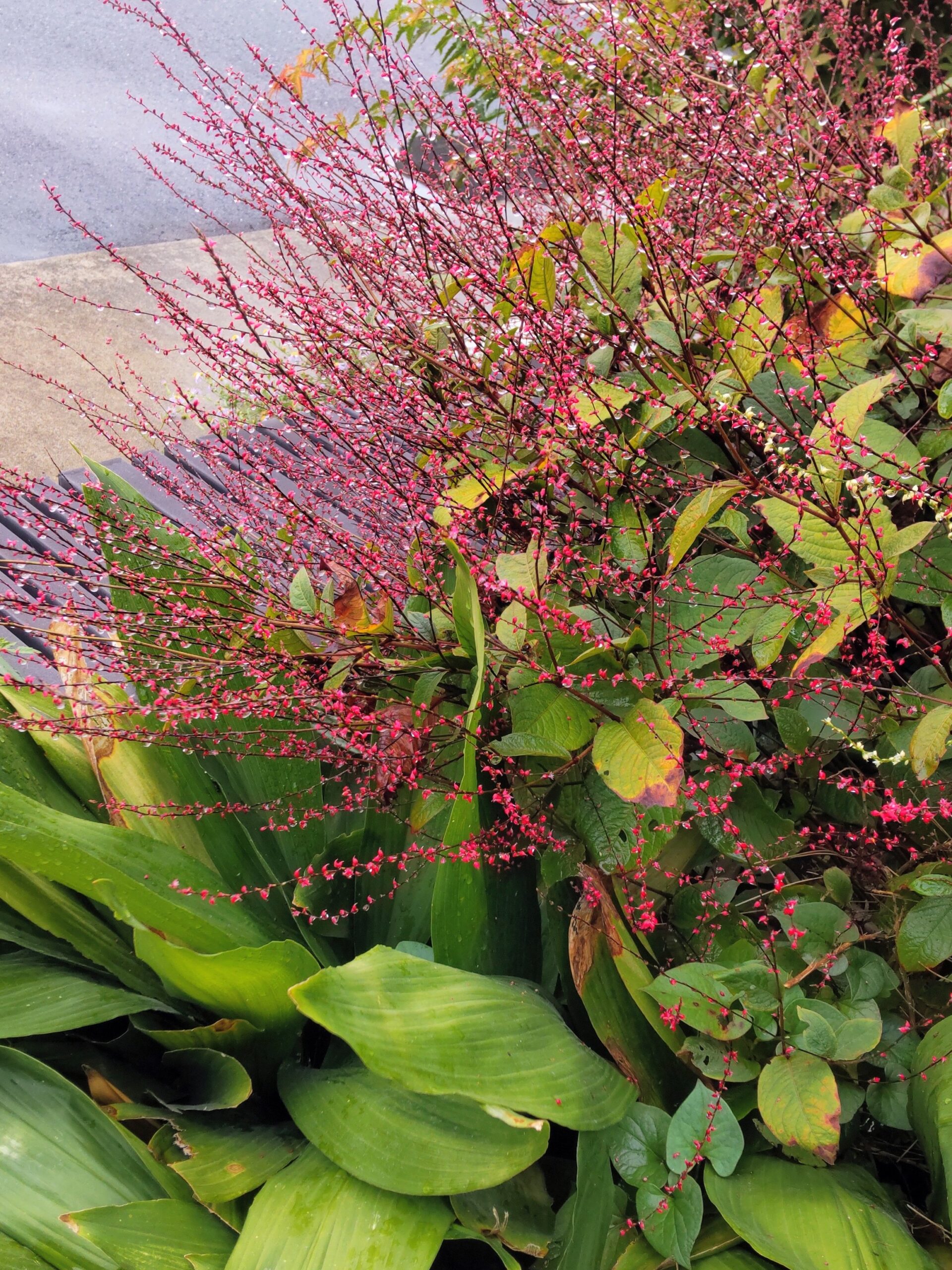
In addition, I found a small garden corner near the entrance where Mizuhiki flowers grew beautifully in the ground. Mizuhiki is a plant commonly found growing wild across Japan. The plant gets its name “Mizuhiki” because its tiny red and white flowers resemble the decorative paper cords used for Japanese gifts. On that rainy day, delicate raindrops clung to the slender stems and leaves, making the plants look even more vibrant and alive.
I couldn’t resist taking a photo, and it was so striking that it now appears on the homepage of this website. The combination of the lush greenery and the gentle drizzle created a quiet, almost magical moment that felt uniquely Japanese.
Soba
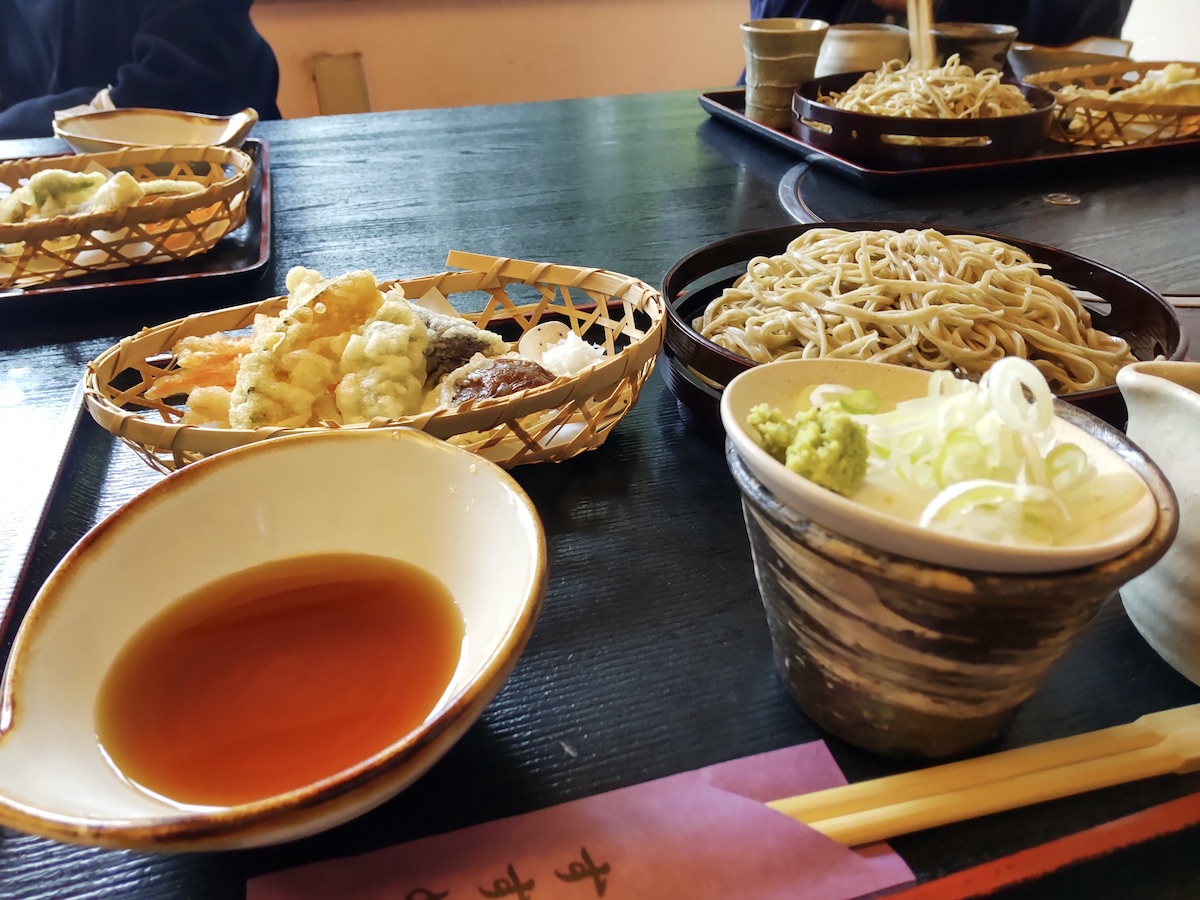
Since it had been a while since I last had a meal with my parents, I wanted to make the occasion feel special. I ordered the juwari soba set, which came with a side of vegetable tempura. By chance, the juwari soba we had that day was made with buckwheat flour from this year’s peak season. This made it truly a special experience.
Soba Flour Ratio
In Japan, people sometimes classify soba noodles based on the ratio of wheat flour to buckwheat flour. This restaurant offers two varieties. One is ni-hachi soba, made with 20% wheat and 80% buckwheat. The other is ju-wari soba, which uses 100% buckwheat flour.
Ni-hachi refers to the numbers two (2) and eight (8). Ni-hachi Soba is also very popular because it offers a smooth texture that goes down easily, while still preserving the rich aroma of the buckwheat.
Wari is a traditional Japanese unit used to express proportions or percentages. Ichi(One)-wari means 10%, and Ju(ten)-wari means 100%. Juwari soba can sometimes feel a bit crumbly since it contains no wheat flour as a binder. However, this restaurant’s skill made it surprisingly smooth and easy to swallow, and I could also enjoy the rich flavor of the buckwheat.
Which soba should you choose?
If it’s your first time trying soba in Japan, I would recommend ni-hachi soba because it’s smoother and easier to eat. Juwari soba is better suited for people who already enjoy the rich aroma of buckwheat. Some restaurants, like this one, offer several different types of soba, making it fun to compare and taste the differences.
Quick Tip: Shin-Soba
In Japan, people often add the word “shin,” meaning “new,” to seasonal foods like rice, potatoes, or chestnuts to highlight their fresh, just-harvested flavor. The soba we enjoyed that day was “Shin-soba.” Available from around October, it’s a wonderful way to experience the season’s freshest buckwheat.
Tempura
Tempura is lightly battered and deep-fried vegetables or seafood, and it is often served as a side dish with soba noodles. By alternating between the light, refreshing taste of soba and the hot, crispy tempura, you can enjoy the meal all the way to the last bite.
The tempura I ordered, served in a basket, included carrot, eggplant, shiitake mushrooms, pumpkin, and green peppers, allowing me to enjoy a bit of each vegetable. The dishes were arranged beautifully on the tray, which enhanced the colors and textures of all the ingredients.
The Essential Extras
The soba came with green onions and wasabi, and the tempura was served with a small portion of grated daikon (Japanese raddish). These additions let us notice subtle changes in flavor throughout the meal.
At the end of the meal, we added sobayu to our dipping sauce. Sobayu is the hot water used to boil soba noodles. This traditional custom creates a warm, nutrient-rich soup to finish the meal. If you pour too much soba sauce, it can become too salty, so adjust it to your taste.
Where We Sat
The interior was spotless, and you could tell that the staff pay close attention to every detail. The staff led us to the Japanese tatami room at the back, which had a peaceful atmosphere, almost like a private little retreat away from the hustle of the city. Our table was a cozy Hori-gotatsu style, perfect for stretching out our legs comfortably while enjoying the meal.
What is Kotatsu?
kotatsu is traditionally a low table with a heater underneath, usually set up in a washitsu (Japanese-style room) with tatami mat flooring. People drape a blanket over it to keep their legs cozy and warm during the cold season.
Horigotatsu is a unique type of Japanese table with a recessed floor, allowing you to stretch your legs and sit comfortably. Traditionally, the heat source—such as charcoal—was placed at the very bottom of the pit. However, for modern safety reasons, these have evolved to feature electric heaters tucked securely under the tabletop.
Since this is a restaurant, not a home, they might not place blankets over the tables in winter. Nevertheless, the hori-gotatsu style still lets you enjoy the calm atmosphere of the tatami room while comfortably stretching your legs, which makes the dining experience cozy and relaxing.
Moreover, we noticed a baby lying peacefully on the tatami floor, which clearly showed how comfortable and family-friendly the space was. In particular, the hori-gotatsu’s sunken floor allowed adults to stretch their legs while keeping the baby nearby.
Tip for travelers
For travelers who are not used to sitting on the floor, hori-gotatsu seating is a great option. It offers a traditional Japanese atmosphere while still being comfortable, even for longer meals. Just remember that you’ll need to take off your shoes, and be careful when standing up, as there is a space under the table for your legs.
Overall, it was a delicious and relaxing lunch. Although the portion satisfied us, you can easily order extra soba if you feel like having more. Additionally, the restaurant seems to offer Japanese-style desserts, which I’m looking forward to trying on my next visit.
Final Thoughts
I’ve introduced several Japanese dishes in this article—what did you think?
As I was writing, I realized that many Japanese meals involve a bit of hands-on preparation at the table. The order or small steps might feel unfamiliar at first, but that’s also the beauty of it—you can adjust everything to suit your own taste.
Enjoy your culinary adventure in Japan!
Information
Information, prices and exchange rates are current as of my visit but may change. Please check official sites.
Shabutsu Marronnier Gate
Lunch
– ¥1,200 (approx. $7.7 / €6.5)
Access
– About 850 ft (260 m) from Yurakucho Station
Okame Tokyo Kotsu Kaikan
Cream Anmitsu
– ¥980 (approx. $6.3 / €5.3)
– About 430 ft (130 m) from Yurakucho Station
Suzume An
– Closed on Wednesdays
Tempura with upgraded soba
– ¥1,800 (approx. $11.4 / €9.7)
Who this restaurant is suitable for
- People looking for a calm lunch away from tourist crowds
- Visitors who want to experience traditional soba in a relaxed setting
- Families or older travelers who prefer a quiet atmosphere
Access
– About 0.7 mi (1.2 km) from Nagareyama Otakanomori Station
– For those without a rental car, a taxi is a convenient option