Last Updated on September 29, 2026
Disclosure: This article may contain affiliate links.
Tokyo Dome area offers a wide variety of lunch options, from refined Japanese cuisine to casual international restaurants. In this article, I introduce two lunch spots near Tokyo Dome that I personally visited:
- Lunch Spot 1 — A Traditional Kyoto-Style Restaurant with Seasonal Flavors
-
Lunch Spot 2 — A Casual Thai Café for a Spicy Boost
What you’ll find in this guide:
- Where to eat near Tokyo Dome: From Kyoto cuisine to casual Thai
- What to eat: Authentic seasonal dishes, specialty yuba, and bold Thai flavors
- Tokyo Dome City: Attractions, shopping, and how to enjoy the area beyond baseball games
Lunch Spot 1 — Yugyoan Tankuma Kitamise
A Traditional Kyoto-Style Restaurant with Seasonal Flavors
This time, I visited Yugyoan Tankuma Kitamise, a long-established restaurant specializing in traditional Kyoto cuisine. Located on the 4th floor, it offers a perfect view of Tokyo Dome from the dining area.
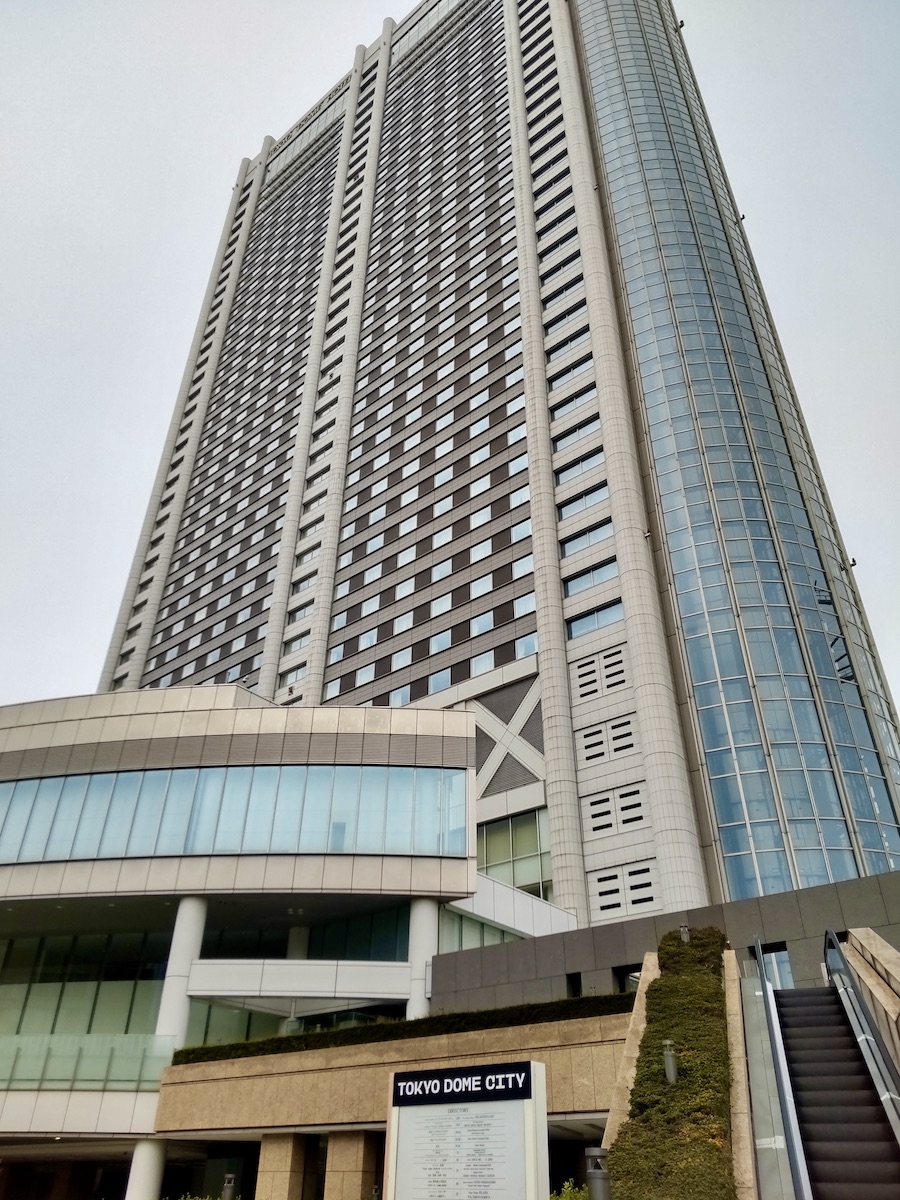
This is Tokyo Dome Hotel, located right between Suidobashi Station and Tokyo Dome. This entire area is known as Tokyo Dome City. This complex features not only Tokyo Dome but also the Tokyo Dome Hotel, an amusement park, a spa, and a shopping mall. Koishikawa Korakuen Garden, which I introduced in a previous post, is also just a short walk away.
Savoring the Flavors of Fall
In Japan, autumn is traditionally a season for enjoying the arts, reading, and especially food—reflected in the phrase “shokuyoku no aki” (the season of hearty appetites). With so many delicious ingredients at their peak, it’s the perfect time to savor great meals before winter arrives.
The restaurant serves traditional Kyoto-style Japanese haute cuisine that developed over centuries in Kyoto. It is known for its delicate flavors, beautiful seasonal presentation, and the careful use of dashi (savory broth) as its foundation. I was looking for a place where I could enjoy yuba (tofu skin), a Kyoto specialty, and that’s how I discovered this restaurant.
The menu and prices have changed since my visit. This article introduces the dishes that were served during my visit.
Appetizers
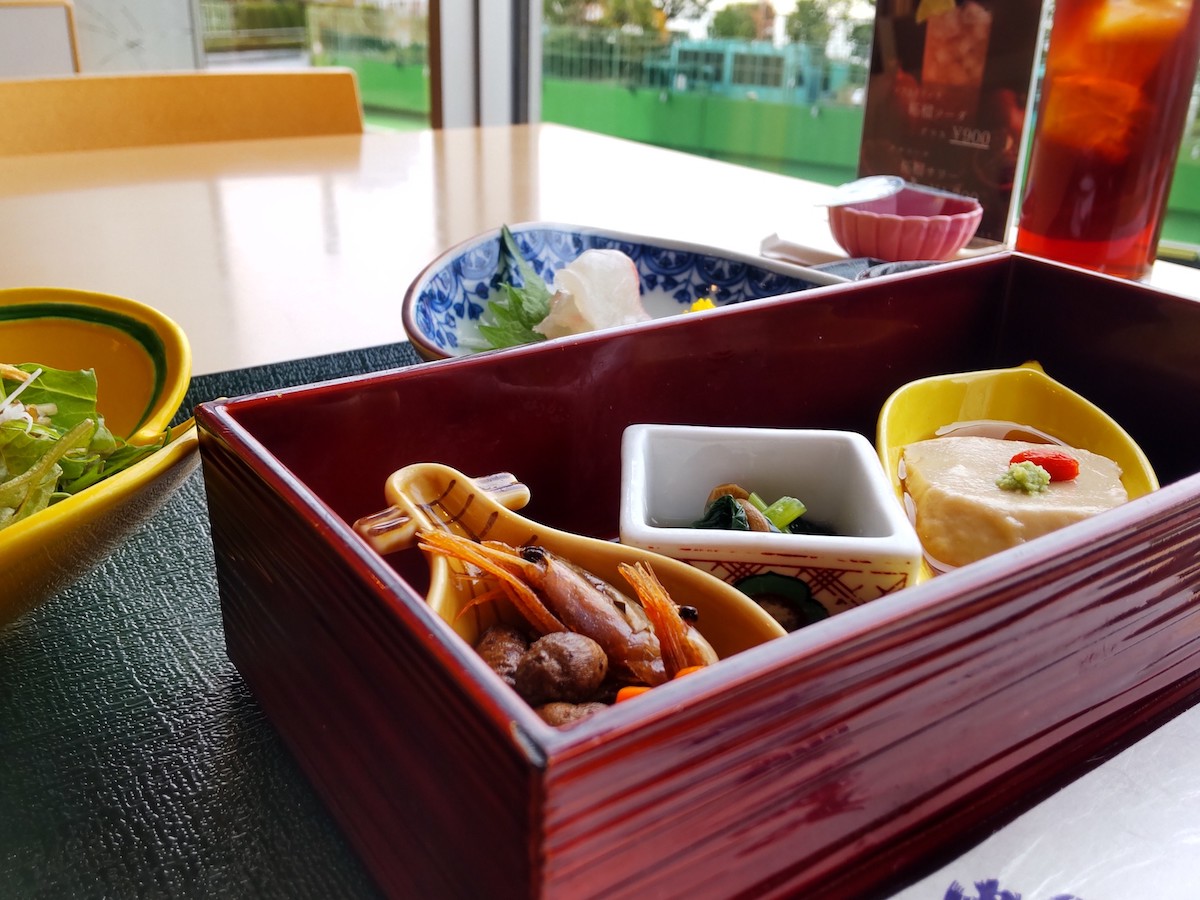
The appetizers were served in three charming small dishes. A special highlight was the simmered shrimp and mukago on the far left. In addition to the dashi base made from kombu (dashi kelp) and bonito flakes, the rich flavor of the shrimp soaked perfectly into the mukago, allowing me to fully savor the taste of fall.
Mukago are tiny tubers that grow at the base of Japanese yam vines and are a seasonal delicacy in fall. You can eat them with the skin on. The appetizers were also accompanied by sashimi (fresh slices of raw fish) and a salad.
Main Course
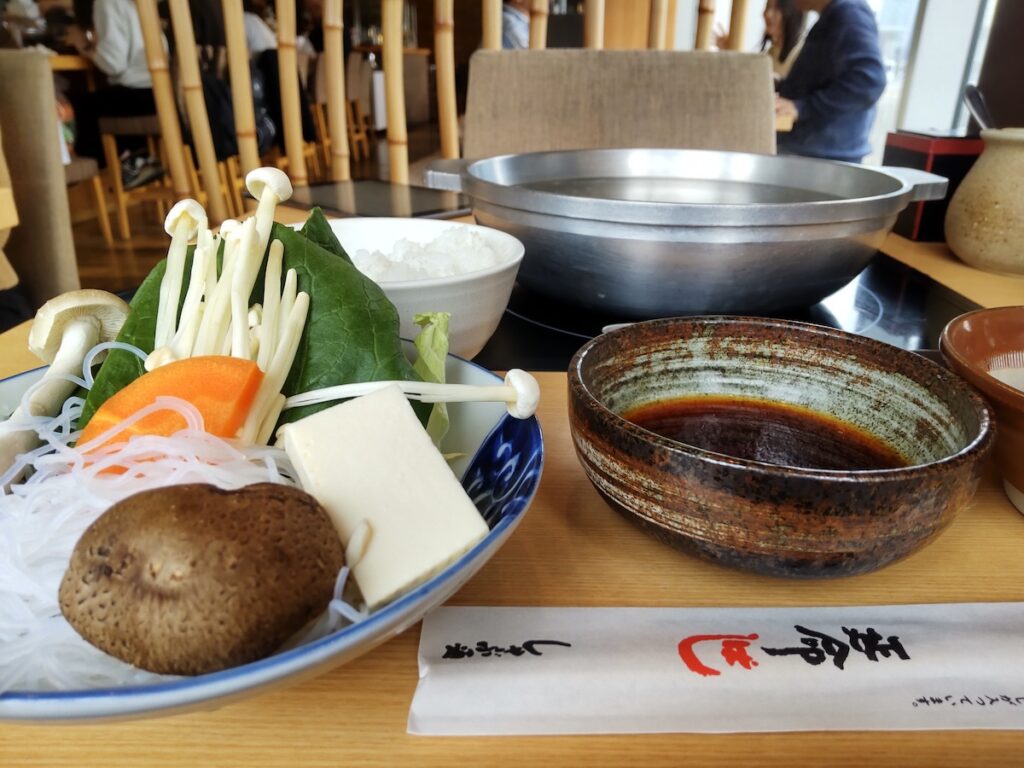
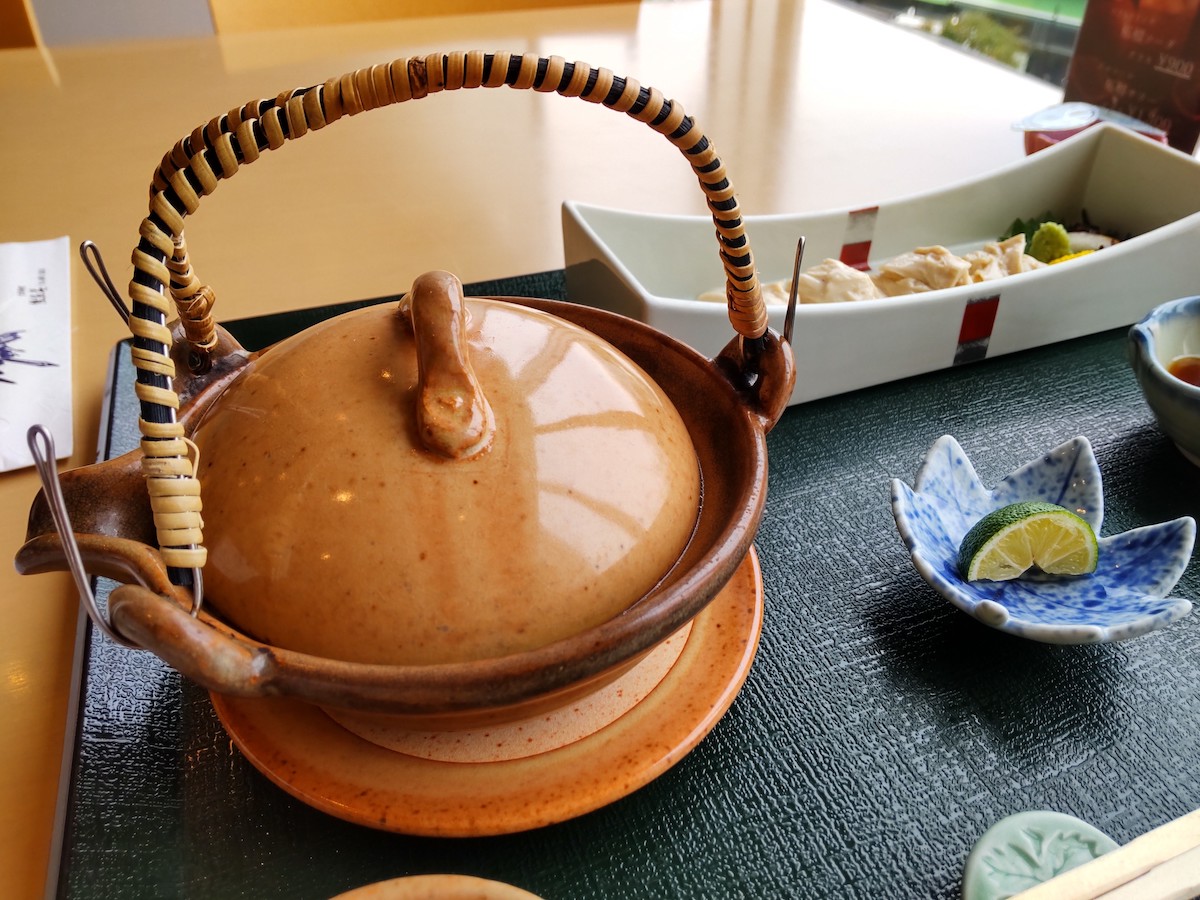
The course I ordered gave me the option to choose two dishes from a selection. I went with the mushroom dobin mushi (steamed in an earthen teapot) and yuba sashi (tofu skin sashimi).
Inside the dobin mushi, there were also slices of matsutake mushrooms, which made the aroma even richer. After sipping the piping hot soup, I couldn’t help but let out a deep, satisfied sigh. With every sip of the flavorful broth, I could feel my body warming up and the tension from my upcoming meeting gradually melting away.
And the yuba I had been looking forward to was the cold type, served like sashimi to be dipped in a soy-based sauce. It had a smooth, silky texture with just a hint of firmness, and a rich bean flavor spread through my mouth.
What is Dobin Mushi?
It is a traditional Japanese savory soup steamed and served in a small clay teapot called a “dobin.” The most famous ingredient used in this dish is the matsutake mushroom. As it is a highly prized and rare mushroom, dobin mushi is known as a luxurious soup. This dish is a seasonal favorite, especially in the fall, as it beautifully captures the aroma and essence of the ingredients.
First, you pour the broth into a small cup to enjoy the aroma and flavor. Then, you open the lid, use it as a small plate, and enjoy the ingredients inside.
What is Yuba?
Yuba, also known as tofu skin, is a delicate and nutritious specialty of Japanese cuisine. To make yuba, producers boil soy milk and skim off the thin film that forms on the surface.
Historically, Buddhist monks and ascetic mountain practitioners ate yuba as a high-quality protein source instead of meat. This is why it has become a local specialty in places like Nikko and Kyoto, which are home to many historic temples and shrines.
 Rice Course
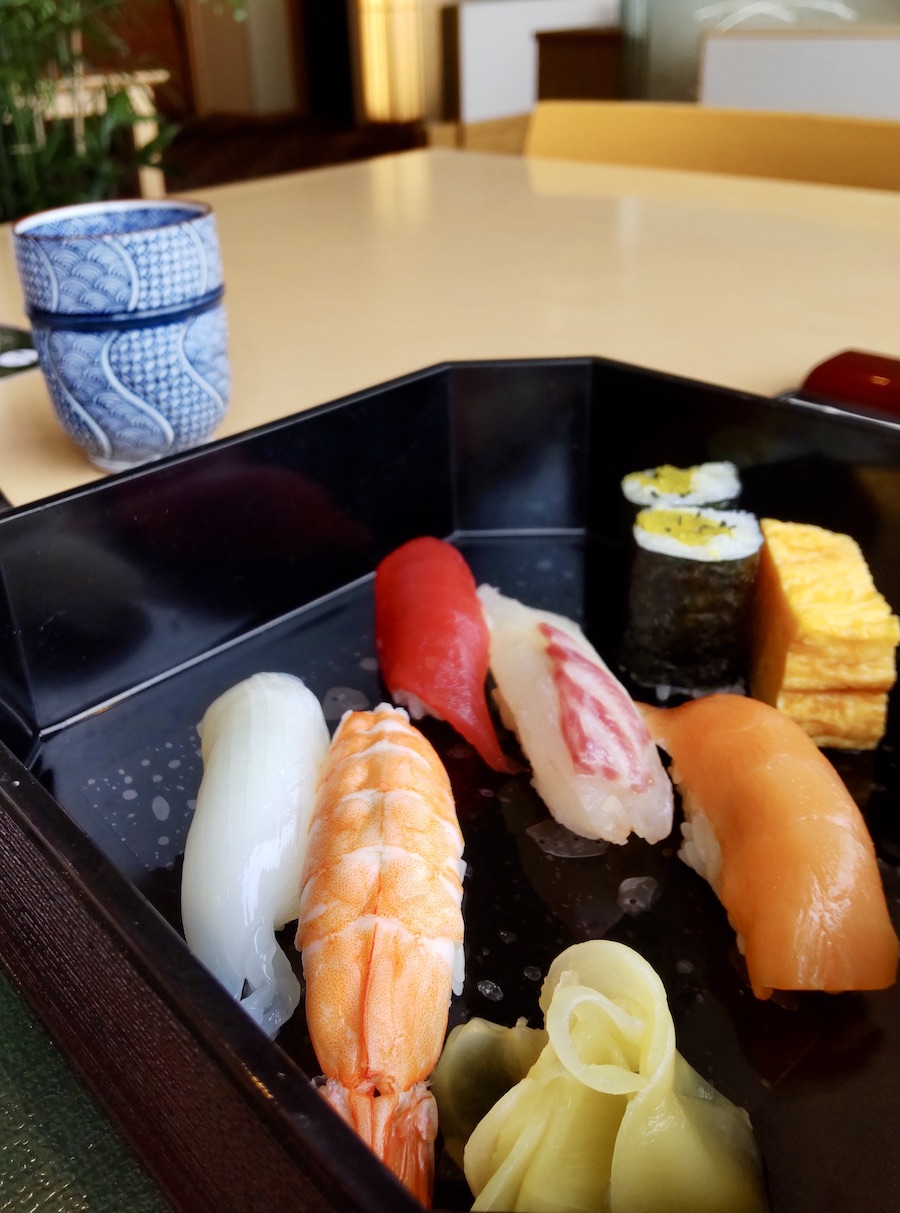
Following the delicate flavors of the yuba, a stunning square lacquered box was placed before me. Opening the lid felt like discovering a collection of jewels.
Inside was an assortment of sushi, each piece showcasing a different kind of fresh seafood. Tuna, sea bream, shrimp, Sushi-style sweet dashi omelet (tamagoyaki), and pickled ginger in vinegar. There’s something so incredibly indulgent about savoring a wide variety of fish, one perfect bite at a time. The vibrant colors against the dark lacquer made it look like a vivid work of art—a beautiful interlude before the final sweet course.
 Dessert
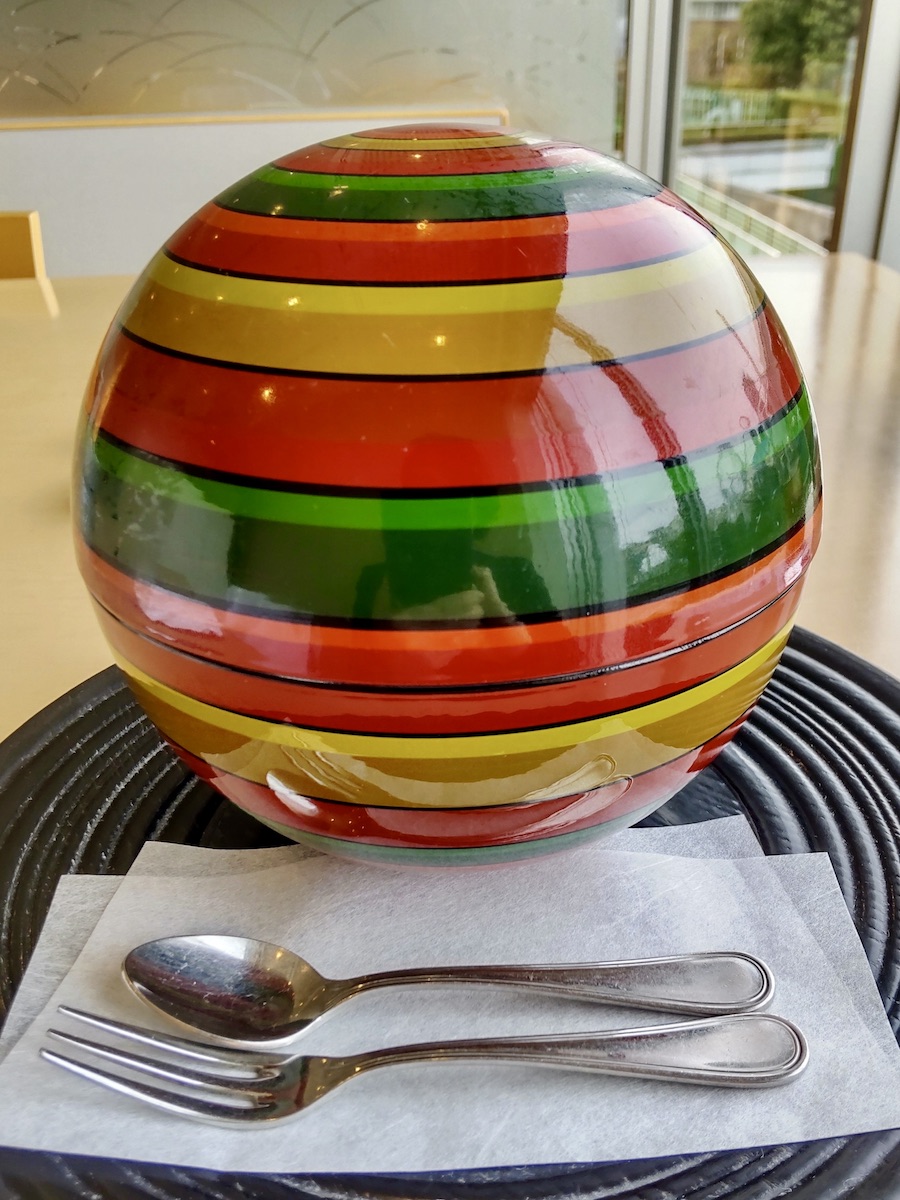
Finally, a glossy, spherical Japanese bowl arrived at the table. I had never seen a container like this before, and its unique design truly surprised me. This bowl was not in the menu photos, so the chef may decide on the dishes depending on the time. Now, let’s open the lid.
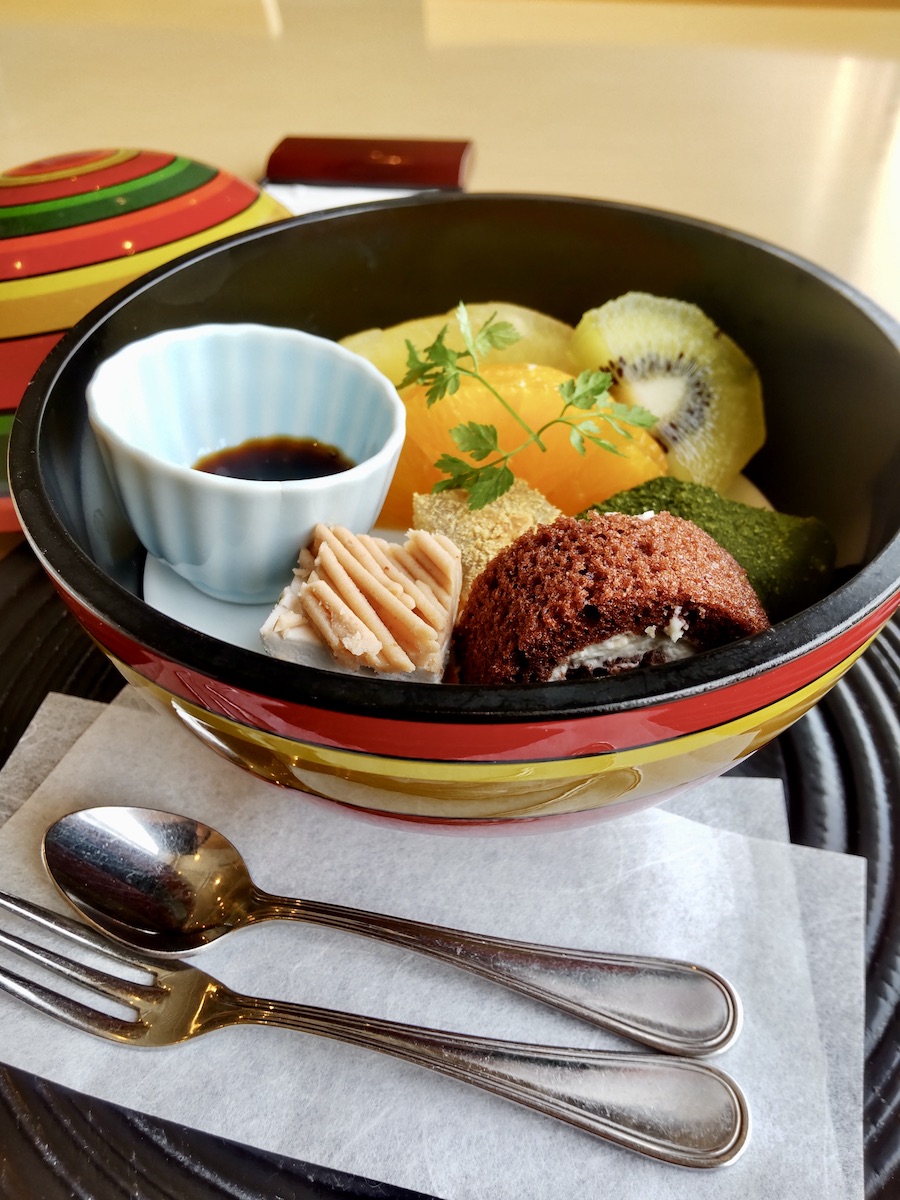 Inside was a vibrant palette of colors. Carefully sliced, seasonal fruits were nestled alongside an exquisite assortment of both traditional Japanese and Western sweets.
The chilled, expertly sliced fruit offered a refreshing palate cleanser, while the petite chestnut and chocolate cake added a rich, velvety touch that felt perfectly cozy for autumn.
However, the standout for me was the warabi-mochi (bracken starch dumplings) dusted with vibrant matcha powder. This one was meant to be dipped into a small pot of rich kuromitsu (brown sugar syrup) by the diner. This interactive element, combined with the earthy matcha and sweet syrup, gave the dessert a powerful presence—a truly magnificent finale to a traditional Japanese meal.
 Final Thoughts: Japanese Restaurant
Suidobashi is a bustling hub where two major train lines meet. However, the moment I stepped into Yugyoan Tankuma Kitamise, the city’s noise vanished, replaced by a refined atmosphere that made me naturally sit up a little straighter. The menu here is a beautiful reflection of the changing seasons, offering delicate dishes that capture the very best flavors of the time. Yet, the staff welcomed me with such warm, gentle smiles that I immediately felt at ease. It is the perfect place for anyone looking to spend a quiet, relaxing time savoring seasonal delicacies in a sophisticated setting.
Quick Tip: Where to Stay
Tokyo Dome Hotel is one of the most convenient places to stay when visiting Tokyo Dome City. Guest rooms are located on the 9th to 41st floors, and many offer sweeping views of Tokyo both day and night. With its location right inside Tokyo Dome City, you’ll have easy access to the area’s attractions, restaurants, and shops.
If you stay at Tokyo Dome Hotel with a breakfast plan, you can choose the refined Japanese breakfast at Yugyoan Tankuma Kitamise instead of the standard buffet. It is a wonderful way to start your day with traditional Kyoto flavors in a quiet, sophisticated setting.
Planning an overnight stay? Tokyo Dome Hotel is a convenient base for exploring Tokyo Dome City.
Lunch Spot 2 — Mango Tree Cafe
A Casual Thai Café for a Spicy Boost
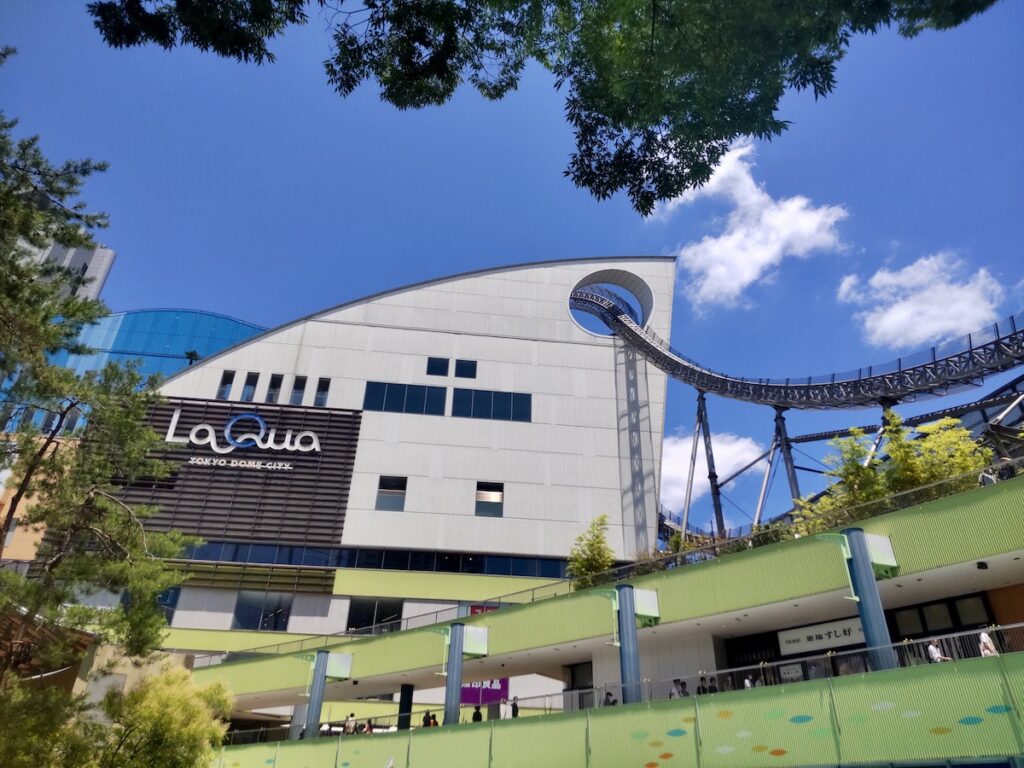
Next, I’d like to introduce another restaurant. Located in LaQua at Tokyo Dome City, this Thai restaurant is a sister shop of the famous Thailand-born restaurant “Mango Tree.”
The menu and prices have changed since my visit. This article introduces the dishes that were served during my visit.
Spicing Up Your Summer
I visited in the middle of summer. After spending hours in air-conditioned spaces, I was craving something with a bit of spice. A flavorful Thai meal was the perfect pick, and working up a sweat somehow made me feel refreshed despite the heat.
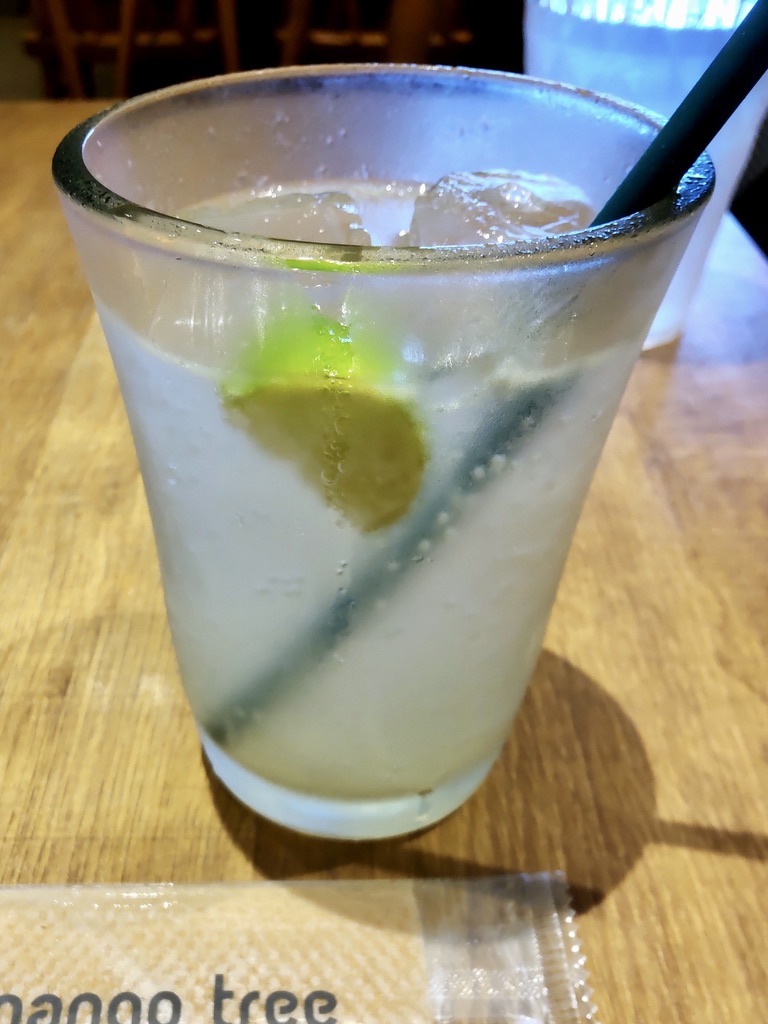 Refreshing Drink
Because it was hot on this day, first, I ordered Manaow Press Soda. Manaow soda is soda with squeezed lime. I sometimes drink lemon soda, but this was something that I do not usually taste. If you visit in summer, I definitely recommend it.
One-Plate Meals
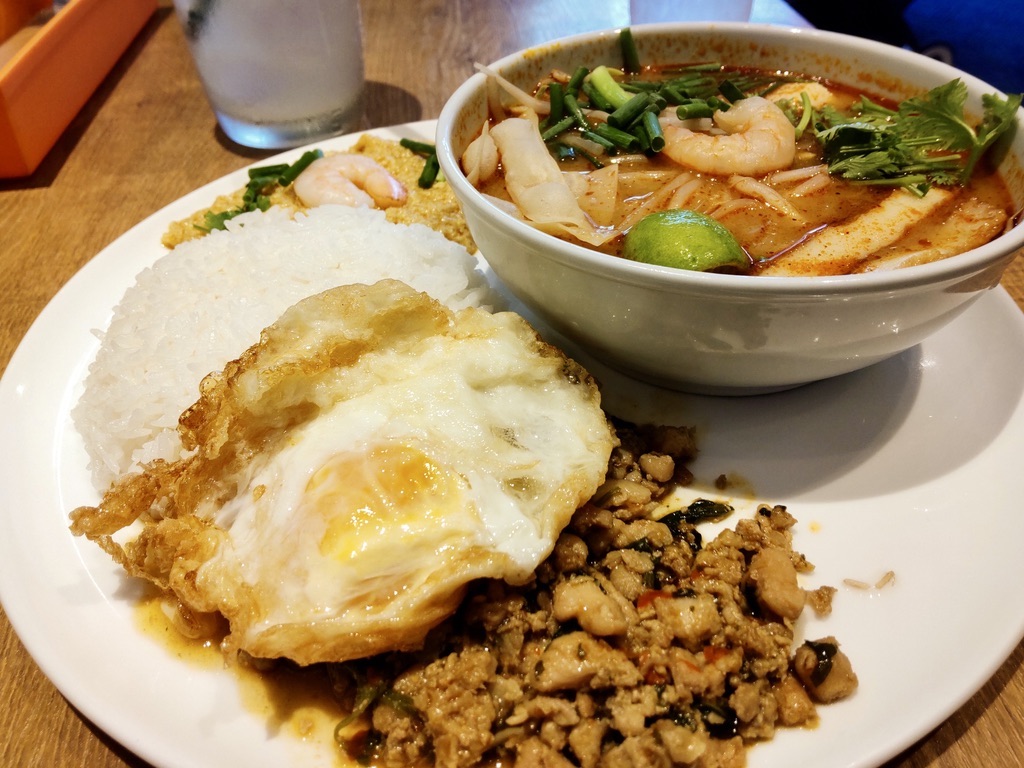
The dish I ordered at this time was a plate meal, where I chose three items I like. The items I chose were gapao rice, egg curry, and tom yum noodles. The spiciness was adjusted to be easy for Japanese people to eat, but I enjoyed bold flavors you don’t typically find in Japanese cuisine.
Quick Tip: Menu Update
Since my first visit, the one-plate lunch menu has changed, and this exact combination is no longer available.
Menus can vary seasonally, so it is worth checking the current options when you visit. If a one-plate combination is available, I recommend it for anyone who wants to sample several signature dishes in one meal.
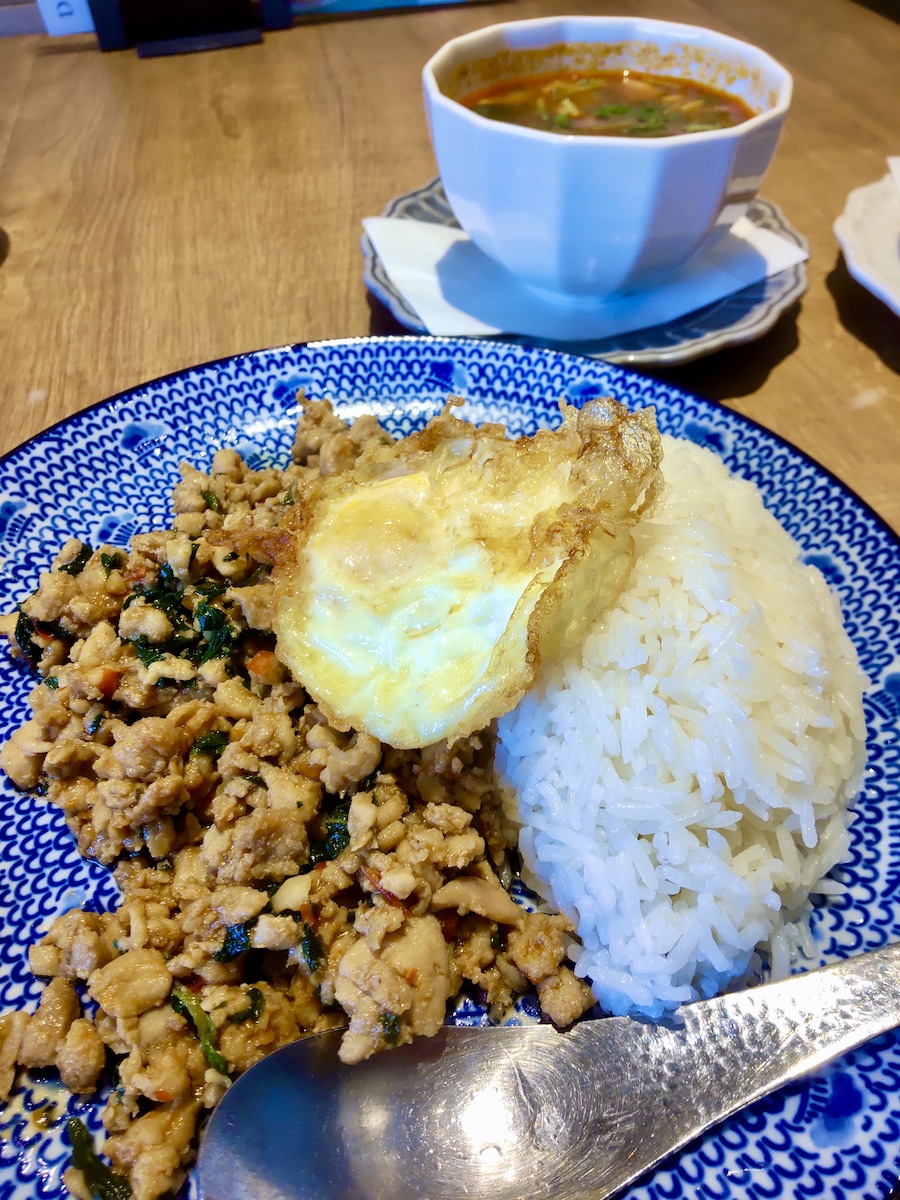 On a later visit, I ordered gapao rice along with a mini tom yum goong instead. It was delicious as well, but the one-plate lunch remains my favorite choice for trying a wider variety of flavors.
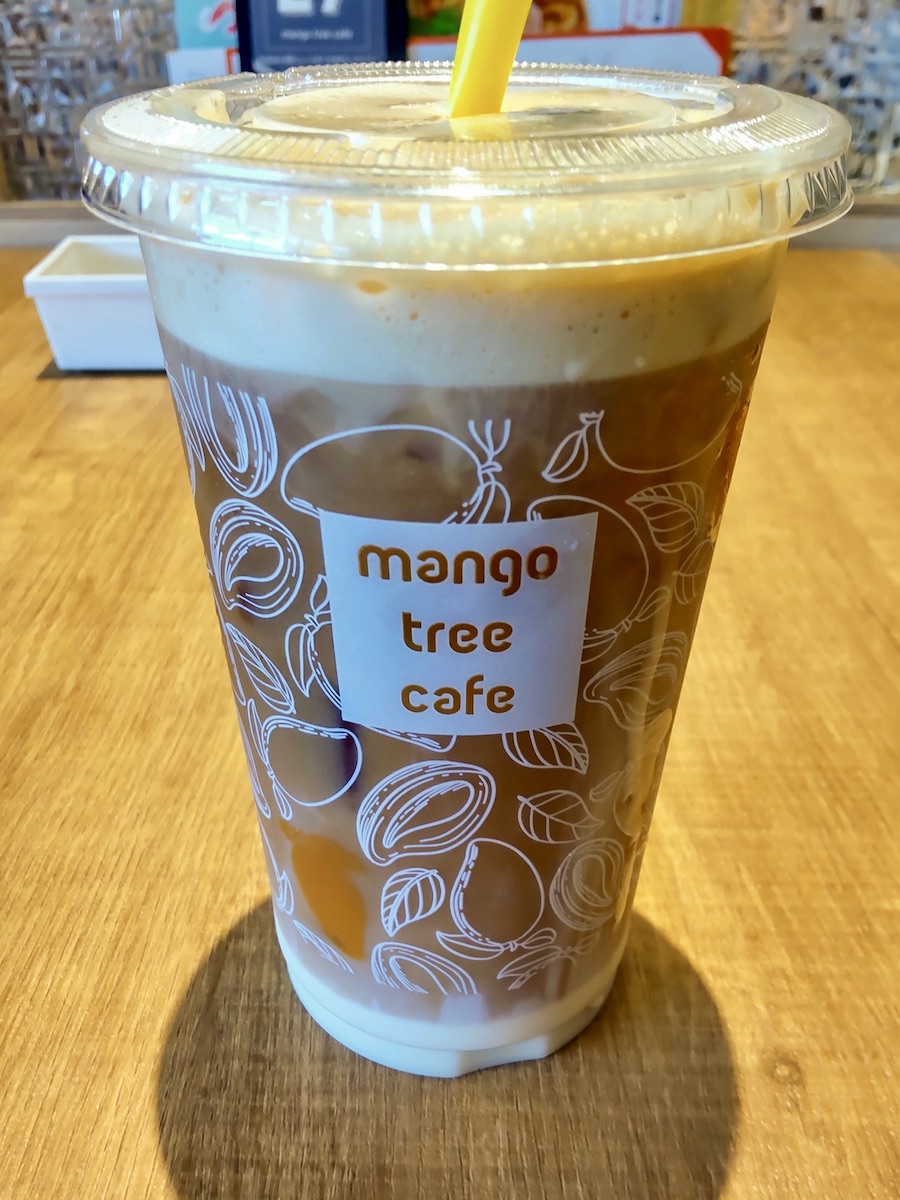 Thai Milk Tea
Since I cut down on the dishes, I added a Bangkok iced tea that caught my eye. It’s a signature Mango Tree blend with sweet, condensed milk resting at the bottom. It was much creamier than simply adding syrup, and it paired perfectly with the spicy kick of the Tom Yum Goong.
Final Thoughts: Thai Restaurant
Tokyo Dome City is packed with thrills, including roller coasters. After an active day of fun, these spicy dishes are the perfect way to recharge. While these dishes are especially satisfying in summer, their warming spices can also be wonderfully comforting during the colder months.
What is The Tokyo Dome?
Tokyo Dome stands as a landmark and is the iconic home of Japanese baseball. While it is the home stadium of the Yomiuri Giants, its fame extends far beyond that. In this very stadium, global superstar Shohei Ohtani showcased his incredible talent before moving to MLB.
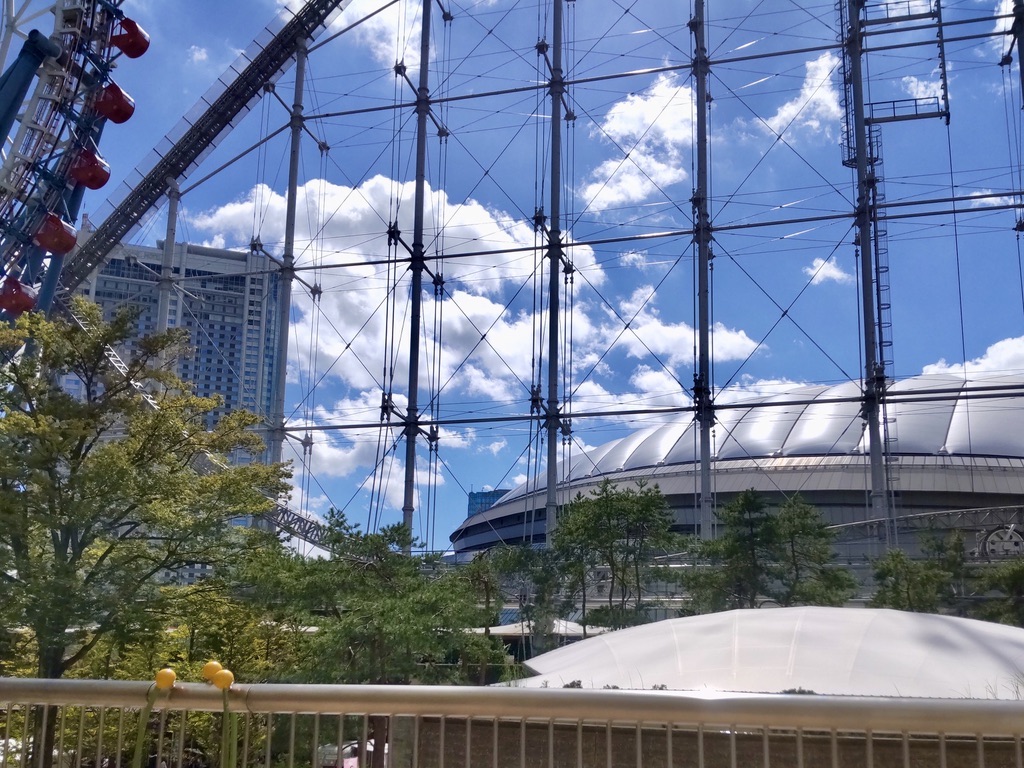
Tokyo Dome is an air-supported stadium, affectionately known as “The Big Egg” for its unique shape. The massive white roof is held up by higher air pressure inside the building, much like a giant balloon. In addition to baseball games, live concerts by major artists are also held here, including global superstars like Blackpink and Lady Gaga.
Tokyo Dome City
Note: Tokyo Dome City Attractions is temporarily closed until further notice.
To wrap things up, let me share a bit more about the atmosphere of Tokyo Dome City. Tokyo Dome City is a massive entertainment hub right in the heart of Tokyo, featuring a wide range of rides for everyone, from toddlers to adults. The best part is that there’s no entrance fee. Since you only pay for the individual rides you choose, it’s perfect for a quick bit of fun.
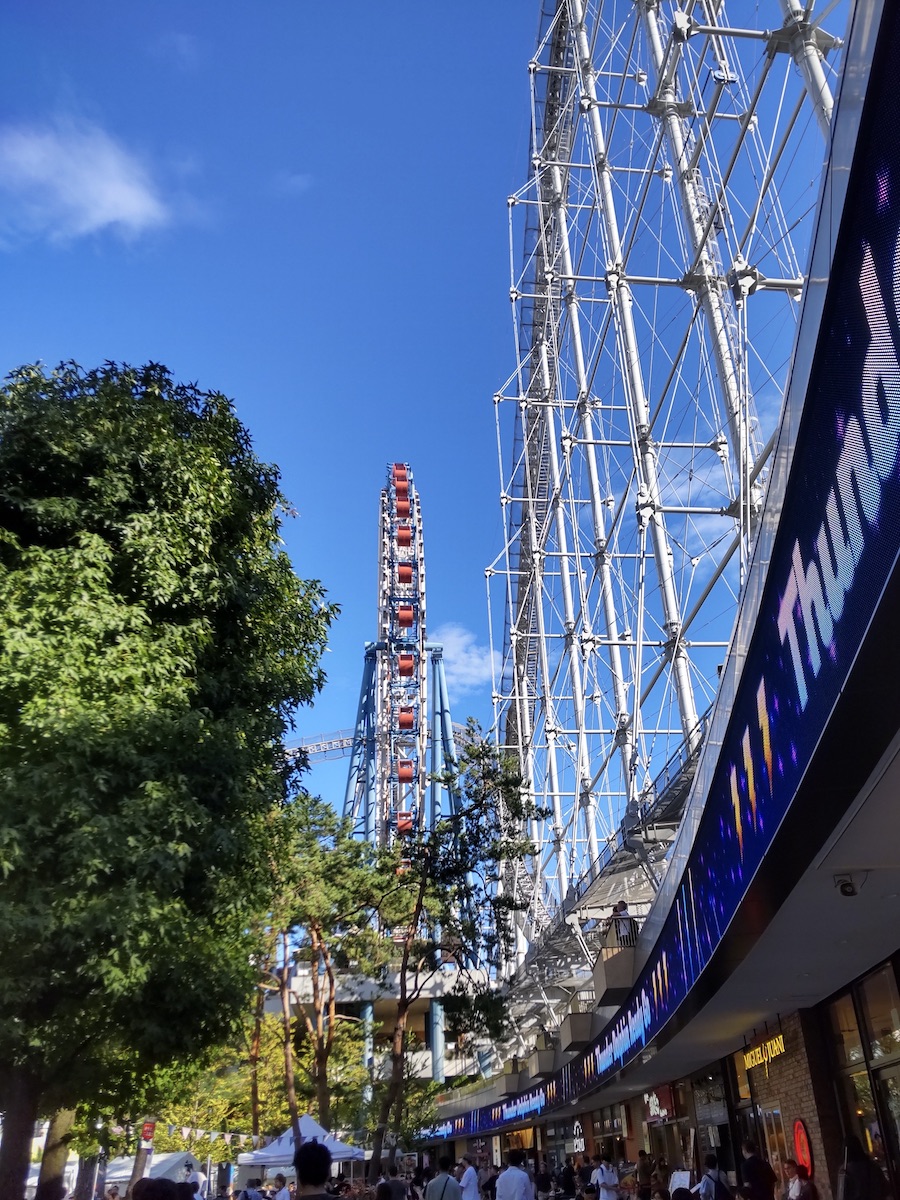 I had wanted to ride it for a long time, so I finally took the plunge and went on it by myself. Thunder Dolphin is a roller coaster that feels like it leaps over water before diving through the center of a Ferris wheel and even a building. Racing through the open air at such a height was exhilarating, especially since it had been a while since my last ride. You can buy individual ride tickets right near the boarding area, so it’s easy to hop on if you suddenly feel brave enough.
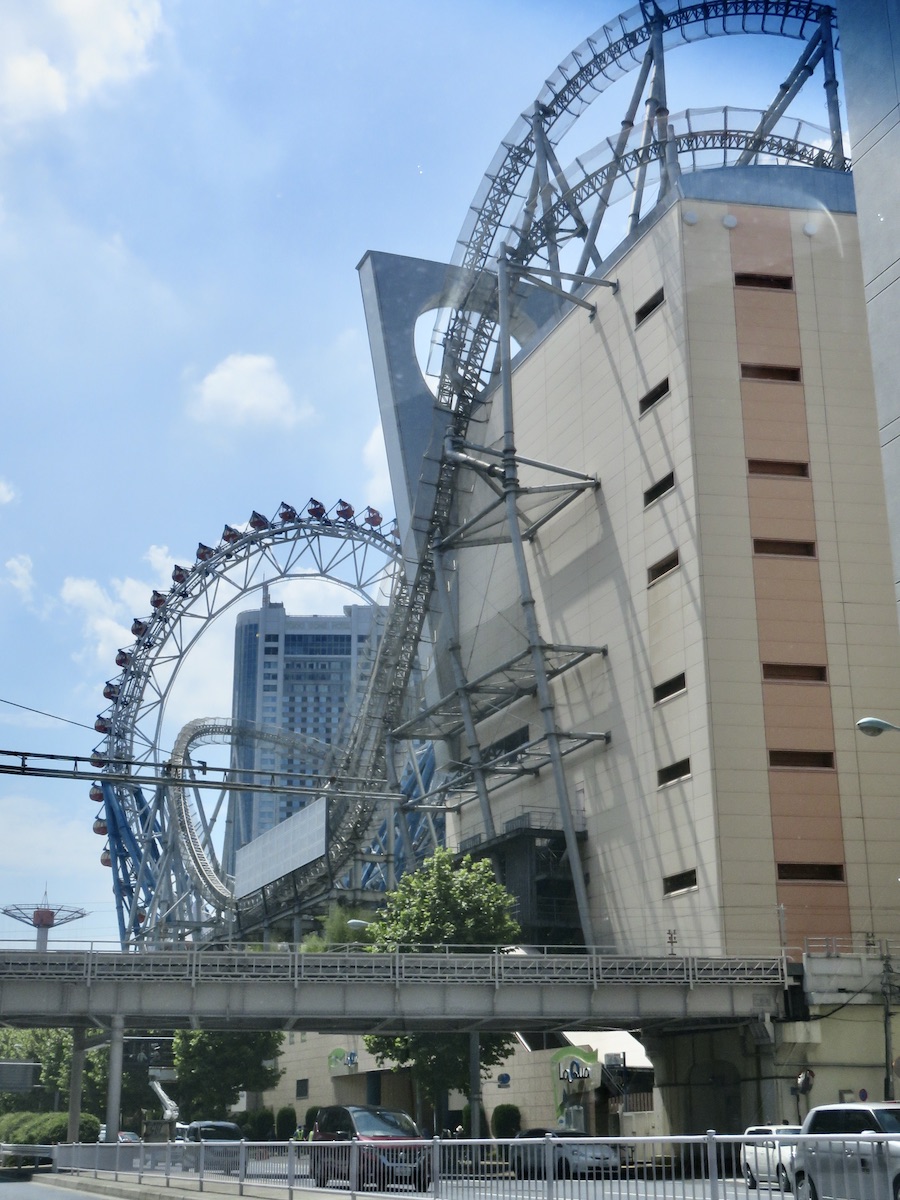 I took this photo from the street right next to the park. It’s always such a thrill to see these massive attractions suddenly pop up in the middle of the city. You can always hear the thrill-seekers screaming as the coaster zooms by.
Enjoying the Park on Your Own Terms
Since Tokyo Dome City has no entrance fee, it is perfect for a quick visit between plans. You can buy individual tickets for rides like the Thunder Dolphin coaster right at the boarding area. It is a great way to add a splash of excitement to your day without committing to a full day at a theme park.
Location
Suidobashi offers easy access to Shinjuku, Akihabara, and Jinbocho. The area features a variety of attractions and is popular with both locals and visitors. Inside LaQua, you’ll find popular stores such as UNIQLO, MUJI, 3COINS, Zoff (eyewear), LOFT (stationery), and Matsumoto Kiyoshi (a drugstore).
Quick Tips: 300-Yen Shop
3COINS is a popular 300-yen shop known for its cute, simple, and cohesive design. However, keep in mind that many items now cost more than 300 yen.
Indie Game The Exit 8
This photo shows the subway walkway near Tokyo Dome.
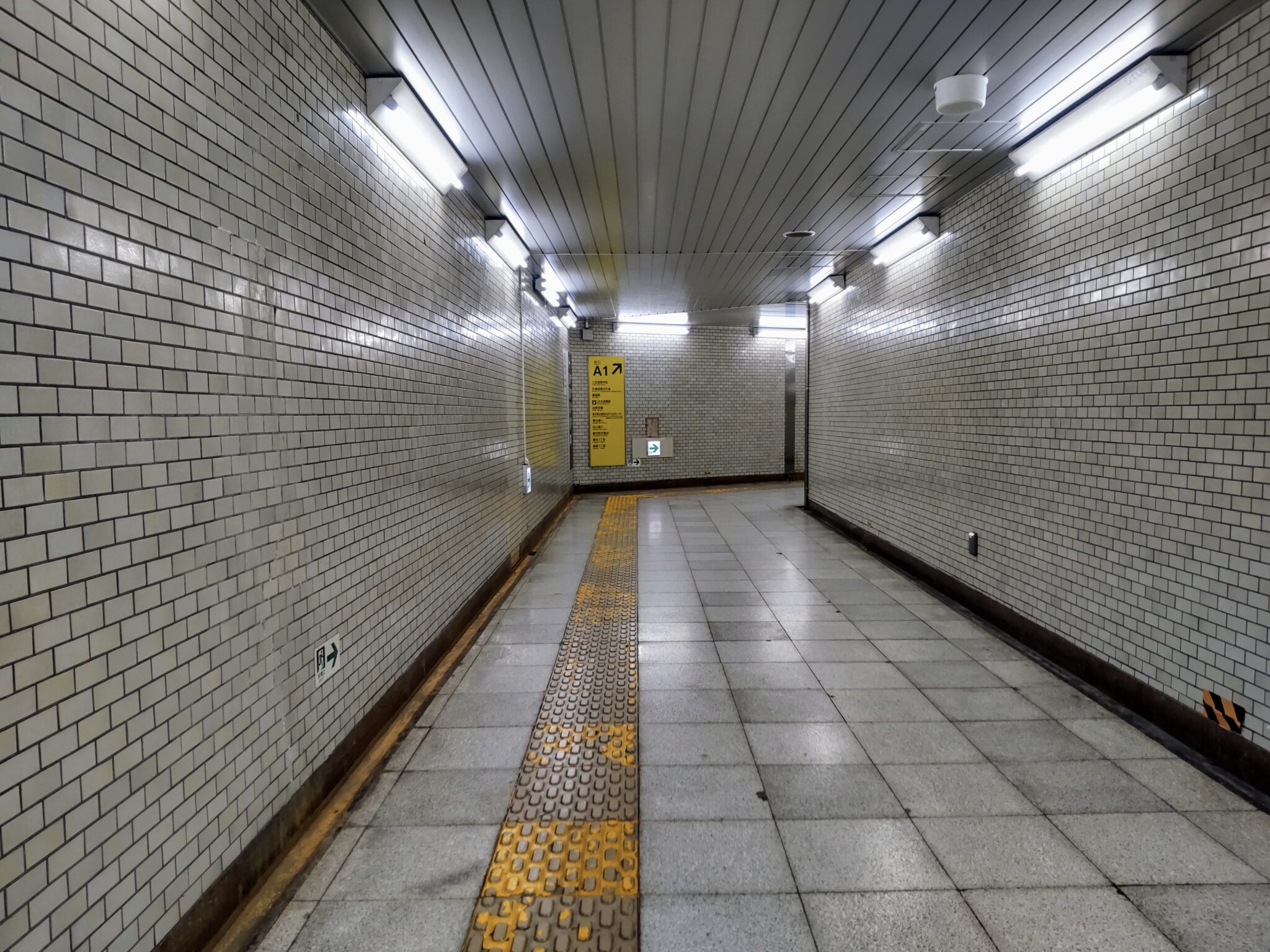
Does it look familiar? It reminds me of the indie game The Exit 8, which is inspired by the atmosphere of Japanese underground passageways. The game became popular both in Japan and overseas, and was later adapted into a film. While this spot isn’t actually part of the game, it certainly gave me a similar feeling. Having played The Exit 8 myself, I couldn’t help but think of it while walking through this tunnel.
Conclusion
Tokyo Dome area offers a great mix of traditional Japanese dining and international flavors, making it a convenient place to enjoy lunch before or after sightseeing or events. Whether you prefer refined Kyoto-style cuisine or bold Thai dishes, you can find something that suits your mood in one compact area.
Recommended For:
• Visitors looking for a relaxing yet memorable lunch before sightseeing
• Fans of traditional Japanese cuisine, especially seasonal and Kyoto-style dishes
• Those craving spicy, energizing meals in a casual, fun setting
• solo travelers or groups, with easy access to attractions and shopping
• Travelers seeking a mix of food, culture, and amusement in one convenient area
Explore more ways to enjoy Tokyo below:
2 Shinjuku Highlights: Central Park and Free Observatory Views
Check out a related post about Koishikawa Korakuen below:
Fall Foliage in Tokyo: My Morning Walk at Koishikawa Korakuen
Information
Information, prices and exchange rates are current as of my visit but may change. Please check official sites.
Yugyoan Tankuma Kitamise
Menus and prices may change depending on the season. Please check the latest information before your visit.
- Traditional Kyoto cuisine
- Weekday lunch set (includes one drink) – ¥6,500 (approx. $42.4 / €35.8)
- Access – About 1150 ft (350 m) from Suidobashi Station
Mango Tree Cafe
- Thai restaurant
- One-plate lunch – ¥1,450 (approx. $9.5 / €8.0)
- Access – About 0.6 mi (1 km) from Suidobashi Station
- Google Maps
LaQua
Tokyo Dome City
Tokyo Dome City Attractions
-
- Expect heavy crowds on weekends
- Official English website
Tickets (English support available)
Single-ride tickets
- e.g. Thunder Dolphin around ¥1,800 (approx. $11.7 / €9.9)
- Ticket machines located near each ride
- Tickets can also be purchased at the Attractions Ticket counter
Discount packages
- Available at the Attractions Ticket counter and ticket machines
- Multiple ticket options depending on your plan
Note: The Attractions Ticket counter is not located next to the rides, so it may take a few minutes to walk there. If you prefer convenience, using the nearby ticket machines is recommended.
Tokyo Dome Hotel
- Access – Within Tokyo Dome City (no entrance fee)
- About 1150 ft (350 m) from Suidobashi Station
- Google Maps
Check room rates and availability:
This article contains affiliate links. We may earn a commission at no extra cost to you.