Last Updated on May 15, 2026
Recently, I’ve been enjoying a mix of Japanese food experiences, from home-cooked meals to simple favorites here in Japan. In this post, I share what I’ve been eating and making, along with a glimpse into the everyday dishes many people enjoy at home. From comforting hot pot meals to seasonal sweets and traditional eel dishes, this post gives practical tips and ideas for enjoying Japanese food at home or while traveling.
What you will find in this guide:
- Japanese hot pot (nabe) – Simple, warming recipes with broth and dipping tips
- Bento ideas – Quick, balanced lunches using frozen and fresh ingredients
- Strawberry cream cake – Step-by-step festive recipe for home bakers
- Unadon (grilled eel rice bowls) – Tips for enjoying and choosing quality unagi
- Seasonal and visual tips – How to make meals tasty, balanced, and appealing
Japanese Hot Pot
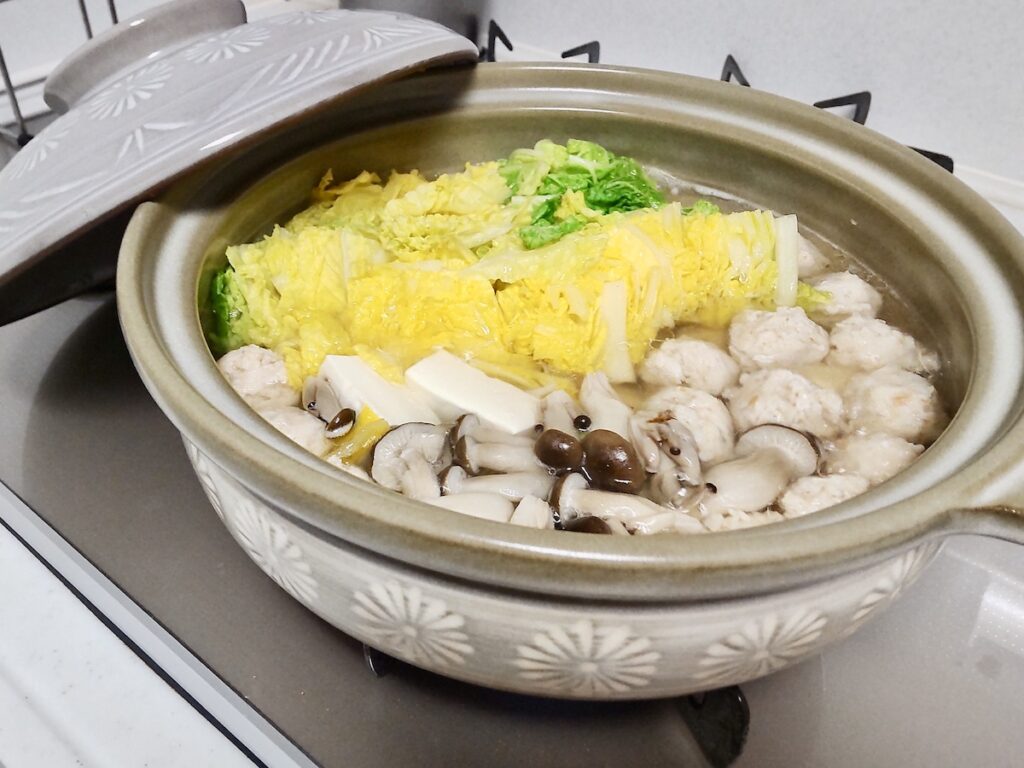
Now, When the weather gets cold in Japan, we love to gather around a large Donabe (clay pot) to enjoy a hot pot meal. Last week, the temperature suddenly dropped, and I could feel winter approaching. I chose this because it’s a perfect way to keep my family healthy and warm, helping them avoid catching a cold.
There are many different broth flavors for hot pot, and some are pre-seasoned. However, today I’m making a simple version: simmering the ingredients in plain water with a piece of Kombu (dried kelp) and dipping them in Ponzu sauce.
Ponzu is a classic Japanese dipping sauce made by mixing soy sauce with citrus juice for a refreshing tang and aroma.It’s an essential condiment for hot pot meals.
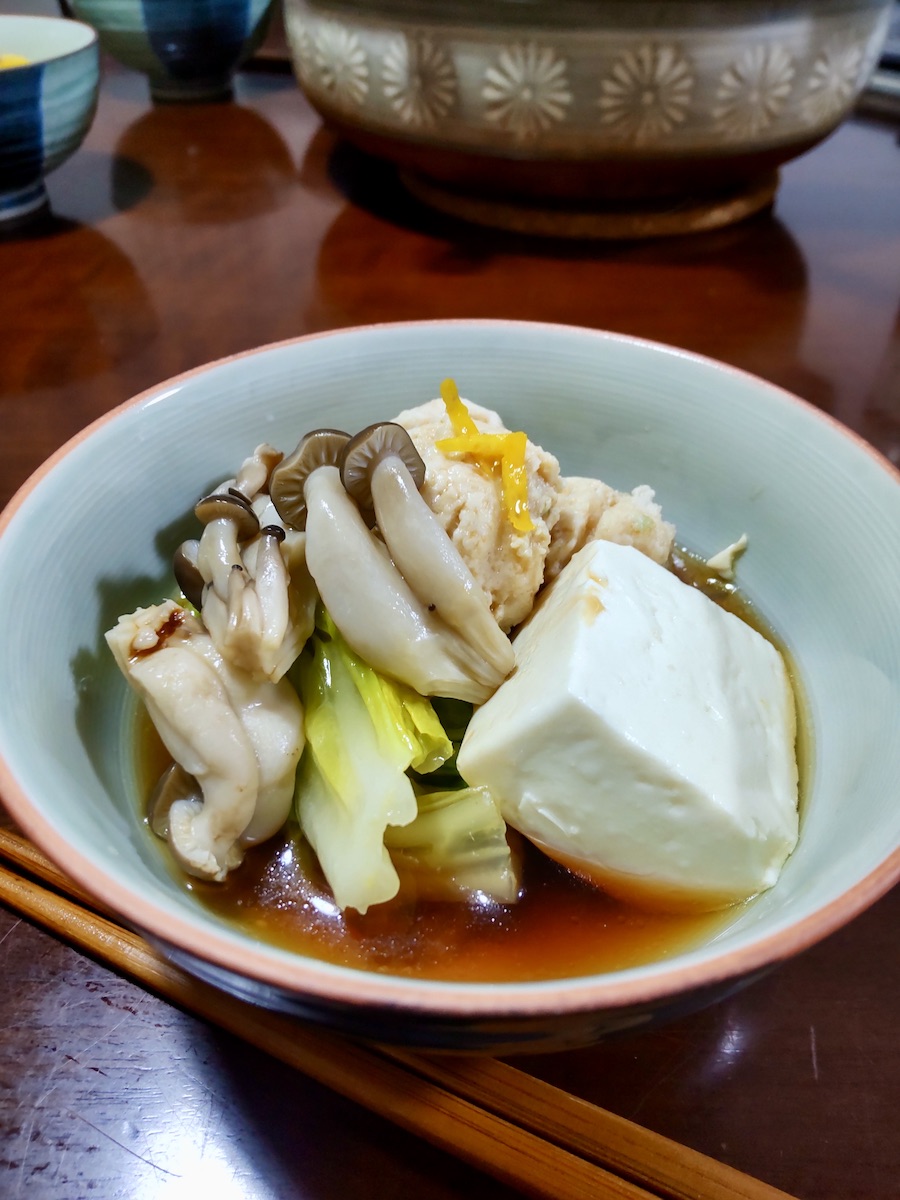
For this meal, I chose napa cabbage, shimeji mushrooms, tofu, and chicken meatballs as the main ingredients. I bought pre-seasoned chicken meatballs that were already shaped and ready to go. Of course, simple pieces of chicken thigh are also a great choice if you prefer. Since this hot pot is so simple, it’s perfect for people who truly value the natural flavors of each ingredient.
I happened to have some Yuzu (Japanese citrus) on hand, so I added some thinly sliced zest on top before eating. The aroma was incredibly elegant and made the meal feel like a special, festive occasion.
I always add a small portion of cooked rice to the leftover soup and simmer it until soft to make “Zosui” (Japanese rice porridge). Sometimes I season it with a bit of soy sauce, but other times I leave the flavor as is and enjoy it with toppings like pickled plums (Umeboshi) or simmered seaweed (Konbu).
Easy Hot Pot Recipe
Ingredients (for 3 servings):
- 2 sheets of pre-cut dashi kombu (about 10 cm long)
- About 4 cups (1 L / 1000 ml) of water
- ponzu (use as is, do not dilute with water)
- vegetables, chicken, tofu, etc.
Traditionally, the kombu is soaked in water for 1–2 hours before heating, but I often keep things simple and start heating it right away. Remove the kombu just before the water comes to a full boil, add the ingredients, and continue heating. Enjoy by dipping everything in ponzu.
The Secret to Clear Broth
For the best flavor, avoid boiling the kombu for too long. If it boils, the broth can become slimy and bitter. Simply place it in cold water and remove it just as the bubbles begin to rise to the surface. This small step ensures a clean, elegant base for your hot pot.
One Quick Tip: Kombu
Don’t boil the kombu for too long, or the broth will get too slimy. I put it in cold water and remove it just before it starts to boil.
Bento Lunch
Next up is the “Bento” (lunch box). In schools that don’t have a school lunch system, students need to bring their own meals. While some schools have cafeterias or convenience store vending machines, many people prefer making and bringing their favorite foods.
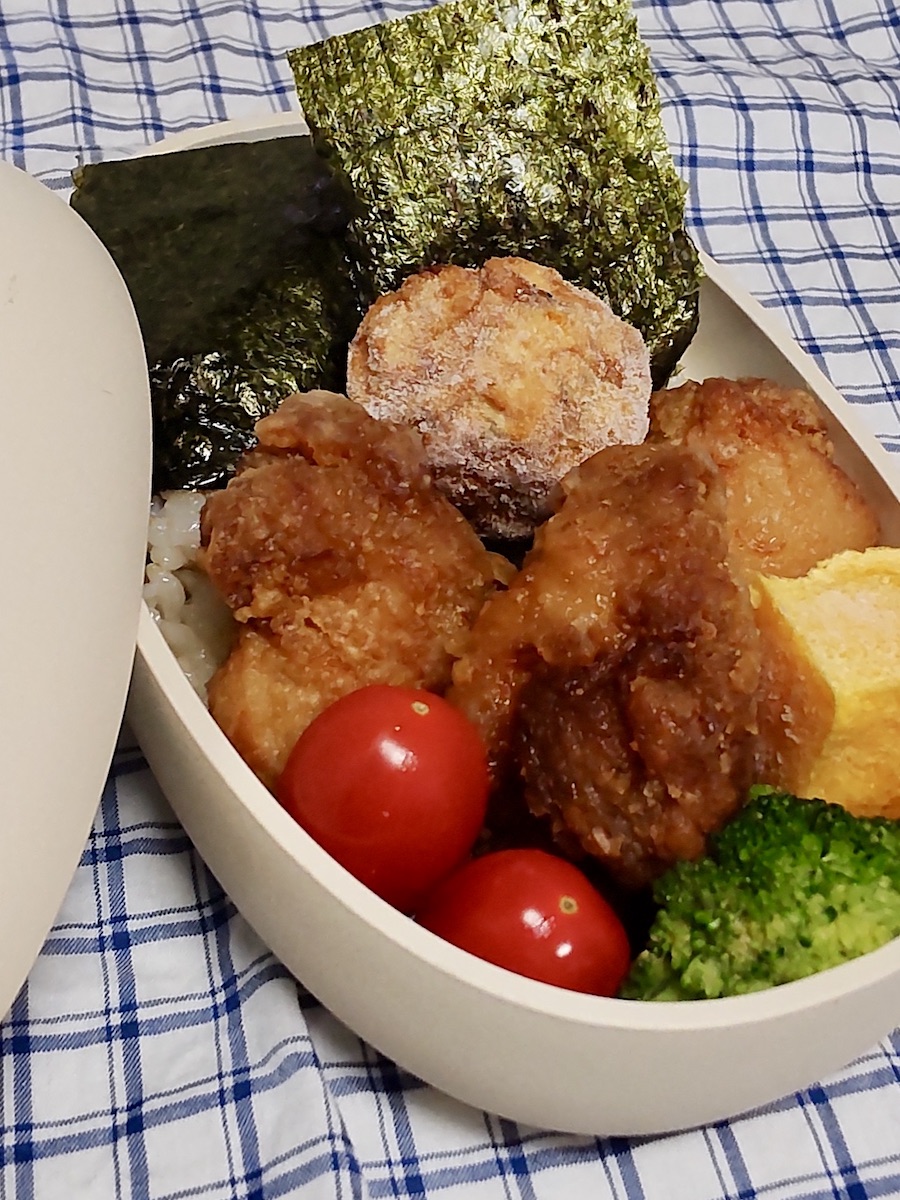 Here’s what’s inside today’s box:
– Karaage (Fried chicken)
– Cherry tomatoes and broccoli for color
– Rolled omelet & chicken meatballs (The “frozen-to-bento” kind)
– Rice topped with okaka (bonito flakes) and soy-sauce-flavored nori (seaweed).
There are other variations as well, which I’ll introduce another time.
Time-Saving
To keep it sustainable, I rely on high-quality Japanese frozen foods. They are not just convenient but also delicious, which helps me continue making bento every morning without burning out. Frozen-to-bento” items are a lifesaver—you can put them straight into the box, and they thaw by lunchtime.
Adding something green like broccoli and something red like cherry tomatoes is a quick way to make the bento look appetizing and balanced. Also, since just a small amount of vegetables isn’t enough for a balanced meal, I add extra barley to my rice. I love it because it’s an easy way to get plenty of water-soluble dietary fiber.
Balanced and Stress-Free Bento
To keep making bento sustainable, don’t hesitate to use high-quality frozen foods. They are safe, delicious, and act as a natural coolant in the morning. To make the box look appetizing, simply add something green (like broccoli) and something red (like cherry tomatoes). This creates a visual balance that makes any meal feel more satisfying.
Strawberry Cream Cake
In Japan, the most popular choice for Christmas is a cake with white whipped cream and bright red strawberries. With its cute colors, it looks just like Santa’s outfit. We call this a “Shortcake.” It might be different from the “strawberry shortcake” you’re imagining.

Since I don’t usually bake, I was worried about how it would go, but it baked perfectly. My mother used to bake cakes for birthdays and Christmas, and the whole house would fill with a sweet aroma, making me feel so happy. I want my children to cherish those same kinds of memories as they grow up.
 Since I followed a reliable recipe, I already knew how it would taste—and that’s the best part of home cooking. Every time Christmas rolls around, the memory of that flavor comes back to me, and I find myself craving it.
 It was a simple combination of my home-baked sweet pound cake, fresh whipped cream, and large, juicy strawberries. Normally, these cakes are fully covered in whipped cream, but leaving the sides bare keeps the crispy edges and adds extra texture—something I actually prefer! Also, this method uses less cream.
My Unique Cake Recipe
Ingredients:
- strawberries (1 pack)
- heavy cream (200 ml)
- sugar:
- 70 g (for cake batter)
- 12 g (for whipped cream)
- 25 g (for syrup)
- vegetable oil or butter (70 g)
- eggs (2)
- milk (70 g)
- pancake mix with leavening (200 g)
- water for syrup(50 g )
- Mix the eggs, milk, sugar (for cake batter), and oil, then add the pancake mix and gently mix until just combined. Pour the batter evenly into two 20 cm pans and bake each pan in a preheated 200°C oven for about 20 minutes.
- Whip the heavy cream with the sugar (for whipped cream) while keeping it chilled.
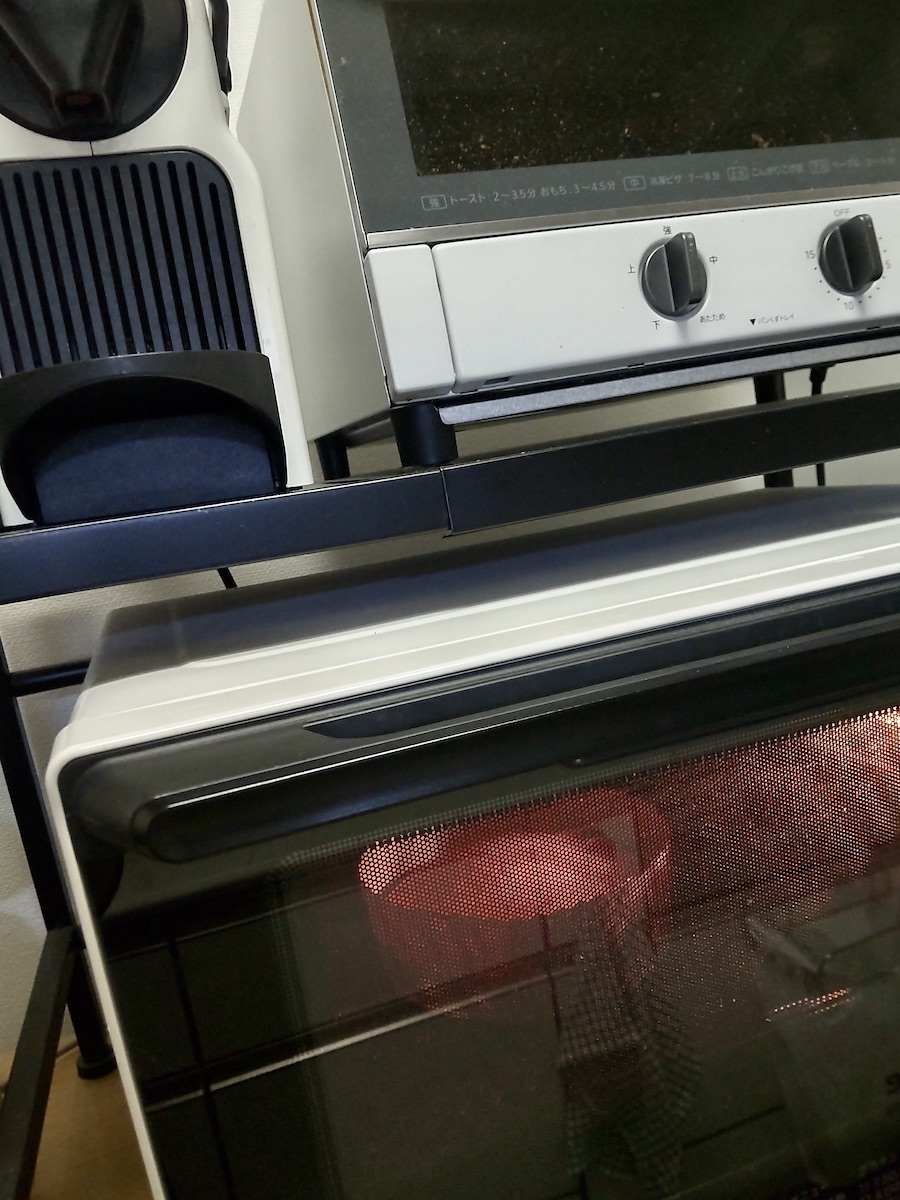
- Heat the sugar (for syrup) and water in the microwave for 1 minute to make a simple syrup.
- Once the cakes have cooled slightly, trim the domed top off one of the cakes to make it flat.
- Generously brush syrup onto the cut surface of the trimmed cake, then sandwich whipped cream and sliced strawberries between it and the other cake layer.
- Decorate the top with whipped cream and strawberries.
All measurements are based on Japanese standards and are meant to be approximate.
Unagi
Finally, let’s talk about Unadon (eel rice bowl). In Japan, many people view eel dishes as a high-end meal, as a traditional Japanese dish. This time, I enjoyed it at a specialty eel restaurant. While supermarkets sell tasty eel, nothing beats the flavor of a professional chef grilling it over charcoal.
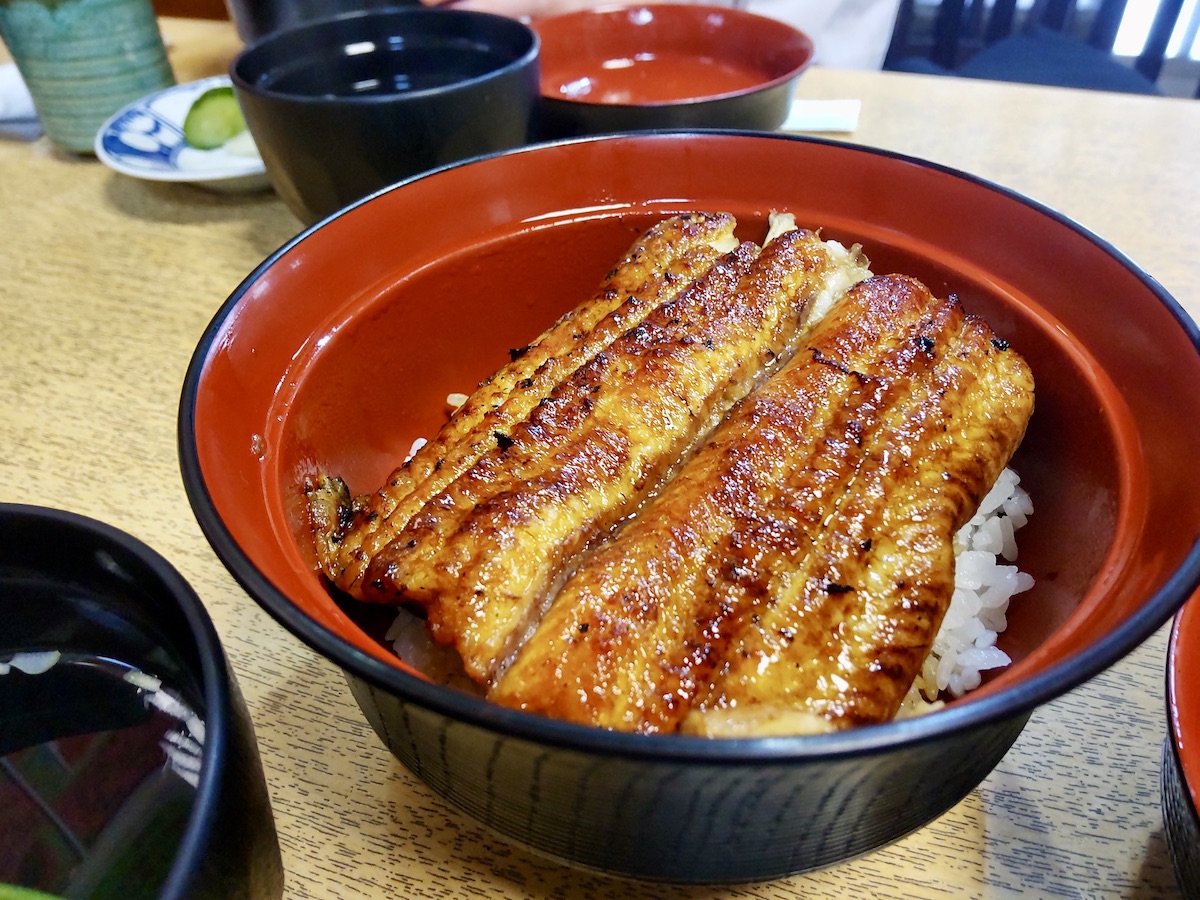
Cooking methods for eel vary depending on the region, the eel was incredibly fluffy and served piping hot. The combination of the grilled aroma and the sweet-savory sauce is simply irresistible. I cannot share the name of the restaurant as it is a small, local establishment. However, you can find many eel restaurants across Japan, so please try one if you visit. I’ll list some tips on how to choose a great eel (unagi) restaurant in the information section below.
What is Unadon?
The name changes depending on the container. We call it “Unaju” when it comes in a rectangular lacquered box (Oju), and “Unadon” when it comes in a round bowl (Donburi). High-end restaurants might not even put Unadon on the menu. While Unaju—the one in the beautiful square box—usually costs more, the Unadon we had this time was more than enough for us and truly satisfying.
One Quick Tip: Price
In unagi restaurants, the prices often change based on the quantity of eel rather than its quality. Even the more affordable options usually offer the same high quality, just with fewer pieces of eel. Please ask the staff at the restaurant for more details.
Choosing the Right Unagi Experience
When visiting an unagi restaurant, remember that price differences often reflect the quantity of eel rather than the quality. Even the most affordable option usually features the same high-quality, expertly grilled fish. For the best experience, look for a specialty shop where you can see or smell the charcoal grilling in action from the storefront.
How to Enjoy It Even More
Clear soup and pickles are essential side dishes for eel. The rich, fatty eel dipped in a sweet-savory sauce tastes amazing, but sipping the light broth and eating the crisp pickles between bites makes it even better. They cleanse the palate, helping me enjoy every bit until the very last grain of rice.
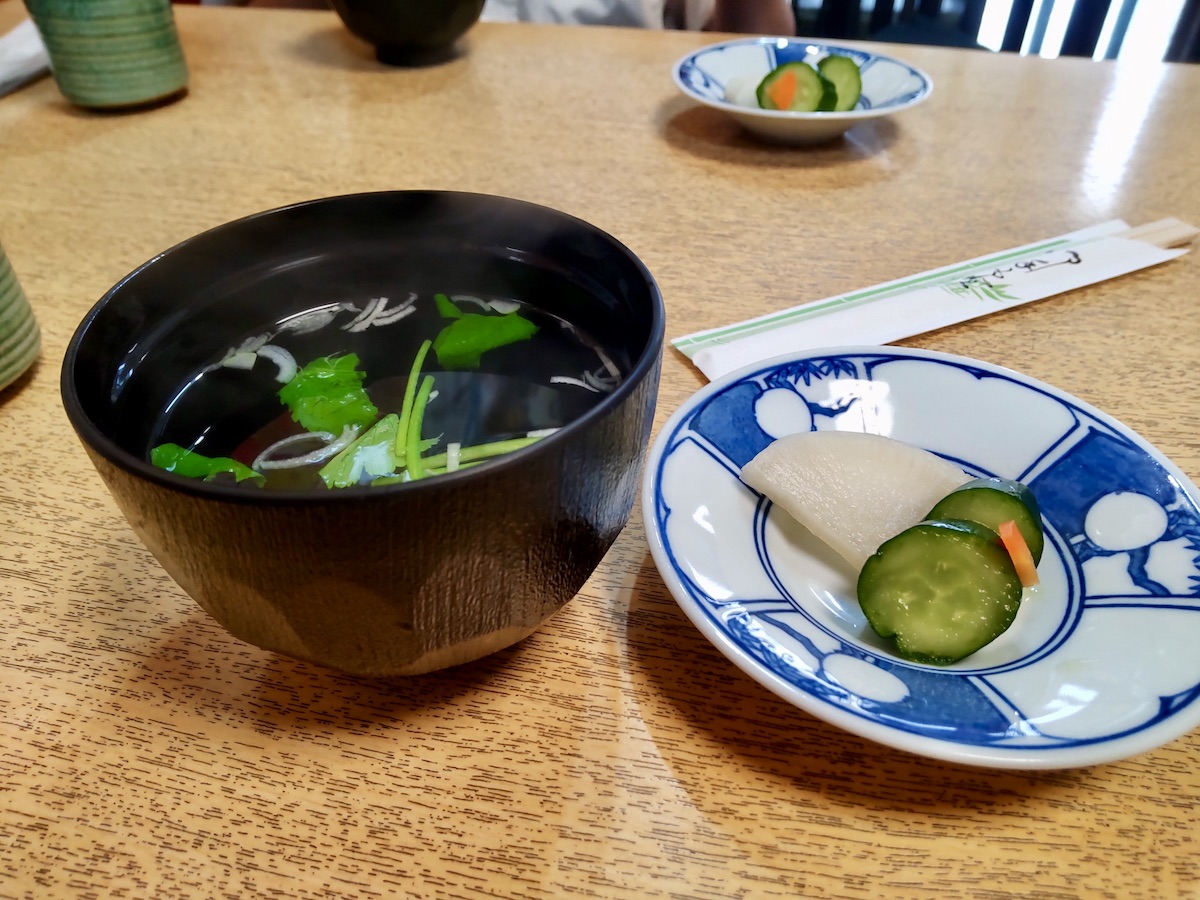
In Japan, we usually sprinkle a little Sansho (Japanese pepper) on eel according to our preference. While I forgot to use it this time, it usually serves to remove any fishy smell and change the flavor profile. Unlike chili peppers, Sansho has a unique aroma and creates a tingling sensation on the tongue. Interestingly, some modern chocolatiers even add this spice to their chocolates for a bold, innovative twist.
How to Choose Unagi
How to Choose an Unagi Restaurant:
- An unagi specialty restaurant: Even at a Japanese restaurant, if they serve many dishes other than eel, they might lack that deep expertise. For the best experience, I highly recommend going to a restaurant that specializes specifically in unagi.
- Uses domestically sourced eel: Since Unagi Kabayaki is a traditional Japanese dish, I highly recommend choosing eel raised in Japan if you want to enjoy high-quality cuisine with peace of mind.
- Charcoal-grilled: As you might expect, there’s a truly exceptional aroma when a skilled expert grills the eel over charcoal, carefully adjusting the heat to perfection.
- Grilled on-site: I recommend choosing a restaurant where you can clearly see the cooking in action from the storefront. When you see smoke billowing out or catch a glimpse of the charcoal grill from the outside, it shows a level of transparency you can truly trust.
Conclusion
Exploring Japanese home-cooked meals offers a wonderful blend of comfort, tradition, and seasonal flavors. From warming hot pots and balanced bento boxes to festive strawberry cakes and expertly grilled eel, there’s something for every mood and occasion.
By trying these dishes at home or seeking out specialty restaurants, you can enjoy the authentic tastes of Japan without needing a long trip. Each meal provides not only delicious flavors but also a glimpse into Japanese culinary culture, making everyday dining feel both special and satisfying.
Whether you’re a seasoned home cook or just starting to explore Japanese cuisine, these meals are a delightful way to experience the harmony of taste, presentation, and seasonal ingredients.
Recommended For:
• Home cooks looking for simple yet authentic Japanese recipes
• Food enthusiasts who enjoy seasonal flavors and traditional dishes
• Families wanting comforting, balanced meals like hot pot or bento lunches
• Travelers seeking tips on enjoying Japanese cuisine, from desserts to high-quality eel
Discover more popular Japanese dining experiences below:
3 Must-Try Restaurant Chains in Japan: How to Order and What to Eat